
Last updated November 16, 2026
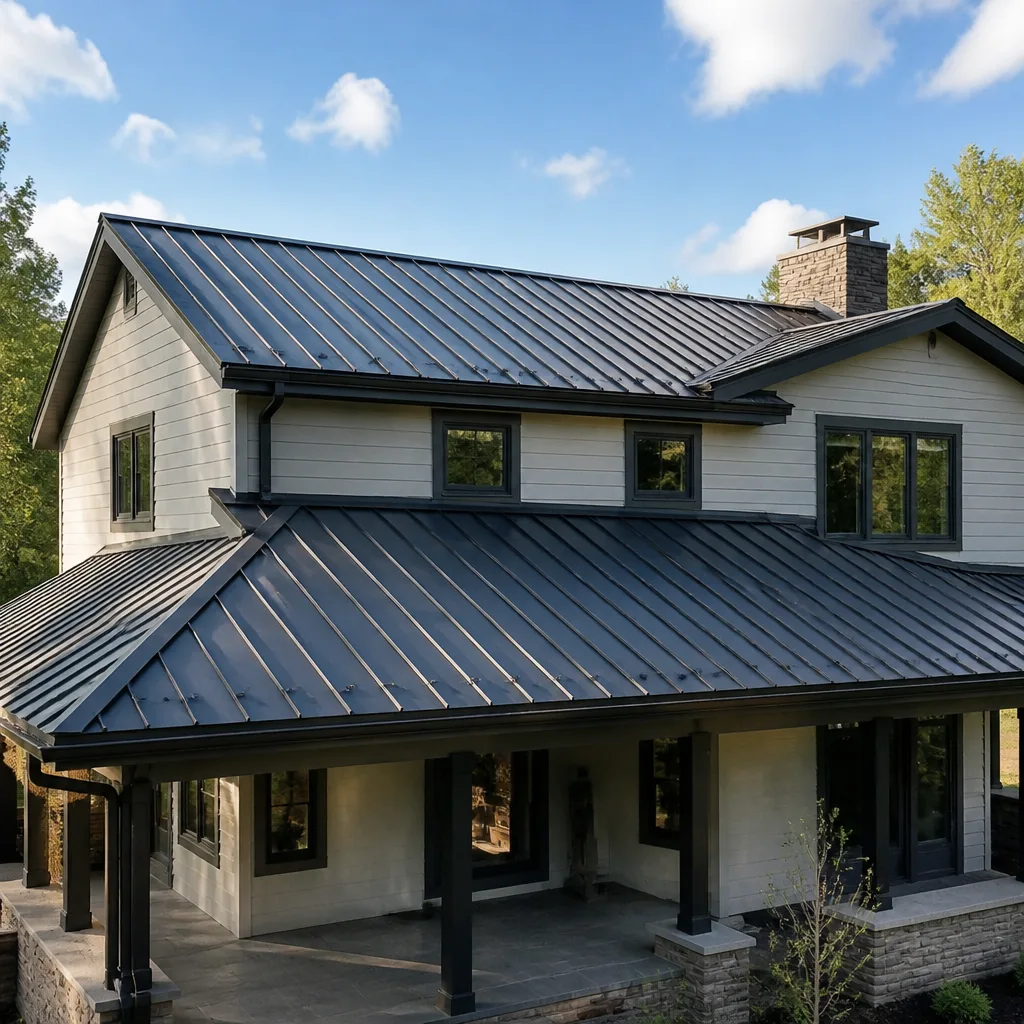 Metal roofing
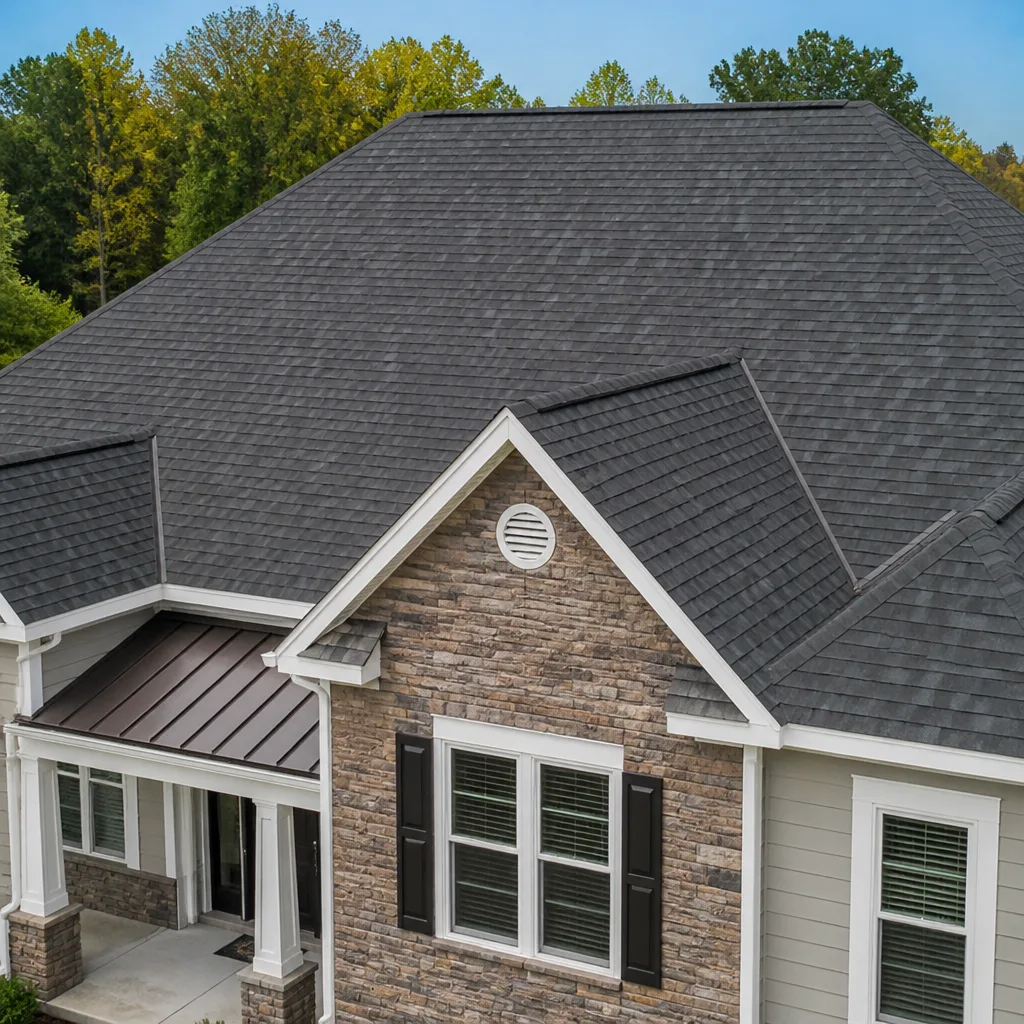 Architectural shingles
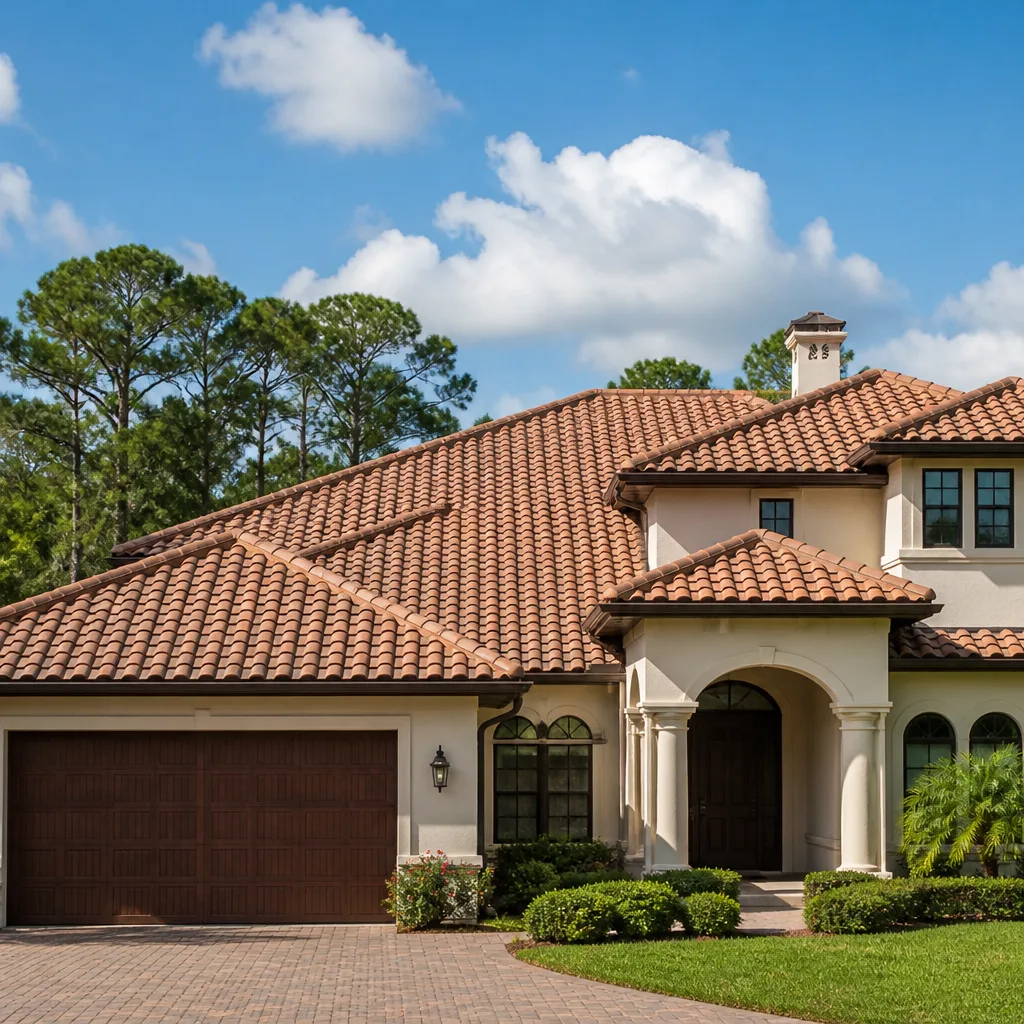 Tile roofing
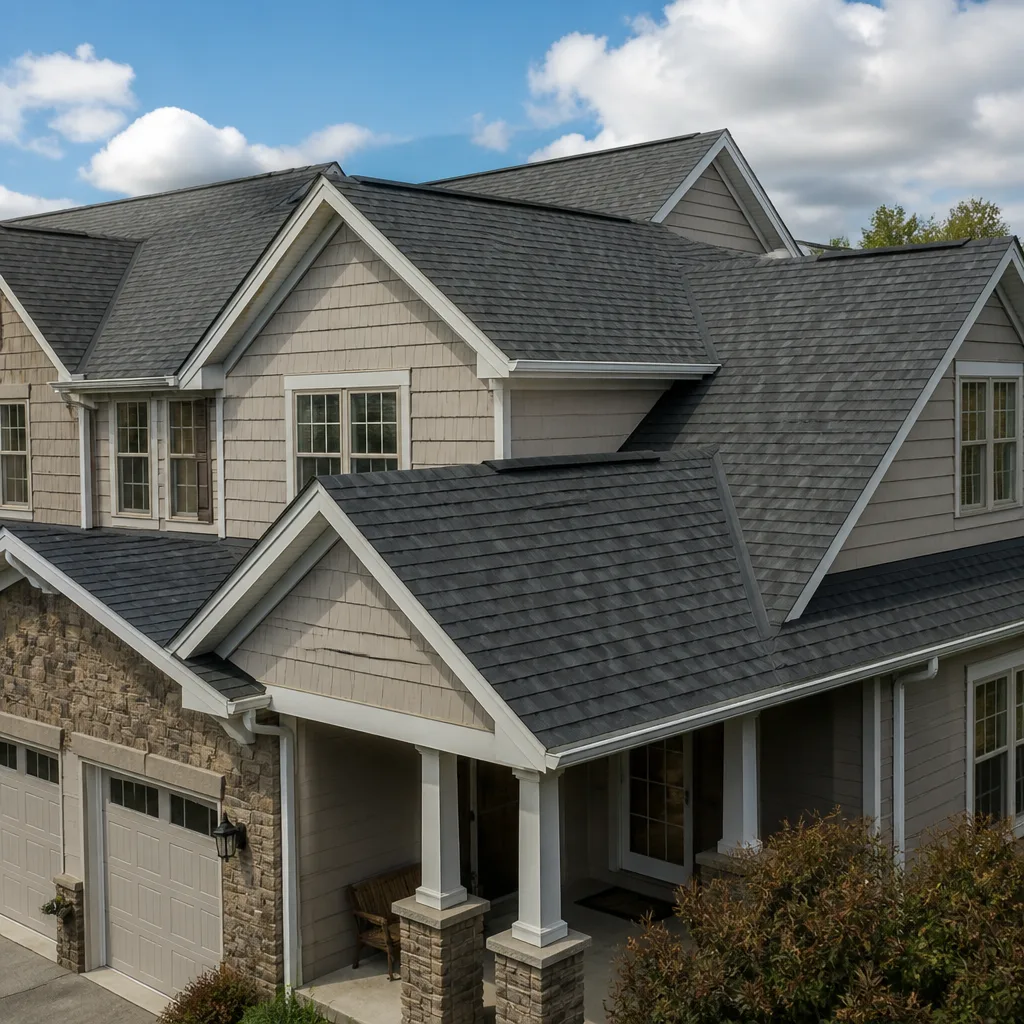 GAF
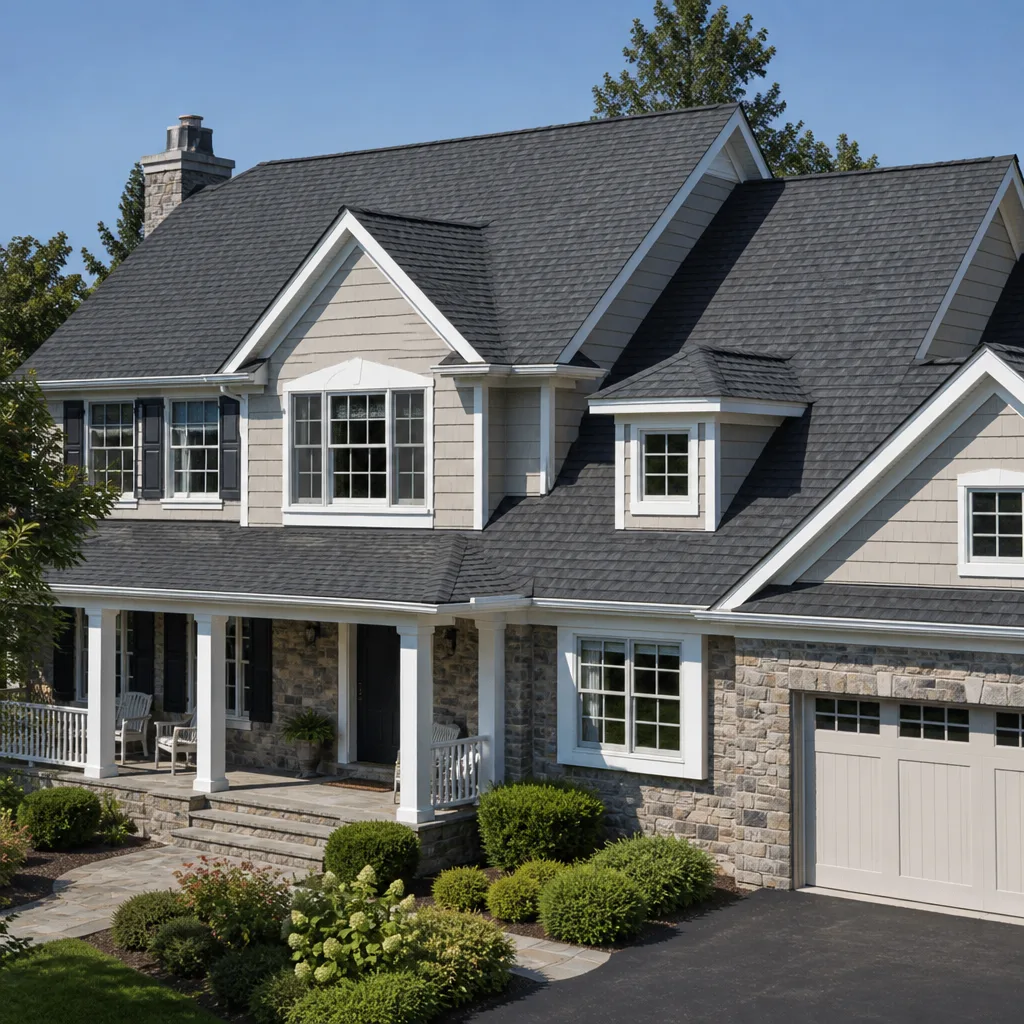 Owens Corning
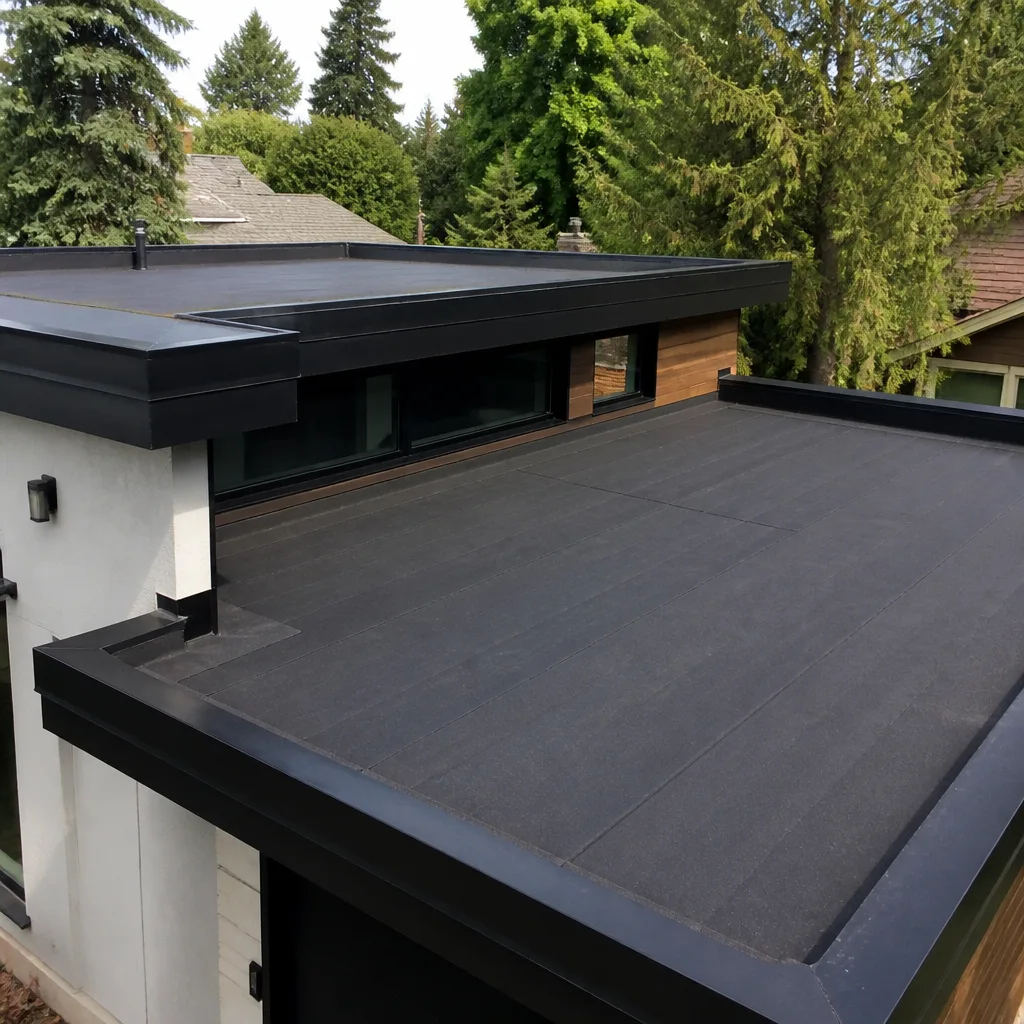 Flat & low-slope
Free roof inspection with deck photos before we talk money - GAF and Owens Corning certified installation
Choosing the Right Roofing Brand: A Buyer’s Guide for Whitney
A shingle rated for 130-mph winds is irrelevant in Whitney if its UV resistance is mediocre. That sounds backwards, because wind ratings are the number every manufacturer puts in bold on the brochure. But Whitney sits in a desert-heat environment where the sun does more damage to a roof than wind almost every year, and the specs that actually protect your home are buried in the technical data sheet, not the sales flyer. Most homeowners don’t know those specs exist, so they accept whatever brand the contractor recommends. This guide changes that. You’ll learn which performance attributes matter here, how “lifetime” warranties really differ, why installer certification decides whether a warranty is worth anything, and how to compare samples like a professional.
Quick Answer
There is no single best roofing brand for Whitney. The right brand is the one whose technical specs match your home’s exposure: high UV and thermal cycling call for strong granule adhesion, algae resistance, and heat-tolerant asphalt, and the manufacturer’s warranty must be one the installing contractor is certified to register. Working across several brands lets your home’s needs drive the choice instead of a contractor’s single-supplier deal.
Styles & brands we work with
- Architectural shingles
- Metal roofing
- Tile roofing
- GAF
- Owens Corning
- Flat & low-slope
Table of Contents
- Which specs actually matter in Whitney’s heat
- What “lifetime” means across the major brands
- Brand tier, contractor certification, and warranty validity
- How to compare material samples beyond color
- Why multi-brand access matters for your home
- Seven questions to ask before committing
- Common mistakes to avoid
- When to call a professional
Which specs actually matter in Whitney’s heat
In most of the country the wind rating sells the shingle. In Whitney, heat and sunlight are the slow, constant pressure on a roof. Summer after summer of intense UV and daily temperature swings wear shingles down in ways a wind uplift rating tells you nothing about. Here’s what to look for on the data sheet.
Algae resistance. Algae streaking (those dark bands running down a new roof) is a cosmetic problem driven by moisture and heat, and desert roofs are not immune. Many manufacturers build copper-infused granules into their algae-resistant lines to fight it. It’s a warranty-backed feature you can compare directly from brand to brand. Ask whether the color you’re considering is available in the algae-resistant version.
Granule adhesion. The mineral granules are the shingle’s sunscreen; the asphalt underneath is what cracks when the granules wear or shed. High-heat climates punish shingles with weak granule adhesion, and once the asphalt is exposed, thermal damage accelerates. On a sample, granules should feel firmly bonded, not loose or brushed off easily.
Thermal cracking resistance. Repeated expansion and contraction is harder on a roof in Whitney than in a mild climate. Different asphalt blends and mat constructions handle that cycling differently. This is where manufacturer data sheets separate the mid-tier products from the entry-level ones within the same brand.
Color and heat. Lighter shingle colors reflect more sunlight and stay cooler than dark ones. That matters for attic heat and for the shingle’s own lifespan. If you love a dark charcoal, that’s fine, but know you’re making a trade-off, not getting a free lunch.
None of these specs appear on a sales brochure. All of them appear, or should appear, on the manufacturer’s published technical data. When you look at options through Roofing Whitney, you’re comparing those sheets, not marketing copy.
What “lifetime” means across the major brands
Every major manufacturer offers a shingle line with a “lifetime” warranty, and every one of those words is doing heavy lifting. “Lifetime” almost never means the roof will last as long as you live in the house. It usually means the warranty runs for as long as you own the home, then drops to a fixed period for subsequent owners. Read the definitions, not the headline.
Here’s how to decode the terminology so you can compare GAF, CertainTeed, Tamko, and the others on equal footing:
- Get the written warranty document for the specific product line and color, not the brand’s flagship system. Warranty terms vary by product tier within the same brand.
- Find the “lifetime” definition. Note whether it ends at the sale of the home or transfers to the next owner, and for how long.
- Separate materials coverage from labor coverage. Many warranties cover defective materials only; the labor to tear off and reinstall may be your cost. Some premium systems include labor coverage, so confirm which one you’re being sold.
- Check the tear-off allowance. If a warranty replacement comes with a per-square allowance for removing the old roof, note the amount and compare across brands.
- Confirm the installation requirements. A warranty can be voided by installation that deviates from the manufacturer’s published instructions. Whoever installs the roof needs to follow those directions exactly.
- Ask what registers the warranty. Some brands require contractor registration within a set window after install. Miss it and you may lose coverage you paid for.
This is one place brand choice genuinely changes outcomes, and it’s the reason a brand-agnostic conversation is worth having. One manufacturer’s mid-tier warranty may beat another’s premium line on labor coverage, and you’ll only know by reading both.
Brand tier, contractor certification, and warranty validity
Here’s the part most homeowners miss: a premium warranty is only as good as the contractor’s certification. Several major manufacturers run tiered certification programs, and the top warranty products are often available only through contractors who’ve reached a certain tier. Choose a contractor who isn’t certified for the brand you want, and your “premium” warranty may simply not exist.
That creates a quiet conflict of interest. A contractor locked into one brand is naturally going to recommend that brand, because it’s the one they’re certified to register for the best coverage. It doesn’t make them dishonest. It makes them predictable. When you have access to a contractor who works across a range of manufacturers, the recommendation can follow the roof instead of the supplier relationship.
Before you commit, ask three things:
- “Which tier are you certified at with this brand?” The answer should map to the warranty you’re being quoted.
- “Can you show me the warranty available at your certification tier?” If the promised terms require a higher tier than the installer holds, ask how that’s handled.
- “If I preferred a different brand, could you still install and register it properly?” A “no” tells you the recommendation is supplier-driven.
Certification also touches quality control: certified installers generally have access to the manufacturer’s technical guidance and are held to its installation standards. For the full picture of how a job moves from inspection to install, our roof repair page walks through what a project looks like when a brand is matched to the roof’s real needs.
How to compare material samples beyond color
Homeowners order samples, hold three shingles against the house, and pick the one that looks right in morning light. That’s the last decision, not the first. A sample carries a lot of information you can read before installation, and it’s information most people never look at.
Here’s what to check when a set of shingles is in your hands:
- Granule adhesion. Rub the surface with your thumb pad. Loose granules brushing off easily can signal weak adhesion or a manufacturing issue. A well-made cap sheet holds its granules firmly.
- Weight and thickness. Heavier shingles generally mean more asphalt and a longer service life, though design can offset the difference. If two samples feel dramatically different, the data sheets will confirm why.
- Edge quality. Examine the cut edges and the nailing strip. Clean, sharp edges and a well-defined strip suggest tighter manufacturing tolerances.
- The backing label. Confirmed specifications on the wrapper (wind rating, algae resistance, product tier) should match what you were told. If they don’t, ask.
- Color depth and blend. Look in real sunlight, not fluorescent light. Check how the blend reads on your own roof, not in the sample book.
- The data sheet. Ask for the manufacturer data sheet for the exact product and color. The specs you’ll compare across brands live there, and a contractor should hand it over without hesitation.
It’s worth asking for samples in a couple of product tiers within the same brand, too. The physical difference between a builder-grade shingle and a premium one is often obvious in the hand, and that helps you decide whether the upgrade is worth it for your home.
Why multi-brand access matters for your home
A single-brand contractor has one catalog. If that catalog doesn’t include a product that suits your roof, the roof has to bend to fit the menu. Multi-brand access flips that order. Seven leading brands, one focused roofer: the recommendation starts with your roof’s exposure, structure, and existing covering, then finds the product that matches.
Why does that matter in Whitney specifically? Because a home here isn’t a single generic roof. A long south- and west-facing slope gets a different solar load than a shaded north slope. A steeply pitched roof sheds differently than a low-slope section. One manufacturer’s product line may be strongest in heat performance, another in algae resistance, and a third in the premium warranty terms you want. The right answer can differ across your own roof, let alone between your house and your neighbor’s.
It also matters at the project stage. A roof that’s aging sees a different decision than a roof that’s being replaced outright, which is why we treat inspection, repair, and replacement as stages of one roof’s life rather than separate transactions. If you’re planning a full roof replacement, the brand conversation usually starts during the assessment, when you know what the existing roof needs and what the structure can carry. If your roof only needs targeted work, the brand question changes to matching a repair material that blends with what’s already up there.
That’s the practical value of working with a roofing-only specialist. It’s not about a wider catalog for its own sake. It’s that your Whitney home is compared against seven manufacturers’ data sheets instead of one contractor’s tie-in discount.
Seven questions to ask before committing
People tend to ask about price first. That’s fair. But the questions that decide whether you’ll be satisfied five years from now are the ones about specs, certification, and warranty mechanics. Ask these before you sign anything.
- “Which brand and product line are you recommending, and what’s the data sheet spec for algae resistance and granule adhesion?” This tells you if the recommendation is informed or default.
- “What warranty applies, and does it include labor or materials only?” Get the written document, not a verbal summary.
- “Are you certified to register this brand and this warranty tier?” The warranty depends on it.
- “How will this product perform in a desert-heat climate over a long term?” Ask for specifics on UV and thermal performance, not general reassurance.
- “What happens if the warranty claim is denied, and are you the one handling it?” You want a contractor who stands between you and the manufacturer when something goes wrong.
- “Can you show me two alternatives from other brands?” If the answer is no, the recommendation is supplier-driven, not roof-driven.
- “What does the written estimate cover, and will the price change after work starts?” A line-item written estimate with fixed pricing removes surprises later.
We answer these questions during a standalone inspection, which means you can get a professional assessment of your roof and a straight answer on brands without being pushed toward a repair or replacement you may not need. Knowing what your roof actually needs before spending a dollar is the whole point. If you’re in Whitney, our team works across those seven manufacturer lines, so the conversation is about your roof, not a single brand.
Common Mistakes to Avoid
- Choosing a brand by wind rating alone. In Whitney’s heat, UV and thermal performance matter more than a headline wind number. Ignoring the data sheet can leave you with a shingle poorly suited to this climate.
- Assuming “lifetime” means what it sounds like. The word varies across brands and often ends at the sale of the home. Read the warranty document itself before you buy the pitch.
- Skipping the certification question. A premium warranty isn’t valid without a certified installer who can register it. Uncertified installation can leave you holding a warranty you can’t use.
- Picking a sample by color and nothing else. Color is the last decision. Granule adhesion, thickness, and the data sheet come first, and they don’t show up on the brochure.
- Comparing three brands without comparing the data sheets. Two products in the same price tier can perform very differently in desert heat, and the sheets are where the difference lives.
- Letting one contractor’s catalog narrow the field. A single-brand contractor may only offer what they’re set up to install. In Whitney, that can limit your options more than you realize.
- Failing to ask what the written estimate covers. A quote without line items is not a quote. Ask for the written estimate, the product line, and the warranty terms in the same conversation.
See the difference
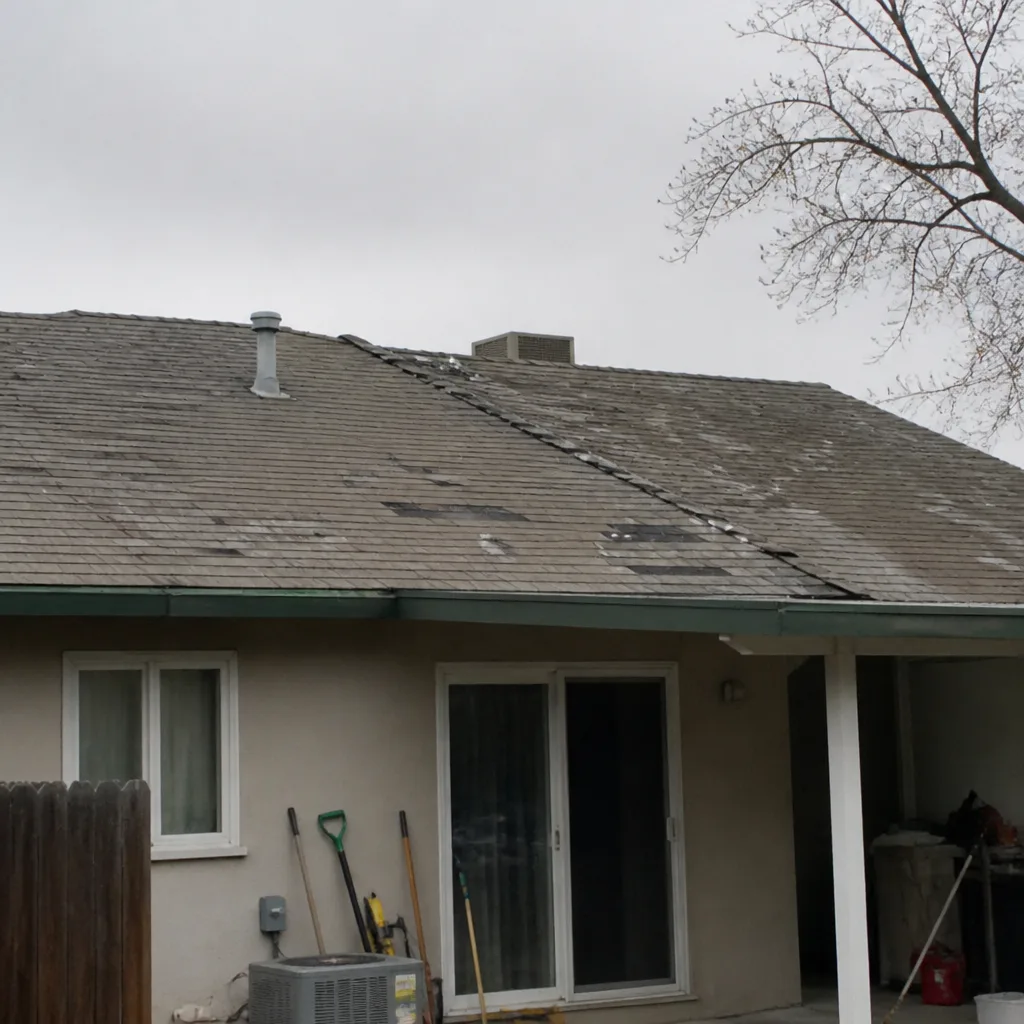 Before
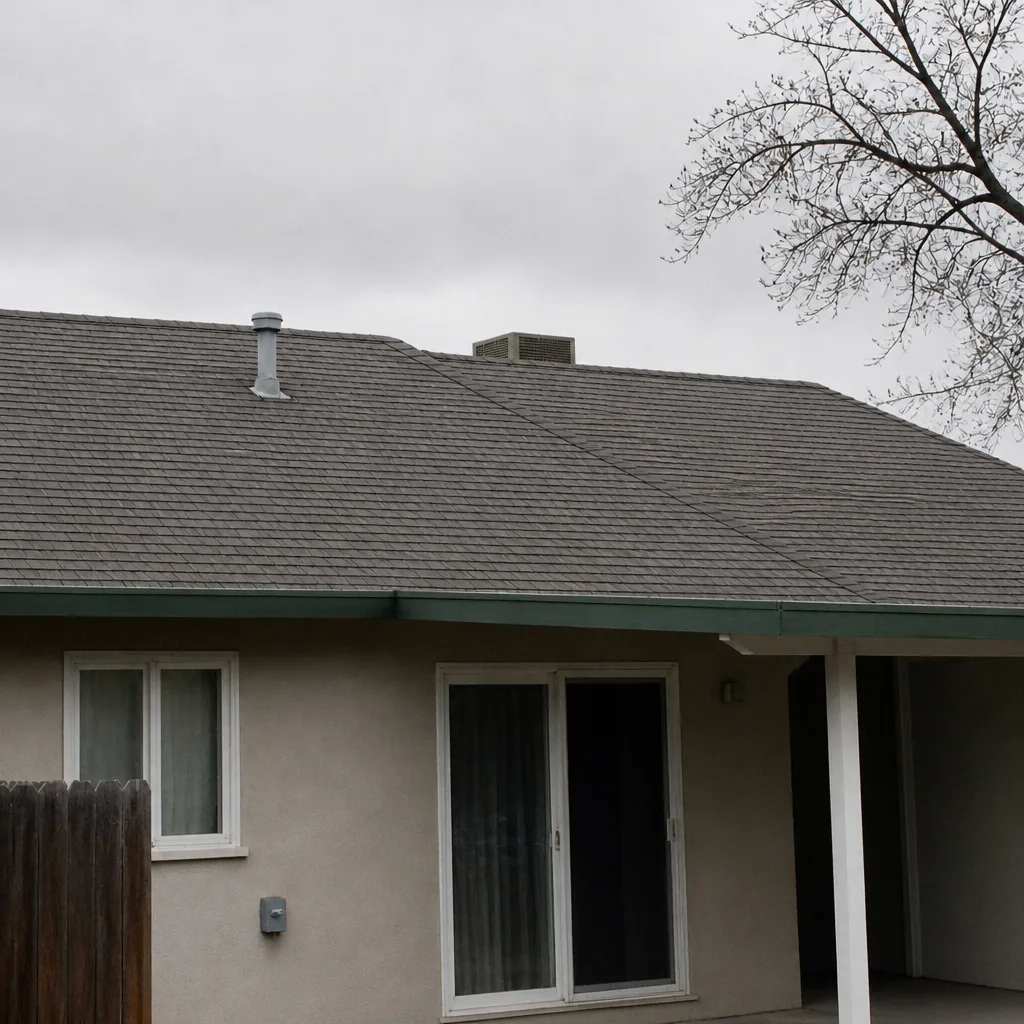 After
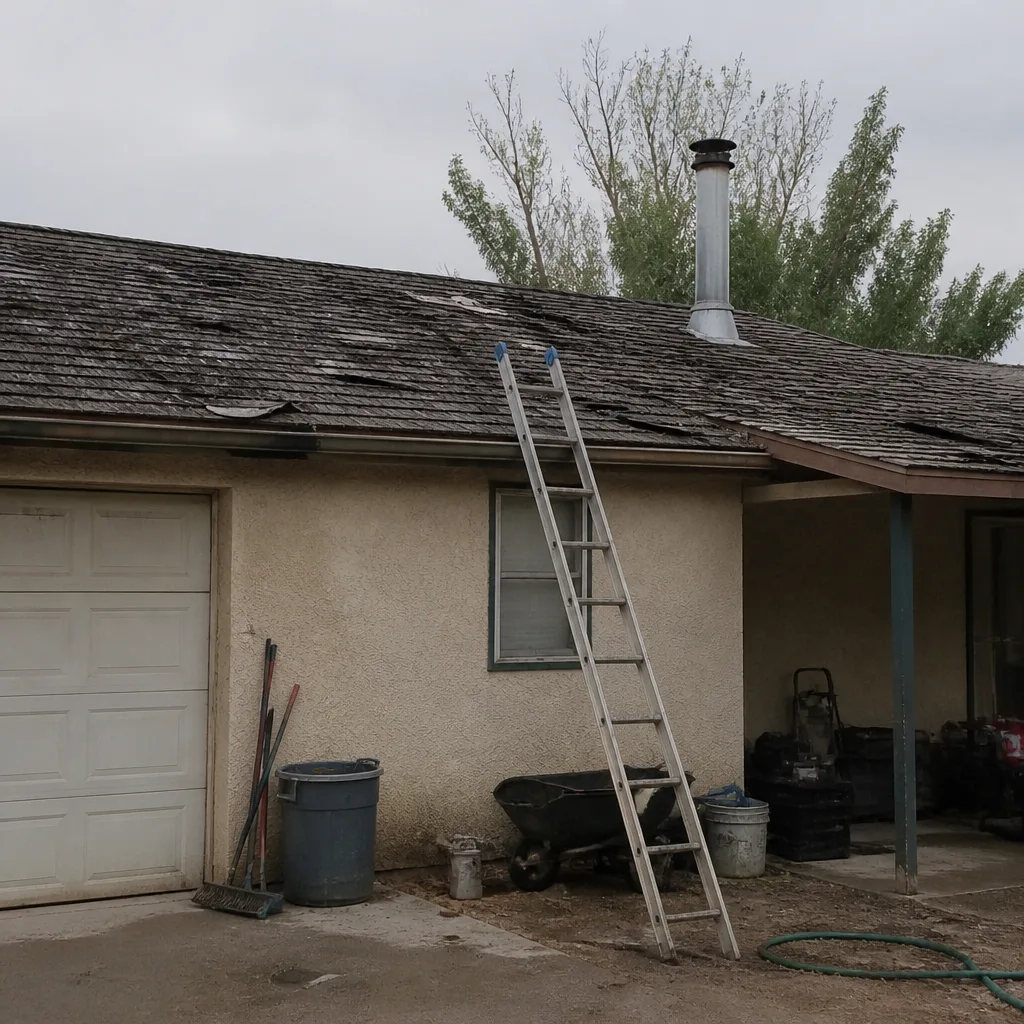 Before
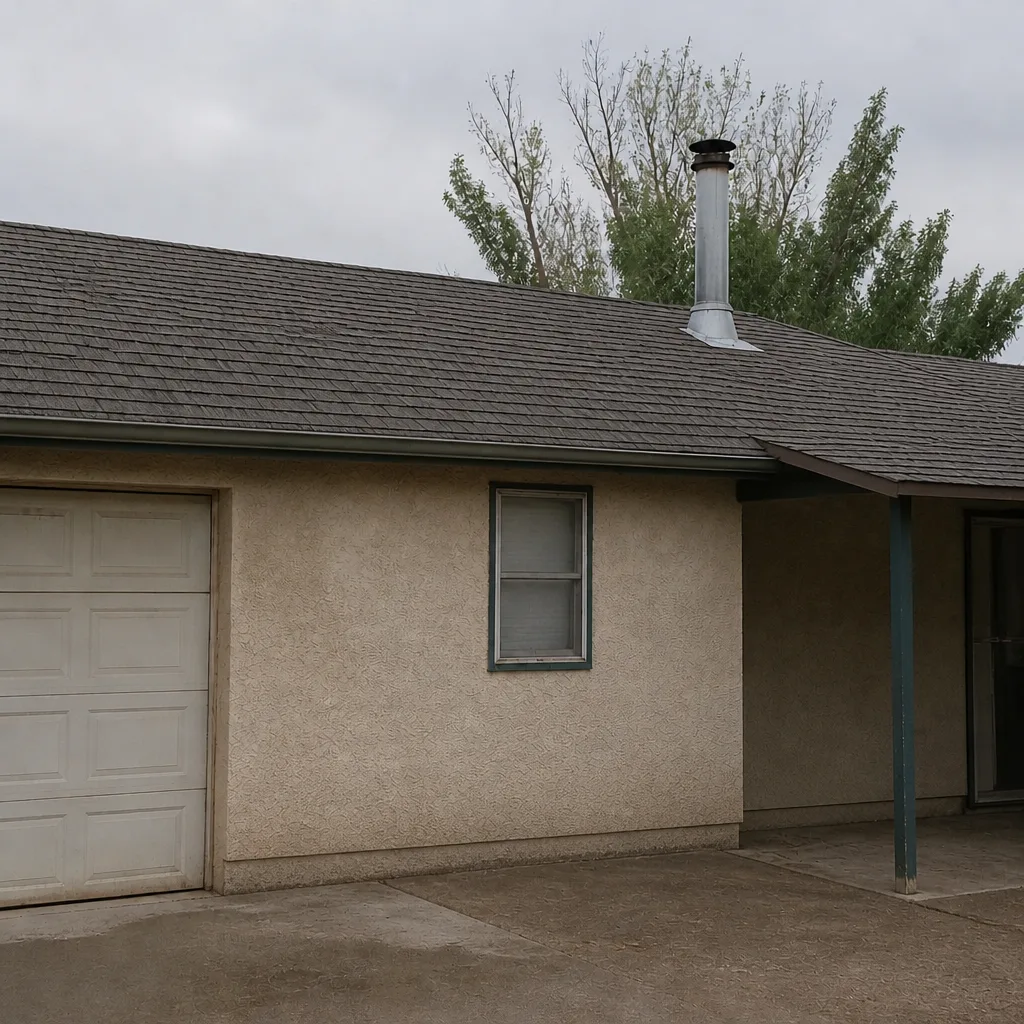 After
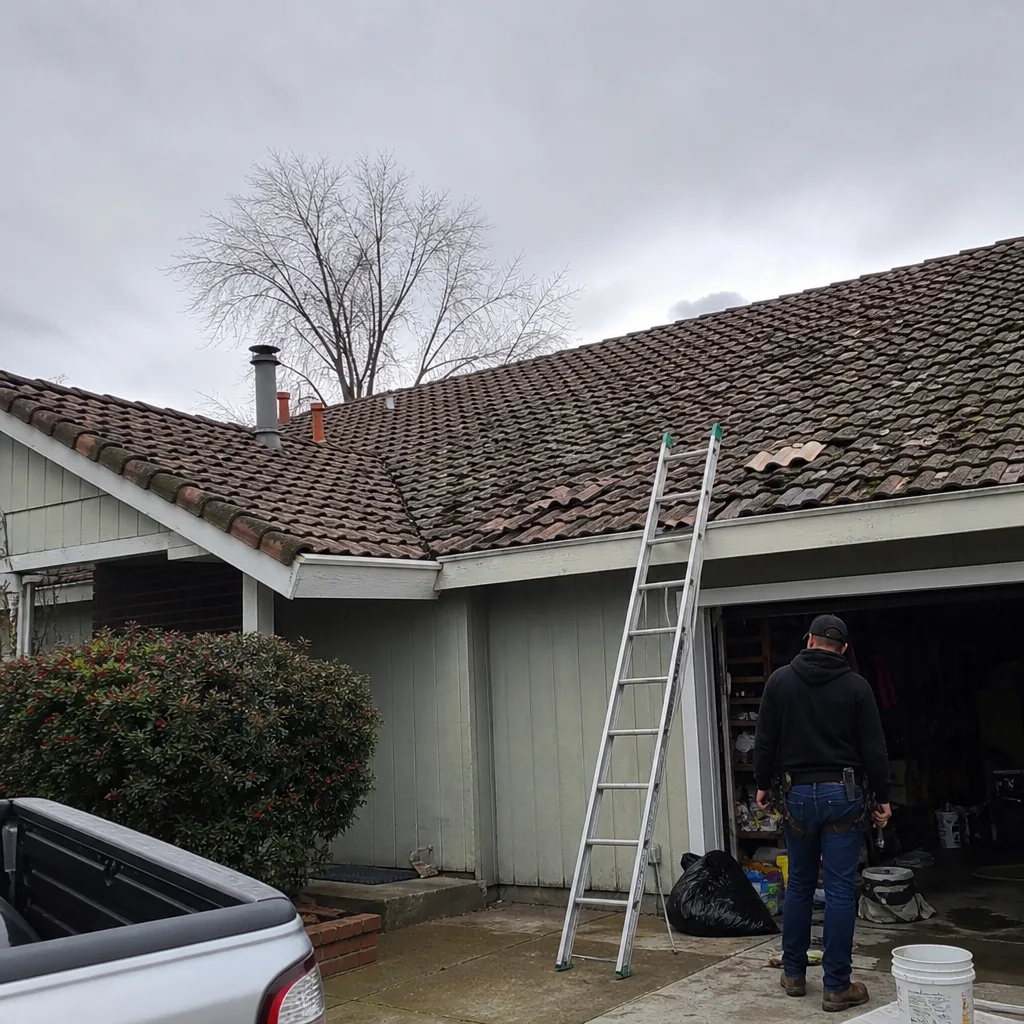 Before
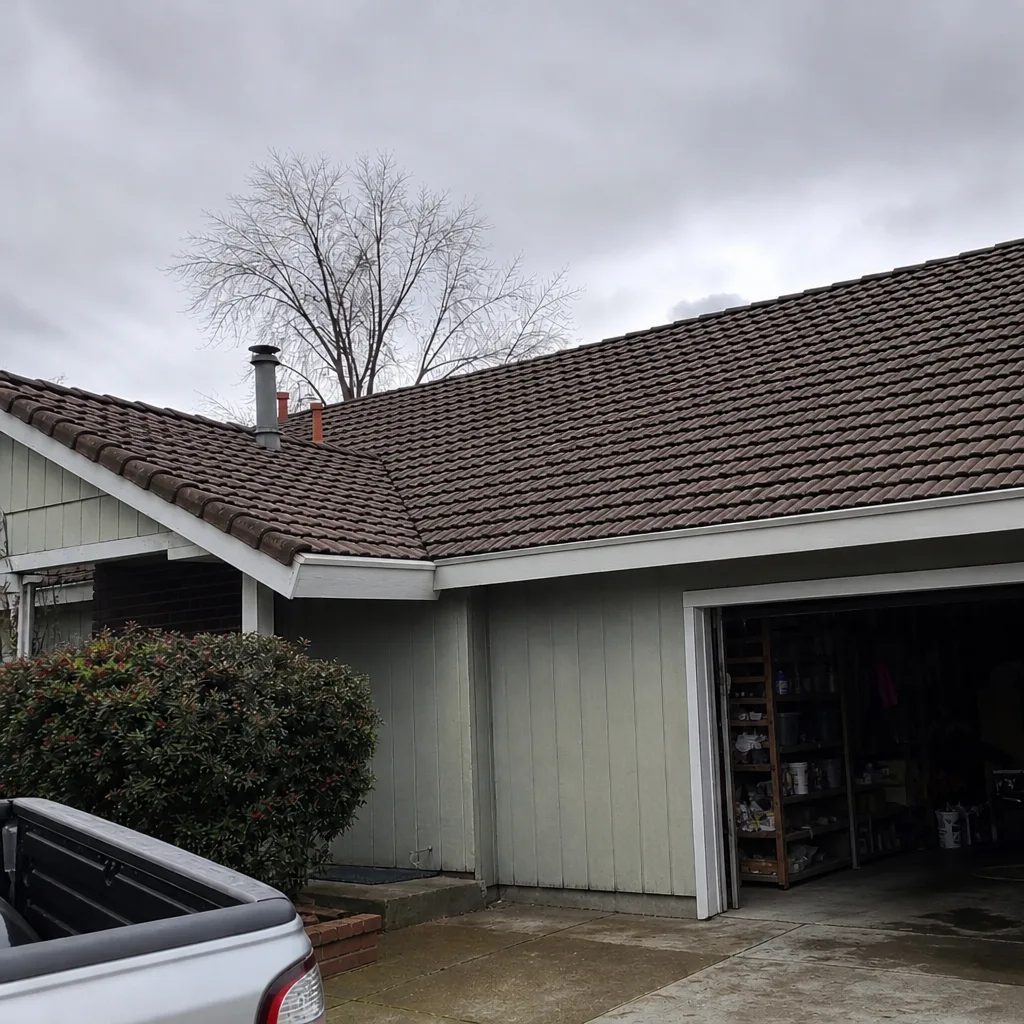 After
When to Call a Professional
Before any brand decision, you need to know what condition your roof is in. Call us when a shingle color catch is your main question (we’ll help you compare properly), when you see granules collecting at the base of downspouts, when dark streaking or cracked or curling shingles appear, or when your roof has reached the age where replacement is being discussed. Call us too if you’re planning a full roof replacement and want to compare brands against your home’s actual exposure before committing. If you’re wondering whether it’s repair or replacement, ask for an inspection first, without a repair or replacement sale attached. Our technicians have up to 9 years of experience. Roofing Whitney offers free estimates in Whitney. Call (844) 320-5203. We answer 24/7. Fast dispatch from 7am to 7pm, Sunday through Friday.
Frequently Asked Questions
No single brand wins. The best product is the one whose data sheet shows strong UV resistance, granule adhesion, and thermal-cracking performance, and matches your roof’s exposure. That’s why we compare across GAF, CertainTeed, Owens Corning, IKO, Atlas, Tamko, and Boral rather than steering you to one line. Call (844) 320-5203 for a brand comparison during an inspection.
Not necessarily, because “lifetime” usually means the warranty runs while you own the home, then drops to a fixed period for the next owner. It rarely means the shingles will last as long as you live in the house. Read the warranty document and confirm whether it covers labor or materials only before you decide. Call (844) 320-5203 to talk through what a given product line actually covers.
Yes, and the two go together. A premium warranty is often available only through a contractor certified at the right tier, so an uncertified install can leave you with weaker coverage than you were quoted. Certification and brand choice are the same conversation. Call (844) 320-5203 for a straight answer on what’s available for your roof.
Order samples and ask for the technical data sheet for each product and color, then compare algae resistance, granule adhesion, thickness, wind rating, and warranty terms side by side. Don’t compare sales brochures. Call (844) 320-5203 and we’ll walk you through the data sheets for your home.
Choose the contractor first, then the brand. The contractor’s certification level, installation standards, and access to multiple manufacturers determine whether the warranty you’re quoted is realistic and whether the recommendation reflects your roof or a supplier arrangement. Call (844) 320-5203 for a multi-brand conversation in Whitney.
Cost depends on the product line you choose, your roof’s size and pitch, and the scope of work; there’s no single number. We recommend getting a written, line-item estimate that names the product brand and the warranty, and it sets the final price. Call (844) 320-5203 for a free estimate. Our technicians have up to 9 years of experience.
The Bottom Line
Brand choice is a performance decision, not a logo decision. In Whitney’s heat, the shingle specs that matter most are algae resistance, granule adhesion, and thermal-cracking performance, and those live on the data sheet, not the brochure. “Lifetime” warranties vary brand to brand and depend on contractor certification, so the contractor’s access to multiple manufacturers matters as much as the badge. Compare samples by touch and sheet, not color alone, and ask the questions that separate an informed recommendation from a single-supplier default. Read our Whitney page for local context, and reach out before your next brand decision.
Call (844) 320-5203 for a free estimate. Whether you’re choosing a brand for the first time or want a second opinion on the one a contractor quoted, we’ll compare across seven major manufacturers and tell you what your roof actually needs. We answer 24/7. Fast dispatch from 7am to 7pm, Sunday through Friday.
Written by the team at Roofing Whitney.