
Last updated November 16, 2026
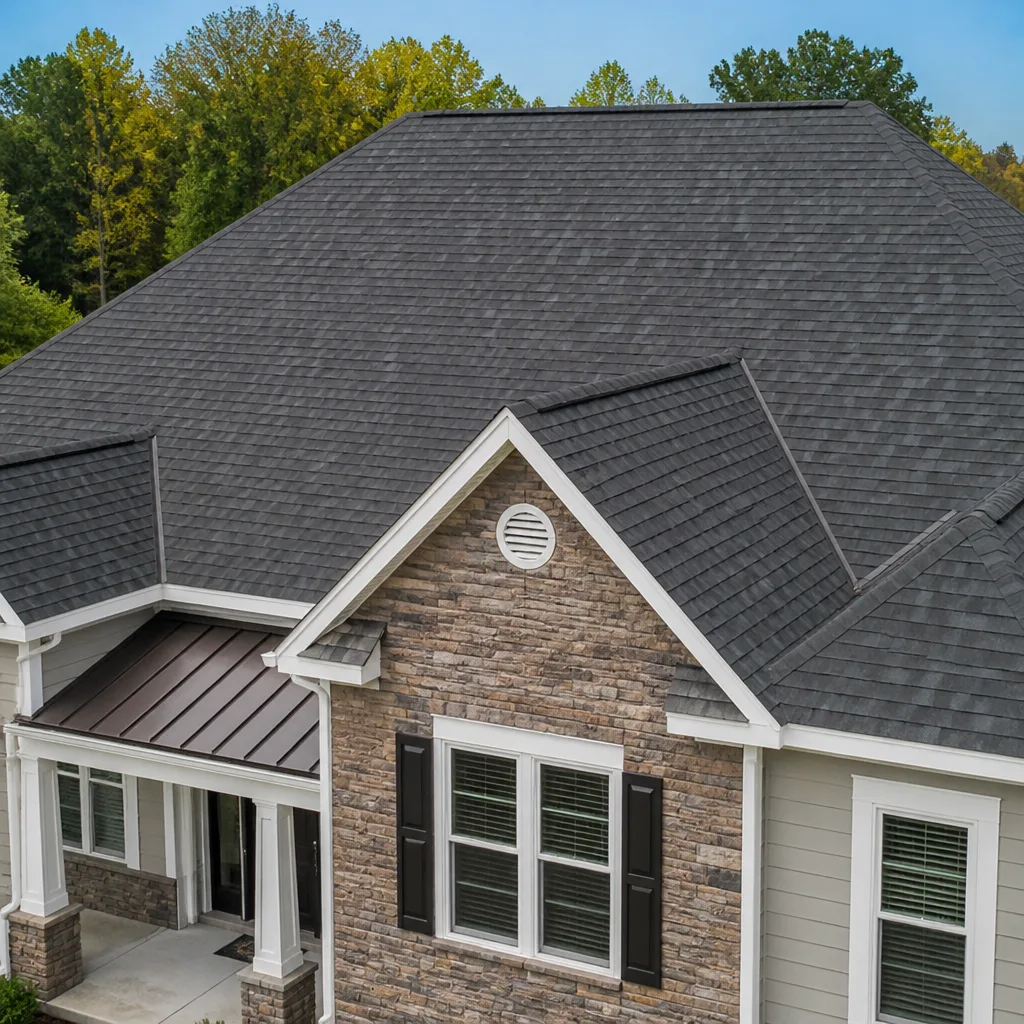 Architectural shingles
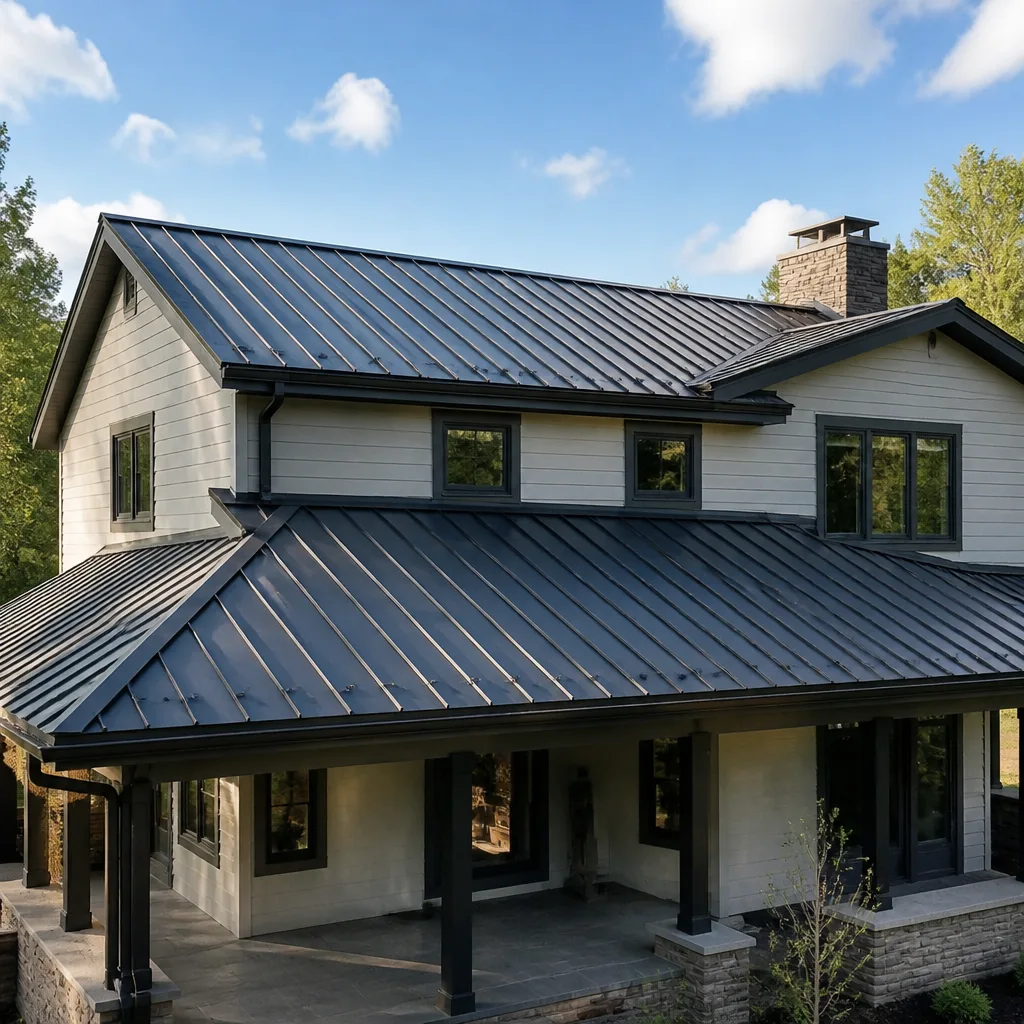 Metal roofing
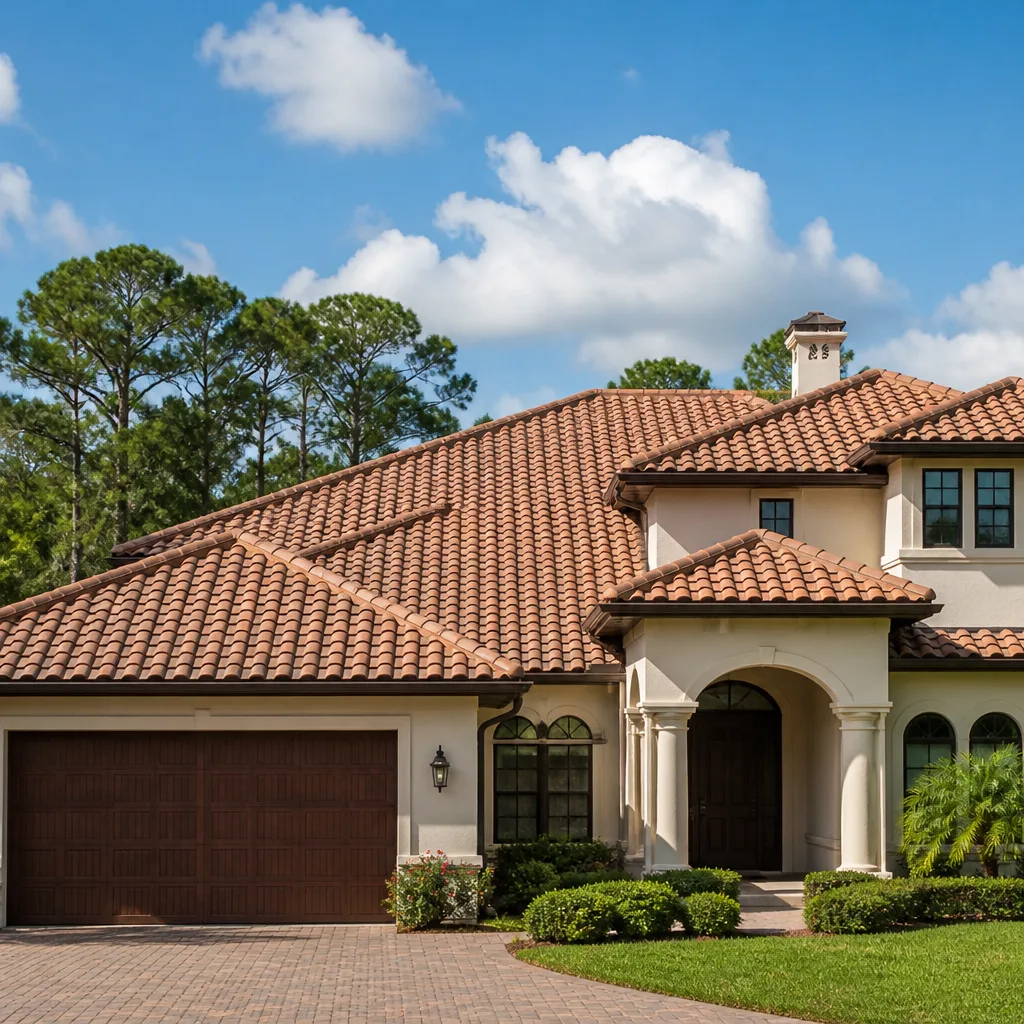 Tile roofing
 GAF
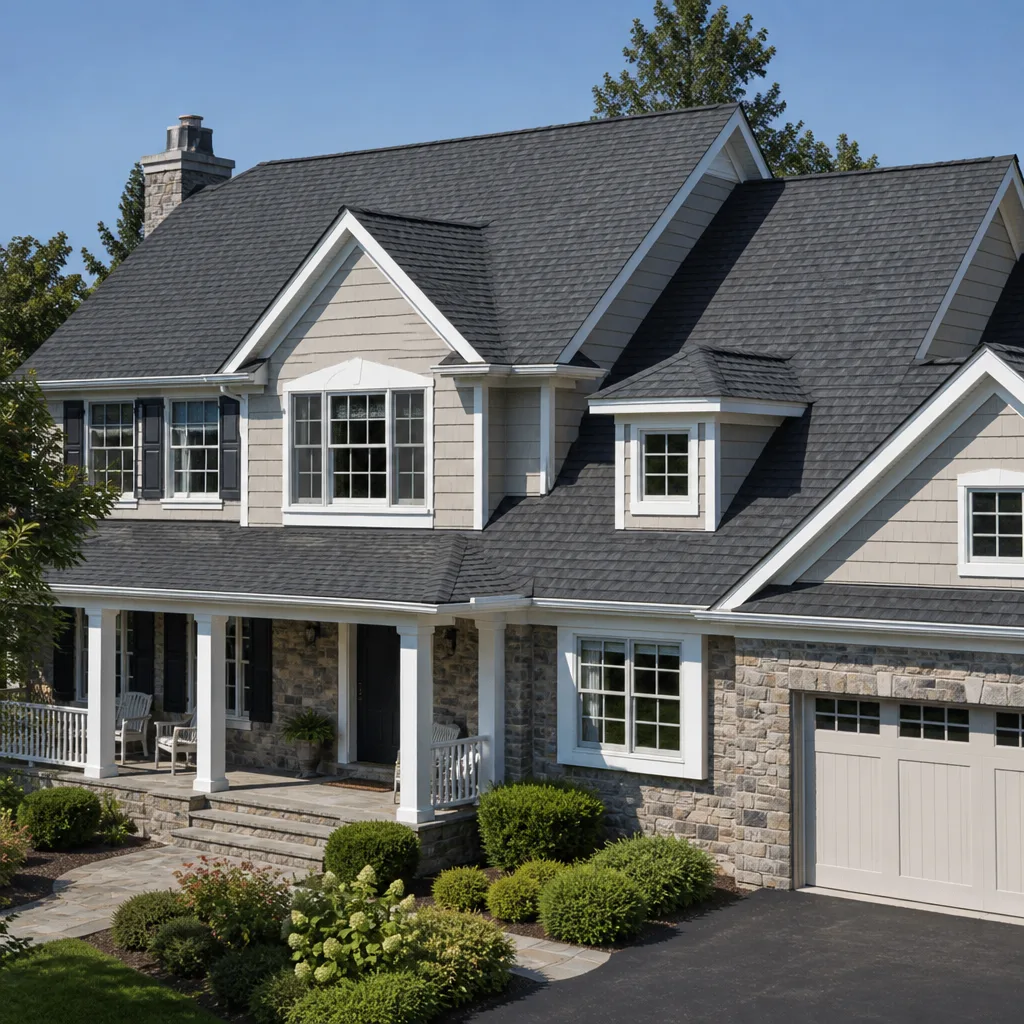 Owens Corning
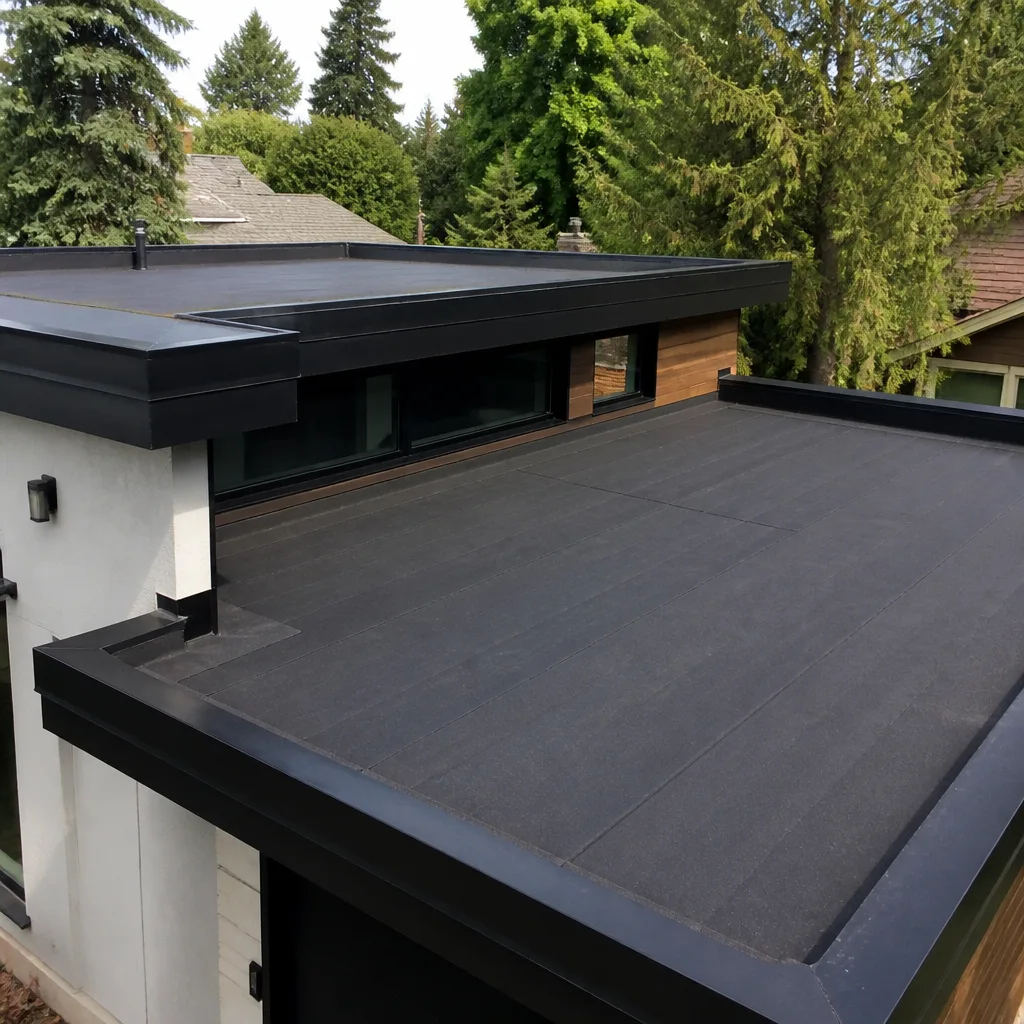 Flat & low-slope
Free roof inspection with deck photos before we talk money - GAF and Owens Corning certified installation
The Complete Roof Repair Guide for Whitney Homeowners
Your roof will fail from the sun long before it fails from rain. That’s the part most repair guides skip. Whitney averages more than 294 sunny days a year, and the ultraviolet load that comes with them breaks down shingles faster than the wetter, cloudier climates most roofing advice is written for. You can go a full year with almost no rain and still lose a measurable layer of granules off your shingles. This guide explains how roofs actually age here, how to tell a repair worth making from one that just postpones the inevitable, and how to document the work so it pays off later.
Quick Answer
Roof repair in Whitney has to be judged on sun and thermal cycling, not just storm damage. Most failures start with UV-driven granule loss and the daily expansion-contraction of decking and shingles, then show up as cracked shingles, exposed fasteners, or water reaching the underlayment. A repair extends your roof’s life only when the decking and underlayment underneath are still sound. If they aren’t, repairing the visible damage just means paying twice.
Styles & brands we work with
- Architectural shingles
- Metal roofing
- Tile roofing
- GAF
- Owens Corning
- Flat & low-slope
Table of Contents
- Why UV, Not Rain, Ages Roofs in Whitney
- Thermal Cycling and Freeze-Thaw in the High Desert
- Repair or Replace? A Framework
- Shingle Types and What Each Needs
- The Correct Repair Sequence
- Documenting Repairs for Warranty and Resale
- Why an Inspection Comes First
Why UV, Not Rain, Ages Roofs in Whitney
Asphalt shingles are built to shield the layers under them, and their first line of defense is the mineral granule surface. Those granules block ultraviolet radiation from reaching the asphalt. As UV exposure wears the granules down, the asphalt underneath starts to oxidize and dry out. It loses flexibility, then it cracks.
In a wetter climate, this happens slowly because cloud cover and moisture temper the sun. In Whitney, the sun gets a long, unobstructed run at your roof almost every day of the year. Granule loss doesn’t always look dramatic from the ground. What you’ll notice first is a rougher texture, lighter patches, or a few granules washing down into the landscaping after a rare rain.
- Granule loss exposes asphalt and speeds up the whole aging curve.
- Sun-facing slopes typically age faster than the shaded side, so a south or west roof can look years older than the rest of the home.
- Dry heat makes shingles brittle, so they crack instead of flexing when something presses on them.
- Readiness matters when walking a roof for any reason. If shingles are brittle, even routine foot traffic can crack them. That’s a job for a trained professional.
This is why “my roof isn’t leaking” is not the same as “my roof is fine” in Whitney. A roof can shed water perfectly and still be well into decline from UV damage. That is also how a small, controlled repair can add years to the front end of the curve, before the whole surface is compromised.
Thermal Cycling and Freeze-Thaw in the High Desert
The desert catches homeowners off guard in winter, and the fast temperature swing is the reason. Whitney sees big day-to-night temperature swings and cold snaps that push temperatures below freezing. Roofing materials expand in the daytime sun and contract at night. Over and over.
That cycling does a few specific things to a roof:
- Fasteners back out. Nails and screws rise slightly with each cycle. Once exposed, they become small entry points for water.
- Sealant strips fail. The adhesive that seals each shingle to the one below it cracks and gives way, which leaves the shingle surface open to wind lift.
- Flashing and caulking dry out. Roofs here lean heavily on caulk and sealant around penetrations. Heat and dry air dry out those materials, and small gaps appear.
- Freeze-thaw gets into water. Any moisture that reaches a small crack expands when it freezes. That roughs up the edges of shingles and flashing and makes small openings larger.
The trap is that these failures don’t announce themselves. Wind-driven rain or a sudden rainstorm is often the first time water finds an opening that formed during a dry, sunny month. Fiberglass and asphalt-based materials tolerate a lot, but they don’t shrug off a daily expand-contract cycle the way a roof in a mild coastal climate might. If you see loose or lifted shingles after a cold snap, treat it as a thermal-cycling issue and have it looked at before the next rain pushes water under the surface.
Repair or Replace? A Framework
This is the question homeowners ask most, and there’s no useful blanket answer. The right call depends on the roof as a whole, not on the one spot you noticed. Here’s the decision framework we walk through on every Whitney inspection:
- How old is the roof, and how far along is the granule loss? A young roof with one isolated problem is usually a strong repair candidate. A roof already shedding granules across most of its surface is showing its age everywhere, not just at the leak.
- How many separate problem areas exist? One damaged section is often a targeted fix. Several scattered problems on the same slope usually point to a roof whose service life is close to done.
- What’s underneath the visible damage? Peeling back shingles to check the decking and underlayment is the only way to know if the repair has a solid foundation. Soft, rotted decking changes the whole equation.
- Is the damage concentrated or spread out? Damage isolated to a valley, a chimney, or an area around a vent often comes from a specific cause you can fix. Damage that’s everywhere means the roof reached the end of its lifespan, and no single repair will hold.
- What are you hoping to get? If the goal is to move in a few years or handle a specific leak, a repair can make sense. If the goal is to stop thinking about the roof for the next couple of decades, a repair on a worn-out roof usually doesn’t get you there.
That’s the honest test. When the decking and underlayment are sound and the problem is localized, a repair genuinely extends your roof’s useful life. When they aren’t, a patch buys a season or two at best. We tell people that plainly and let the roof decide. If a repair holds up, you’ve put off a replacement on real value. If it doesn’t, the sooner you know, the sooner you can plan the work on your terms instead of after a leak finds its way inside.
Shingle Types and What Each Needs
Whitney homes carry a mix of shingle types, and the repair method changes with the material. Knowing what’s on your roof tells you a lot about how it ages.
3-tab shingles
The classic flat, single-layer profile. They’re the thinnest and the most affordable, and they typically show UV wear first because there’s less material to give. When 3-tabs break down, the shingle itself loses integrity and needs replacement. Individual tabs can be swapped if the damage is isolated, but they must be matched to the existing shingles or the repair will stand out and weather differently.
Architectural (dimensional) shingles
The popular choice for their layered look and heavier mats. That extra material gives them more UV resistance and better wind performance than 3-tabs. Repairs on architectural shingles are common at flashing and penetration points, where the shingles themselves hold up and the sealants and flashing around them don’t. Matching the profile and color matters just as much as the brand here, which is why having access to several product lines helps. We work with GAF, CertainTeed, Owens Corning, and other manufacturers as needed so the replacement shingles match your existing roof instead of forcing a compromise.
Impact-resistant shingles
These are built with a heavier or specially reinforced mat to resist impact and marring. They cost more upfront, but they hold up well against the kind of flying debris storms bring through the desert. The one thing to remember: a repair has to use impact-rated material in the repaired area. Patching an impact-resistant roof with standard shingles undercuts the performance of the roof as a whole.
- 3-tab: thinnest, most UV-sensitive, most common on older Whitney roofs.
- Architectural: heavier, better UV and wind performance, repairs concentrated at flashing and penetration points.
- Impact-resistant: reinforced for debris and impact, so repairs must use matching rated material.
Whatever is on your roof, the rule is the same: match the material, and make sure what you can’t see underneath is sound. That’s where the roof is actually doing its job.
The Correct Repair Sequence
Most failed repairs fail the same way. Somebody replaced the torn shingles and stopped there. The visible damage got fixed, but the layer underneath that was letting water in never got addressed, so the leak came back.
Here’s the order a repair should follow:
- Inspect before touching anything. A professional assessment tells you where the water is actually coming from, which often isn’t directly above the stain inside the house.
- Remove the damaged shingles. Take off enough to see the full extent of the problem, not just the broken edge.
- Check the decking. Press on the roof deck. Any soft, spongy, or rotted areas get replaced, not covered up.
- Check the underlayment. The waterproof layer under the shingles is what keeps water off the deck. If it’s torn or worn, the repair needs to include a new section of it.
- Fix the source, not just the symptom. Flashing, vents, and penetrations get resealed, and anything that caused the damage gets addressed.
- Install matching materials. New shingles matched to the existing roof, sealed correctly so they weather in line with what’s around them.
- Document the work. Take photos of every stage so you have a record of the decking and underlayment you can’t see anymore once it’s covered back up.
Step 3 and step 4 are the ones people skip, and the reason a patch that looked fine in July leaks again after the next rain. A repair is only as good as the surface it’s laid on top of. Skipping those checks doesn’t save you; it just reschedules the problem.
Documenting Repairs for Warranty and Resale
The paperwork matters as much as the repair. A roof’s history helps you get warranty coverage when something needs attention, and it helps you when a buyer’s inspector climbs up during a sale.
What a solid repair record should include:
- Dates of every inspection and repair. A clear timeline shows the roof has been maintained, not neglected.
- The scope of work. What was removed, what was replaced, and what was checked. A one-line “fixed leak” tells you and everyone else nothing.
- Photos. Before, during, and after. The shots of exposed decking and underlayment are the ones that prove the job was done right.
- Materials used. The shingle brand and product line, so future repairs can match.
- The written estimate and invoice. These establish the agreed price, which should not change once work starts.
Keep all of it in one place. When you do sell, hand over the roof file. A documented, maintained roof is a selling point, and in a desert climate where roofs take a beating, buyers ask about the roof. Repair history answers the question before it becomes an objection.
Why an Inspection Comes First
You can’t decide whether to repair or replace until you know what the roof actually needs. That’s why we treat inspection as a standalone service. We’ll climb the roof, check the shingles, decking, flashing, and penetrations, document what we find, and give you a written assessment. Some homeowners want an inspection because they’re planning a repair. Others want a professional to look at the roof before a sale or after a big storm. Either way, the point is the same: know what your roof needs before spending money on it.
An inspection that’s honest to the roof, rather than to a sales target, gives you room to plan. You might learn the roof has years left and needs one small fix. You might learn it’s time to plan for replacement. Either way, you’re making the call with real information. Because we focus only on roofing, inspections, repairs, and replacements, we’re not spending the visit trying to sell you something else. Roofing is the whole job. Our technicians have up to 9 years of experience, and they work across competing product lines so the recommendation fits your roof and your budget.
When you’re ready for an assessment in Whitney, we offer a free, no-pressure estimate. Call (844) 320-5203. We answer 24/7. Fast dispatch from 7am to 7pm, Sunday through Friday.
Common Mistakes to Avoid
- Fixing only what you can see. Replacing torn shingles without checking the decking and underlayment underneath means the repair sits on a failing surface. You’ll be back in the same spot after the next rain.
- Ignoring UV wear because it isn’t leaking. In Whitney, granule loss and brittle shingles are the first sign of age, long before water gets in. Treating “no leak” as “no problem” lets years of sun damage go unaddressed.
- Mismatching materials. Putting standard 3-tab shingles next to architectural shingles, or standard shingles on an impact-resistant roof, creates a repair that ages differently and looks off from the street.
- Skipping documentation. A repair with no photos, no material record, and no paperwork is hard to defend in a warranty claim and harder to explain at a resale inspection.
- Assuming winter can’t damage a desert roof. The daytime-to-nighttime swing and winter freeze-thaw work on shingles, fasteners, and sealants. Loose shingles and exposed nails after a cold snap are a warning, not a fluke.
- Letting a generalist handle a roofing job. Roofing has its own repair sequence and its own material rules. A contractor stretched across many trades treats your roof as one job among many. A roofing specialist treats it as the only job.
- Choosing a product before you know the roof’s needs. Picking a shingle based on a deal or a sample pattern, before the inspection, can point you at a material that doesn’t fit your roof’s condition. Get the assessment first, then choose from the available brands.
See the difference
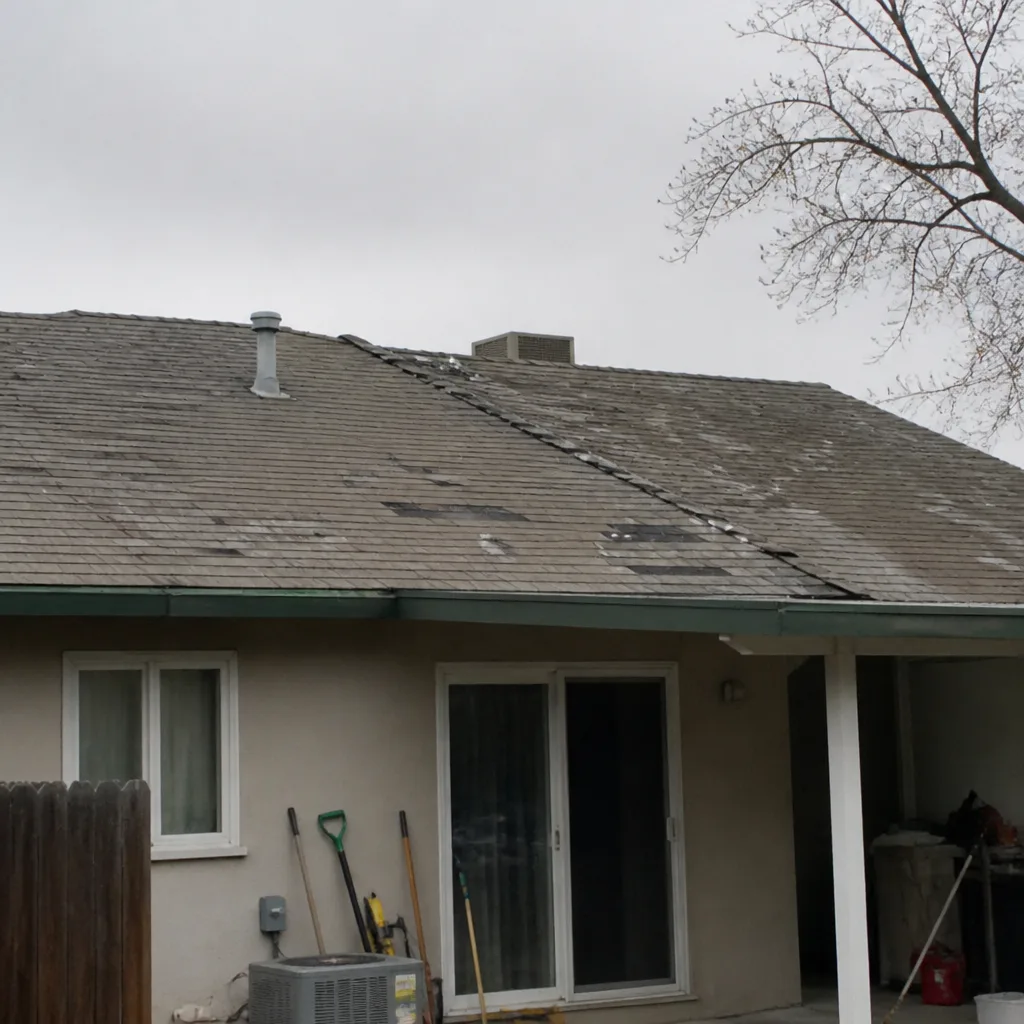 Before
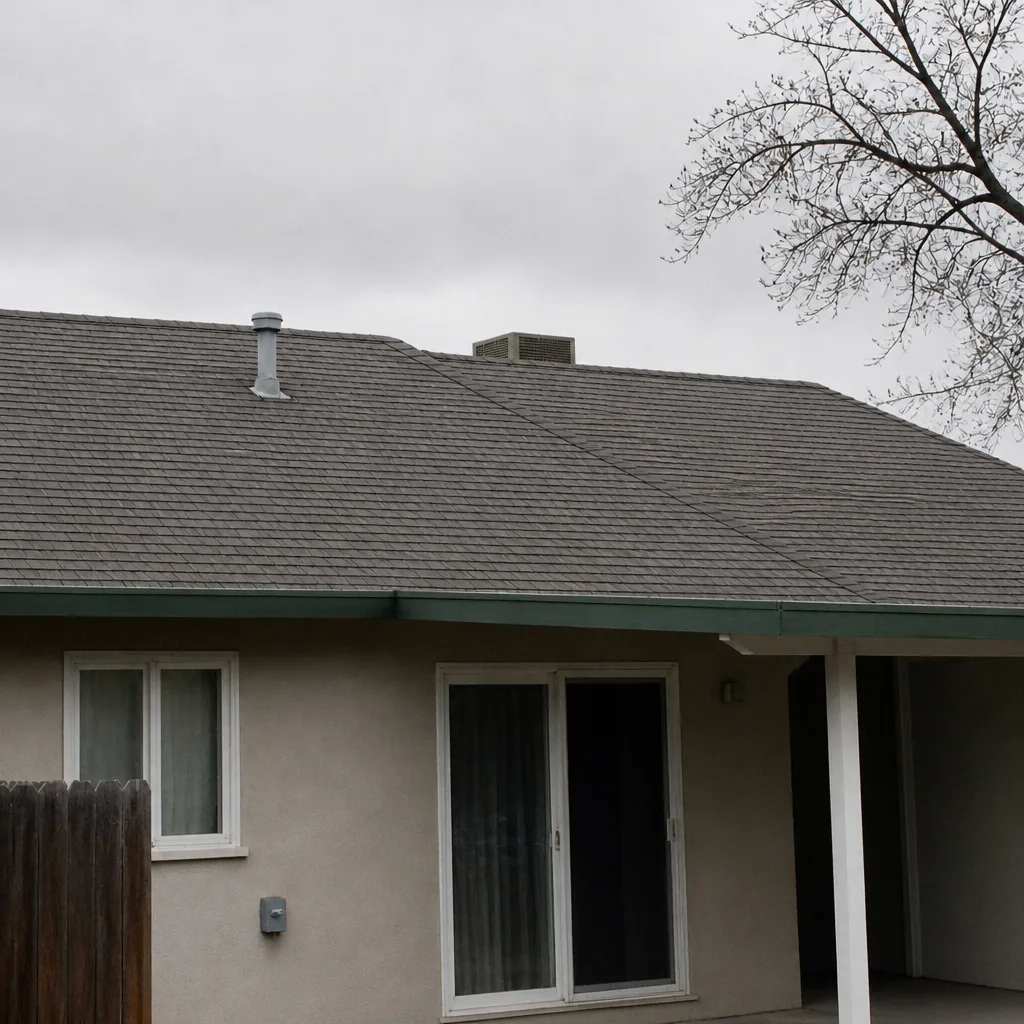 After
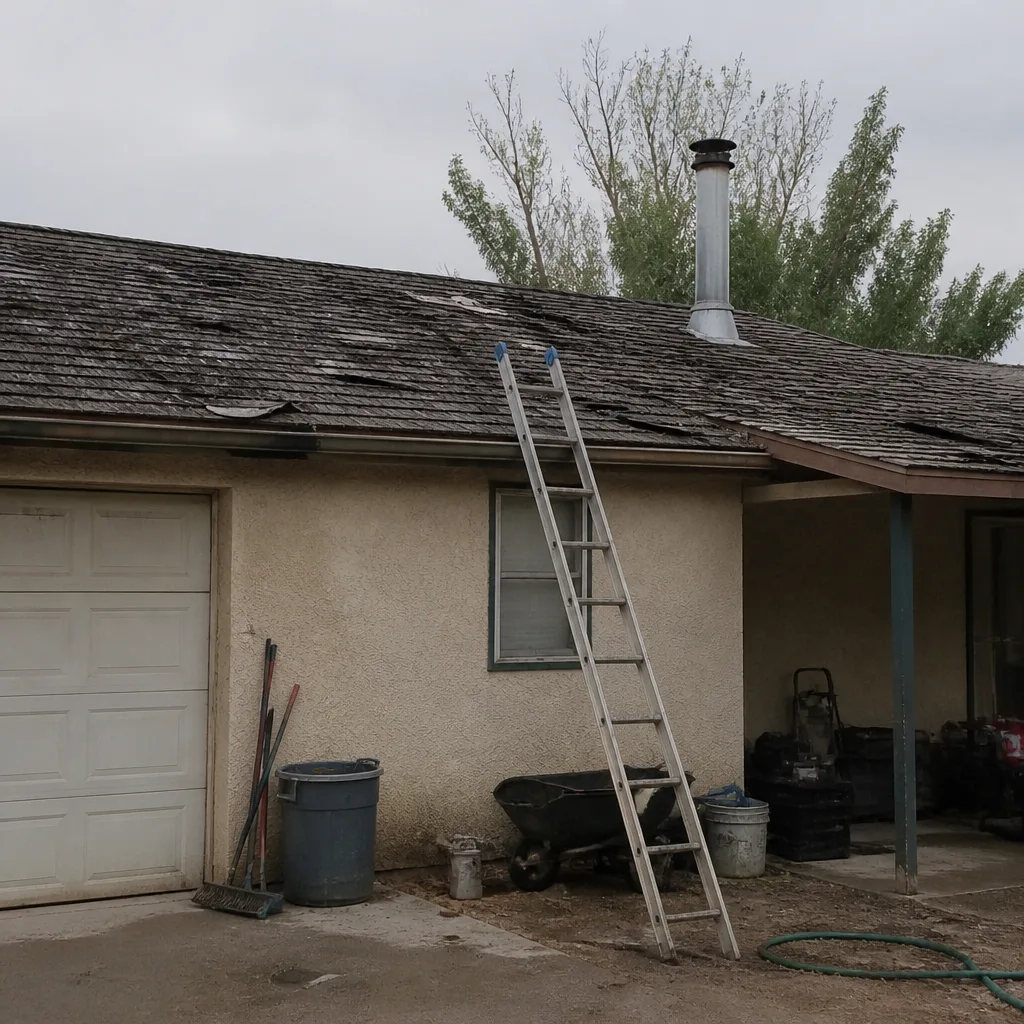 Before
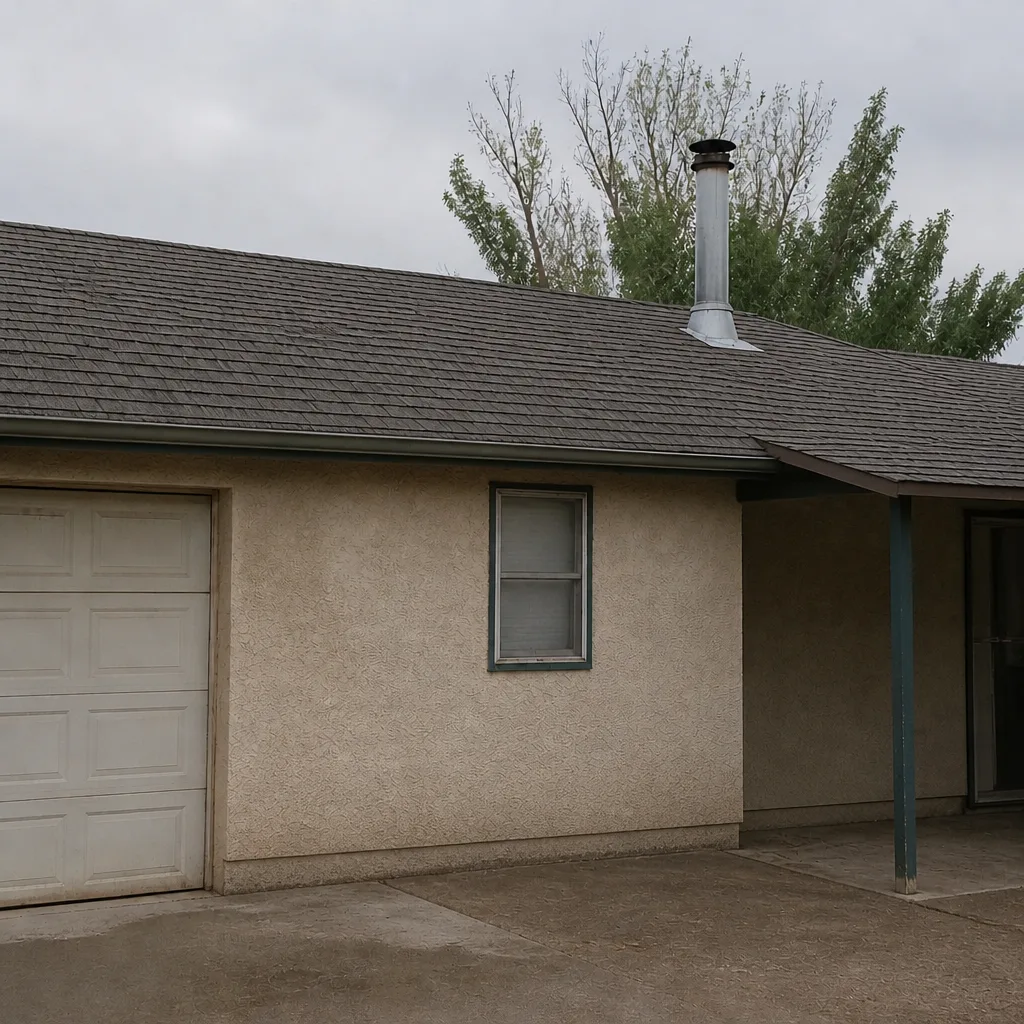 After
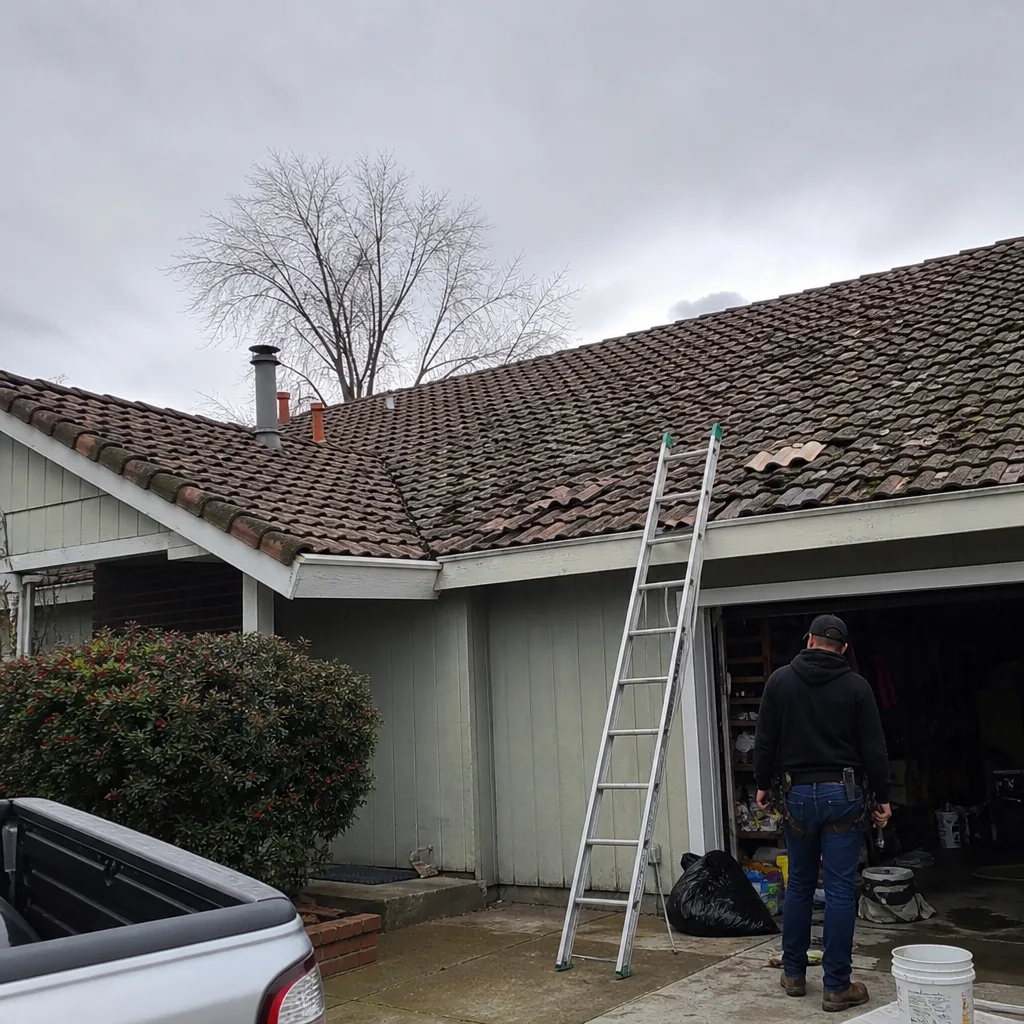 Before
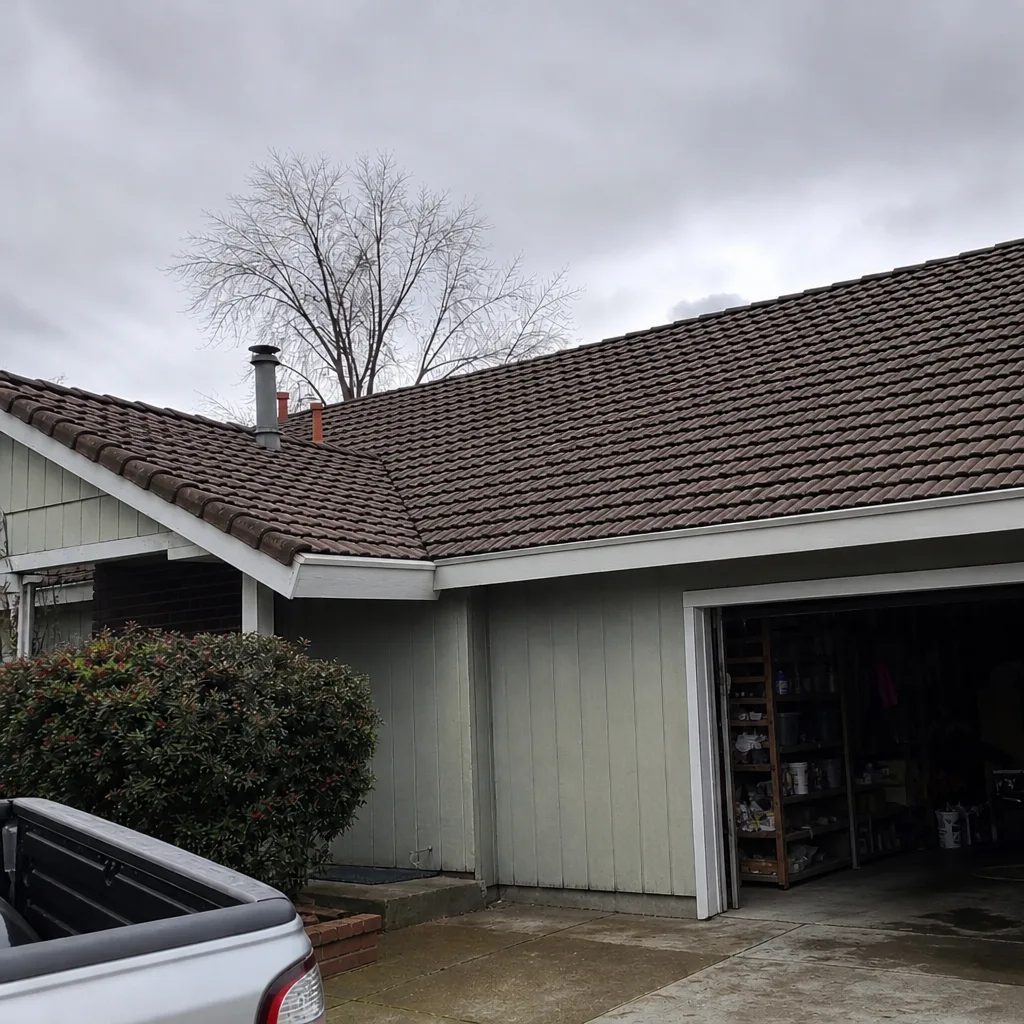 After
When to Call a Professional
Some things are worth a professional look; some aren’t safe to diagnose from the ground. Call us when you notice missing, cracked, or lifted shingles; granules collecting at the base of downspouts; water stains on ceilings or walls; loose or exposed fasteners after a cold snap; flashing or sealant that’s dried out or pulling away; or a roof that’s past the middle of its expected lifespan and starting to look its age. Also call before a sale or after a storm moves through, so you know where the roof stands.
Roof surfaces are dangerous to walk, especially when shingles are brittle, and height plus dry desert conditions make a fall far too easy. Don’t climb up to check it yourself. Roofing Whitney offers free estimates in Whitney: call (844) 320-5203. We answer 24/7. Fast dispatch from 7am to 7pm, Sunday through Friday.
Frequently Asked Questions
Roof repair costs in Whitney depend on the size of the damaged area, whether the decking and underlayment are sound, and the shingle type. Small repairs cost less than ones that uncover rotted decking, and impact-resistant or architectural materials can run higher than 3-tab. Call (844) 320-5203 for an exact quote. The estimate is free, and the written line-item estimate sets the final price.
Most roof repairs finish in a day, and larger ones that involve decking replacement or several areas may take longer. The honest answer depends on what the inspection finds underneath the damaged shingles. Call (844) 320-5203 and we’ll give you a timeline with the estimate.
Repairs can be done in the heat, and crews work in early mornings to stay ahead of it. Waiting doesn’t make a roof problem go away in Whitney; UV exposure keeps breaking down the surface and small openings grow. Call (844) 320-5203 to schedule an assessment.
A roof here can be failing from UV damage long before it leaks, so no leak doesn’t mean no issue. Granule loss, cracked shingles, exposed nails, and dried sealant around flashing are signs the roof is aging even while it sheds water. Call (844) 320-5203 for an inspection, and we’ll tell you what it actually needs.
Permit rules vary for roof repairs and depend on the scope of the work. A small patch may not need one; larger repairs can. Ask your local building department before work starts, and confirm the answers in the written estimate so there are no surprises. Call (844) 320-5203 if you want help understanding what your repair involves.
Yes, and that’s exactly what an inspection is for. We check the shingles, decking, underlayment, and flashing, then lay out both paths so you can weigh the cost of a roof repair against the cost of a roof replacement on your terms. Call (844) 320-5203 for a free estimate. You choose the brand that fits your home and budget, and we work with all of them.
The Bottom Line
Roof repair in Whitney comes down to knowing what the roof is actually up against. The sun and the daily temperature swing do more damage here than most homeowners expect, and a repair that ignores the decking and underlayment underneath is a repair you’ll pay for twice. Judge the whole roof, not just the spot that caught your eye. Check underneath before you cover it up. Match the material. Keep a record. That’s what your roof’s full lifespan actually depends on. And when it’s time to look or fix, call Roofing Whitney at (844) 320-5203 for a free estimate. We answer 24/7. Fast dispatch from 7am to 7pm, Sunday through Friday. Seven leading brands, one focused roofer.
Written by the team at Roofing Whitney.