
Last updated November 16, 2026
 Metal roofing
 Architectural shingles
 Tile roofing
 GAF
 Owens Corning
 Flat & low-slope
Free roof inspection with deck photos before we talk money - GAF and Owens Corning certified installation
Seasonal Roofing Care for Whitney: Year-Round Homeowner’s Guide
Most seasonal roof care advice was written somewhere with four distinct seasons, and it doesn’t fit Whitney. We don’t get a gentle spring, a mild summer, and a slow fade into fall. We get a short, cool stretch, a long and brutal summer, and two narrow transition windows in between that are the only genuinely comfortable times to get real work done on a roof. That changes the schedule completely. In this guide you’ll learn what to check and when, why summer is the worst time to plan a reroof in Whitney, which tasks prevent small problems from becoming expensive ones, and how to read your roof after each local season passes.
Quick Answer
The best times to inspect and repair a roof in Whitney are late February through March, after the cool season, and October through November, once summer heat breaks. Pre-summer prep in April and May centers on attic ventilation and drainage so the roof deck isn’t cooked from the inside. Summer is a watch-and-report season, not a reroof season.
Styles & brands we work with
- Architectural shingles
- Metal roofing
- Tile roofing
- GAF
- Owens Corning
- Flat & low-slope
Table of Contents
- Why Whitney’s Roofing Calendar Doesn’t Match the Standard Advice
- February and March: The Post-Winter Assessment Window
- April and May: Pre-Summer Prep and Attic Ventilation
- July through September: Monsoon Watch and Drainage
- October and November: Post-Summer Assessment and Replacement Planning
- Why Summer Is the Worst Time to Reroof in Whitney
- A Simple Year-Round Roof Care Schedule
- Common Mistakes to Avoid
Why Whitney’s Roofing Calendar Doesn’t Match the Standard Advice
Drive through any residential stretch of Whitney and you’re looking at roofs that spend most of the year absorbing direct sun and radiating heat back into the attic. That’s not a mild inconvenience. It’s the central fact of roof care here. A roof in Whitney doesn’t fail the way it does in a place with heavy snow loads or freeze-thaw cycles. It fails from heat cycling, from UV exposure, from material expansion and contraction, and occasionally from water that shows up all at once during a summer storm and finds every weak point at the same time.
What that means practically:
- Winter is comparatively easy on roofs here. Cool temperatures mean less thermal movement. Winter is when a roof is under the least stress, which is why it’s also the season that reveals what failed quietly the summer before.
- Summer is the hard season, not the easy one. The roof deck cooks, shingles soften, sealant strips get tested to their limit, and any ventilation shortfall compounds.
- Spring and fall are the work windows. Late February through March and October through November are when inspections find the most, and when repair work happens without fighting the heat.
- Monsoon rain does more damage than any other single event. Not because it happens often, but because it arrives fast and tests drainage and flashing all at once.
So the popular advice to “inspect in spring and clean gutters in fall” is directionally right but misses the timing that actually matters in Whitney. The window is narrower than that. If you treat late winter and mid-fall as your only real action points, the rest of the year becomes observation and prevention. That’s the calendar this guide builds.
February and March: The Post-Winter Assessment Window
Late February into March is the single best stretch of the year to schedule a professional inspection or non-urgent repair in Whitney. The cool season has done its work, any cold-weather cracking or lifting has happened, and the roof is visible and stable. You’re not racing summer heat, and you have weeks, not days, to get a contractor out before the schedule fills with pre-summer work.
What this window is actually for:
- Checking for shingle lifting, cracking, or granule loss that accelerated over the cooler months.
- Looking at flashing around chimneys, vents, and skylights, which is where most slow leaks start.
- Confirming attic ventilation is working after a season of the attic being closed up.
- Booking any repair that doesn’t need to happen immediately, while the weather supports it.
The key phrase is non-urgent repairs. If something is actively leaking, it gets handled now. But a lifted shingle, a worn pipe boot, or a section of flashing that’s starting to pull away can all be scheduled in this window with the certainty that the work happens before the heat arrives. If you’ve been putting off an inspection because “nothing’s leaking,” late winter is the moment to stop waiting. A standalone roof inspection gives you a real picture of what your roof actually needs. It doesn’t automatically become a sales conversation, and that distinction matters more than most homeowners realize.
Why we mention this specifically: Roofing Whitney offers inspection as a service on its own, not as a doorway into a repair or replacement pitch. That’s the point of the inspection-first approach. You know what your roof needs before you spend a dollar on anything.
April and May: Pre-Summer Prep and Attic Ventilation
By April, Whitney is warming fast, and the roof’s real summer test begins. This is pre-summer prep season, and the single most underrated task is attic ventilation. A poorly vented attic turns your roof into a solar oven. Intake and exhaust vents work together to move hot air out before it can bake the underside of the roof deck and drive temperatures on the shingles higher than they’d be otherwise.
What to check in April and May:
- Attic ventilation path. Confirm intake vents (usually at the soffit) aren’t blocked by insulation or debris, and that exhaust vents at or near the ridge are clear. Hot air has to get out, and cool air has to get in.
- Drainage path. Clear debris, check that water has a straight path off the roof, and look for any area where water could pool after a storm.
- Flashing and sealant. Heat softens sealant strips and opens any gap that was marginal. A pre-summer check catches these before they fail.
- Overhanging branches. Trim anything close enough to the roof to drop debris or during a wind event.
- Skylights and roof penetrations. Confirm they seal cleanly before the rain finds them.
Attic ventilation is where a lot of homeowners in Whitney get it wrong. They check the roof from outside, confirm it looks fine, and ignore what’s happening underneath. But an attic that runs hot all summer accelerates wear on code-compliant materials that would otherwise last longer. Ventilation isn’t cosmetic. It’s one of the few things you can adjust that changes the pace of wear. If you’re not sure your attic setup is doing its job, this is a question worth asking during an inspection.
April and May are also the last realistic window to schedule repair work before the summer schedule gets crowded and daytime heat makes extended work more demanding. If you got an inspection in February and March and the repairs were minor, get them done now.
July through September: Monsoon Watch and Drainage
Summer in Whitney is mostly dry and hot, and then, occasionally, it isn’t. When the summer storms arrive, they arrive fast. The roof’s job shifts from heat resistance to water management, and that’s where a lot of unnoticed weaknesses get found in a hurry.
Here’s what to watch during monsoon season:
- Ponding water. After a rare heavy rain, water that sits in one spot and drains slowly is a sign of a low spot or a blocked drainage path. Ponding stresses the roofing membrane or shingles under it and pushes water toward seams.
- Flashing performance. Monsoon rain is the real test for flashing. Check around chimneys, vents, skylights, and wall-to-roof intersections for active leaks or telltale staining after a storm.
- Gutter and drainage flow. Debris that built up over the dry months gets tested in one storm. If water is spilling over an edge rather than running off the roof, the drainage path is compromised.
- Granule accumulation. If you notice sand-like grit in gutters or pooled at the base of downspouts during or after the storm season, that’s a sign shingles are losing their protective surface. It’s normal to see some, but a sudden heavy amount is worth a closer look.
We’ve seen what one good storm does to a roof that wasn’t ready for it: a leak that forces a repair appointment at the worst possible time. The point of everything earlier in this guide is to make monsoon season a “check the drainage and move on” event rather than an emergency. If a storm has left water somewhere on your roof that doesn’t drain the way it should, that’s a repair and not a “wait and see.” Get it inspected before the next storm runs through.
If you need to move fast on a leak, roof repair in Whitney covers targeted fixes to flashing, seams, and storm damage without pushing you toward a full replacement you don’t need. That said, not every leak is minor, so the inspection comes first. If the roof needs to be assessed after a storm, that’s the right place to start.
October and November: Post-Summer Assessment and Replacement Planning
By October, the heat has broken and the roof is visible again. This is the second work window of the year, and it’s the best one for planning ahead. If your roof survived summer with a few problems or is getting close to end of life, this is when homeowner decisions actually get made rather than postponed.
What October and November are for:
- Post-summer assessment. The roof has just been through its hardest season. An inspection now tells you how the summer affected it.
- Granule check. Confirm granule accumulation in gutters is stable and not increasing.
- Replacement planning. If a replacement is coming, planning it now means you have time to think about materials, compare product lines, and schedule work in a window that actually works for the roof.
- Repair decisions. Repairs that were deferred through summer, either because of the heat or because they weren’t urgent, get handled now.
This is where product choice matters, and it’s a real advantage to have options. Roofing Whitney works with seven major roofing manufacturers: GAF, CertainTeed, Owens Corning, IKO, Atlas, Tamko, and Boral. That’s not a marketing line. It means when a replacement is planned in Whitney, the recommendation reflects the home’s actual roof, exposure, and budget rather than a single-brand arrangement. You’re not choosing between “what this contractor carries” and “what you actually need.” You’re choosing across competing product lines with someone accountable for the installation.
If replacement is the right answer, roof replacement covers the full process, from material comparison through installation. Planning it in October and November means you’re choosing a window, not surviving one. Rushing a replacement decision is how homeowners end up with a roof they didn’t fully think through.
Why Summer Is the Worst Time to Reroof in Whitney
Replacing a roof in Whitney in July or August is possible, but it’s the hardest way to do it. Two things make it difficult: heat and shingle handling. Understanding both helps you plan around them.
Heat. Roof surfaces reach high temperatures under summer sun. Extended work in that environment is physically harder, and installers have to manage their work around the hottest parts of the day. That’s a scheduling reality, not a warning about danger.
Shingle handling. Shingles applied in high heat can behave differently during installation. Materials soften, sealant strips activate quickly, and the working characteristics of the product change in ways that experienced installers know to manage. Product selection and installation timing both matter more in summer than in spring or fall.
What to do instead:
- Plan the replacement in October or November. Get the inspection, compare products, and lock in a schedule before winter.
- Use late February through March as a secondary window. If planning slipped, the post-winter window is a good second chance to schedule replacement work.
- Only reroof in summer if you have to. If a sudden failure forces a replacement, it can be done, but a planned replacement is almost always the better experience than a reactive one.
The reason this matters is that a roof replacement is one of the biggest investments a homeowner makes in their house, and the timing of that decision is where judgement counts. Making it in October with time to compare products and plan is a very different experience from making it in July because the roof won’t hold.
A Simple Year-Round Roof Care Schedule
Here’s the whole guide condensed into a schedule. Copy it into your calendar and adjust the specific weeks to your home’s condition.
- Late February through March: Full inspection. Note what winter revealed. Book non-urgent repairs now.
- April through May: Attic ventilation checks, drainage clearing, flashing review, tree trimming. Finish any deferred repairs before the heat.
- June: Last-call drainage check before the storm season.
- July through September: Watch after storms. Look for ponding water, flashing leaks, and heavy granule accumulation in gutters. Handle leaks urgently.
- October through November: Post-summer inspection. Confirm granule stability. Plan repairs and, if needed, a replacement.
- December through January: Passive observation. Note any new stains, sagging, or shine-through. No active work needed unless something fails.
Two things that surprise homeowners about this schedule: it doesn’t include summer work for anything planned, and it treats winter as a season for observation rather than action. That’s a Whitney reality. The two work windows are narrow, and the middle of the year is mostly a waiting game unless a storm forces your hand. If you’re on this schedule, you’re already ahead of the homeowner who only thinks about the roof when something breaks.
Common Mistakes to Avoid
- Treating spring like the only inspection season. In Whitney, October and November are just as important. Skipping the fall check means deciding on repairs and replacements during the summer rush instead of calmly in the fall.
- Ignoring attic ventilation until it’s too late. Poor ventilation is invisible from the outside but bakes the roof deck all summer. It’s one of the few adjustable factors that changes how fast a roof wears.
- Cleaning gutters once a year. Granule accumulation and monsoon debris need more frequent clearing. Standing water or blocked flow is a sign to check again.
- Scheduling a reroof in July. Heat and shingle handling make it the hardest time of year to replace a roof. Plan it in the fall or late winter whenever possible.
- Choosing a shingle brand before an inspection. The recommendation should follow the roof, not the other way around. That’s why having access to multiple manufacturers matters – Owens Corning, IKO, Atlas, Tamko, and others each do different things well, and matching them to your home is a decision best made after looking at the roof.
- Waiting for a leak before inspecting. Roofs in Whitney fail quietly through heat cycling and UV wear. An inspection before a leak is almost always cheaper than an inspection after one.
- Hiring a general contractor for a roofing problem. A company that does roofing alongside plumbing, HVAC, and siding isn’t a roofing specialist. A dedicated roofer knows the specific failure patterns in this climate.
See the difference
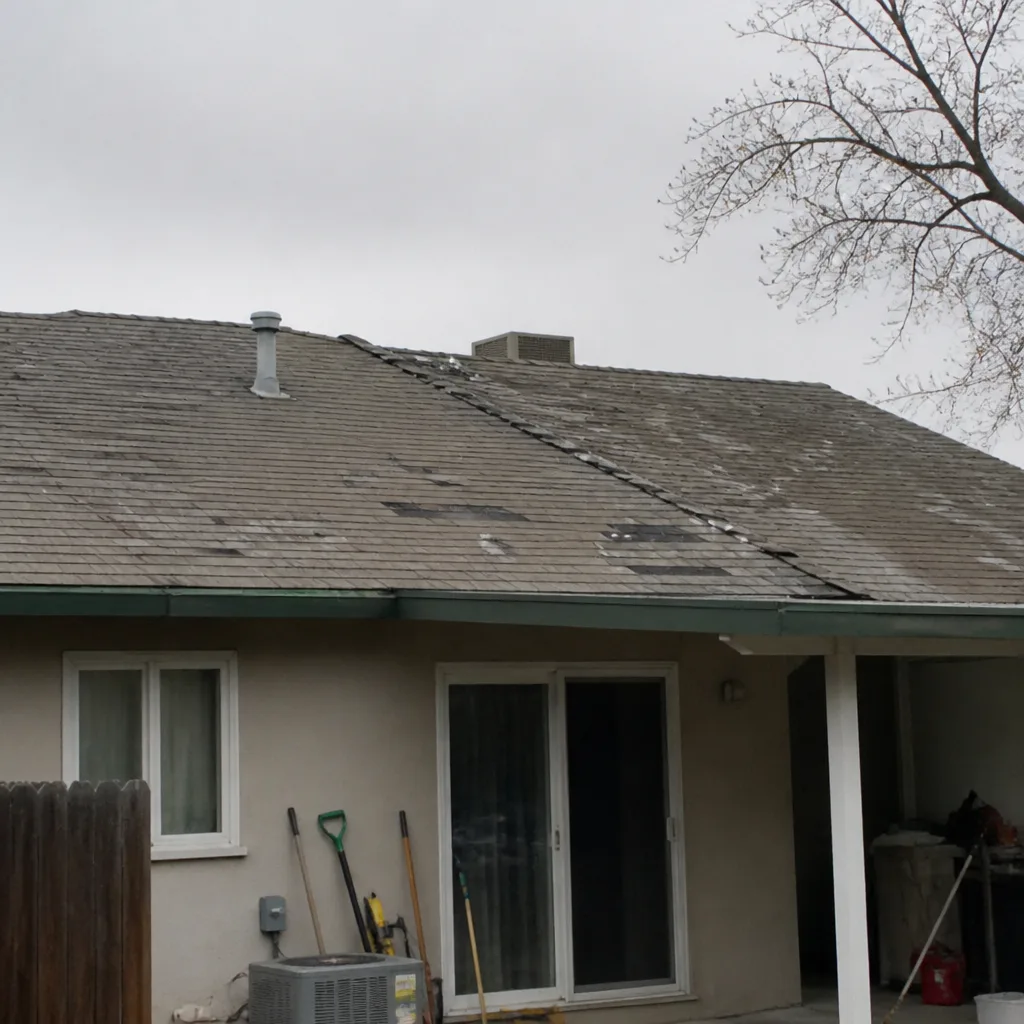 Before
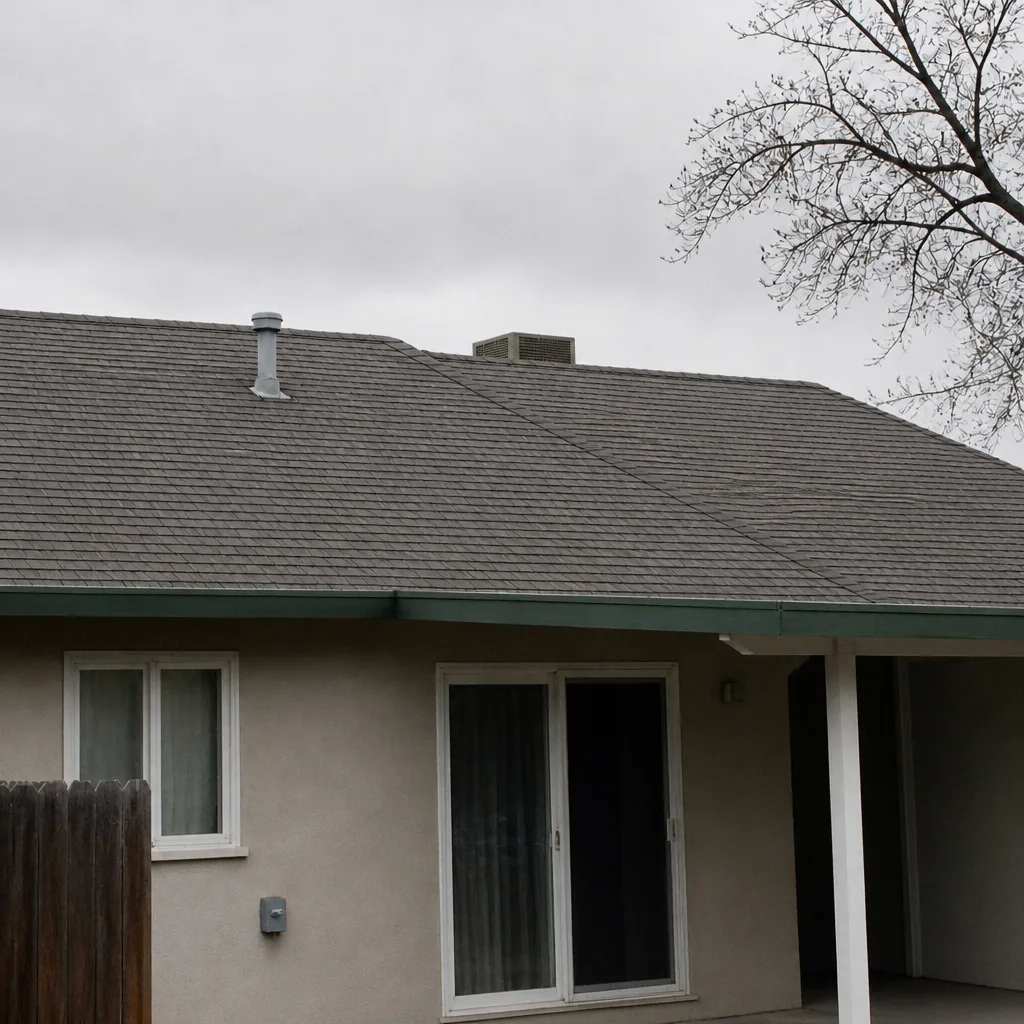 After
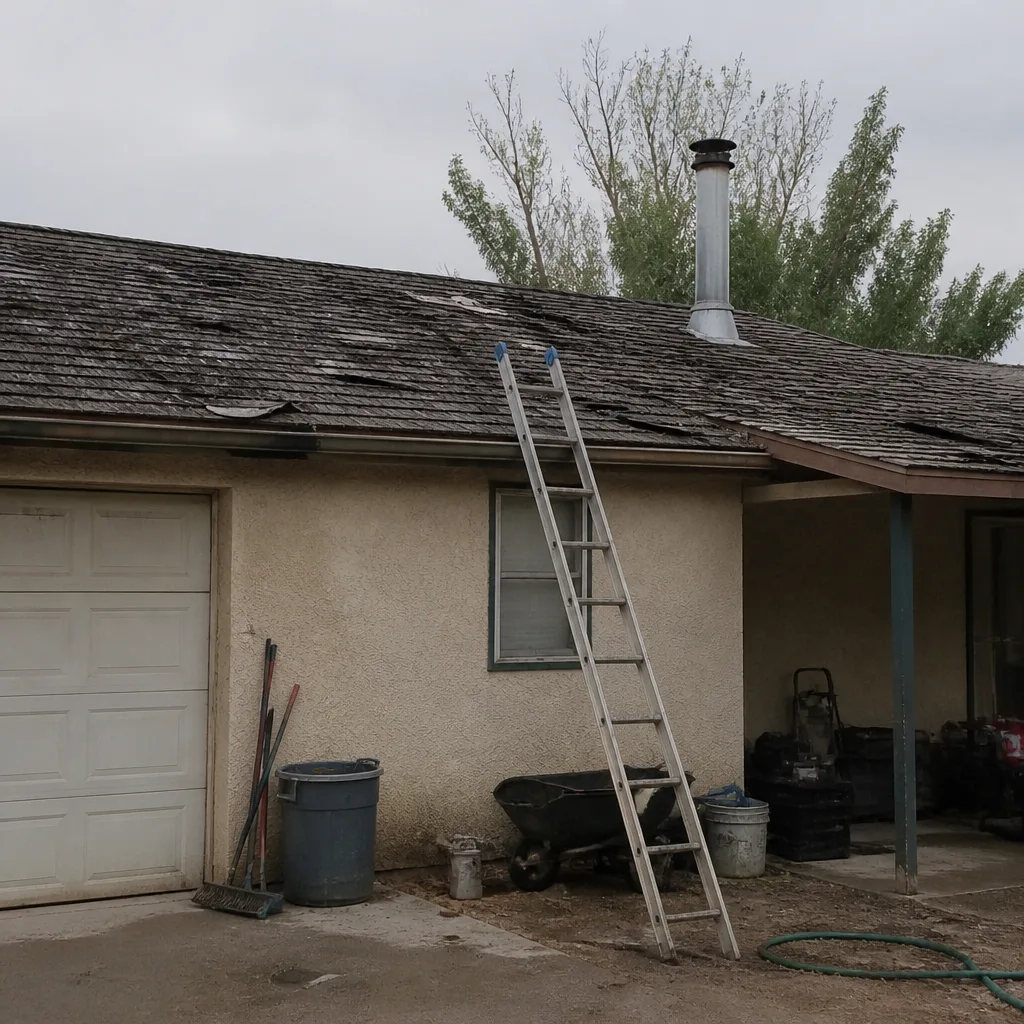 Before
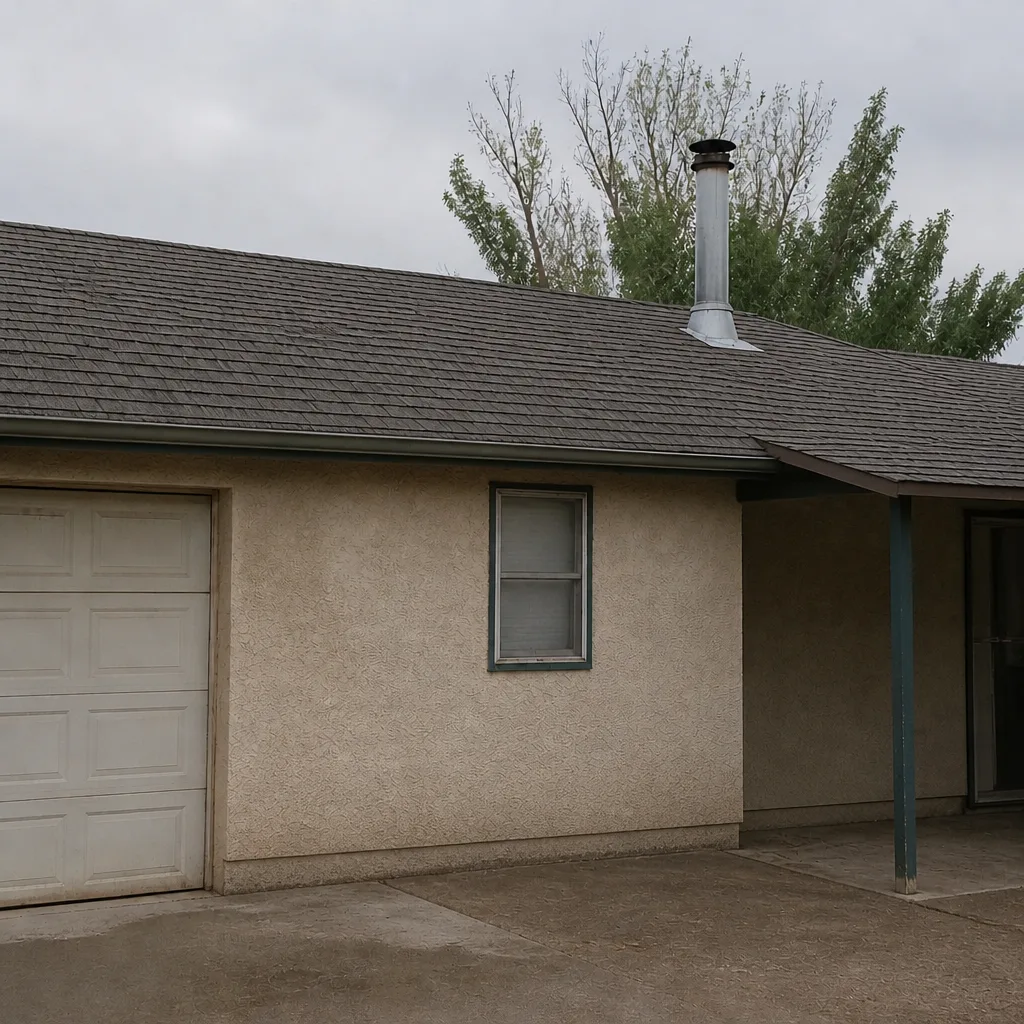 After
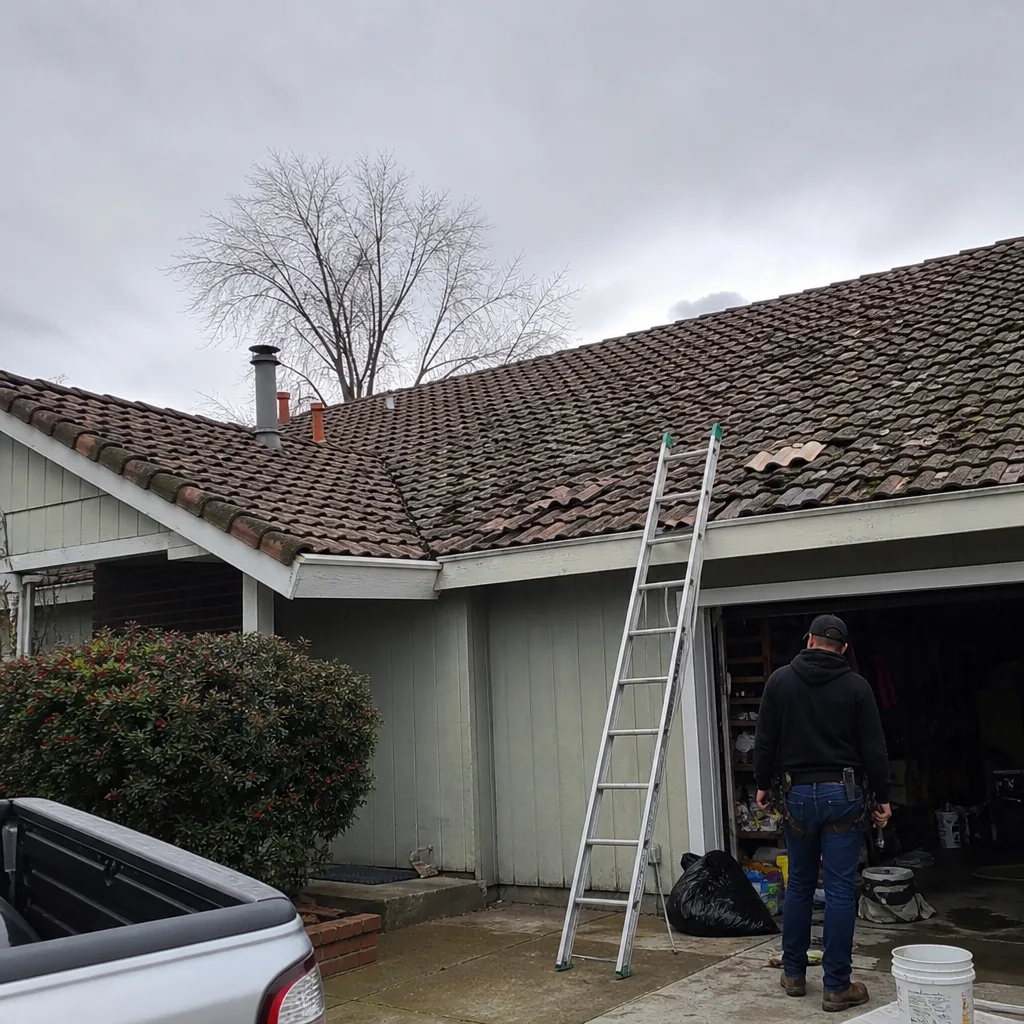 Before
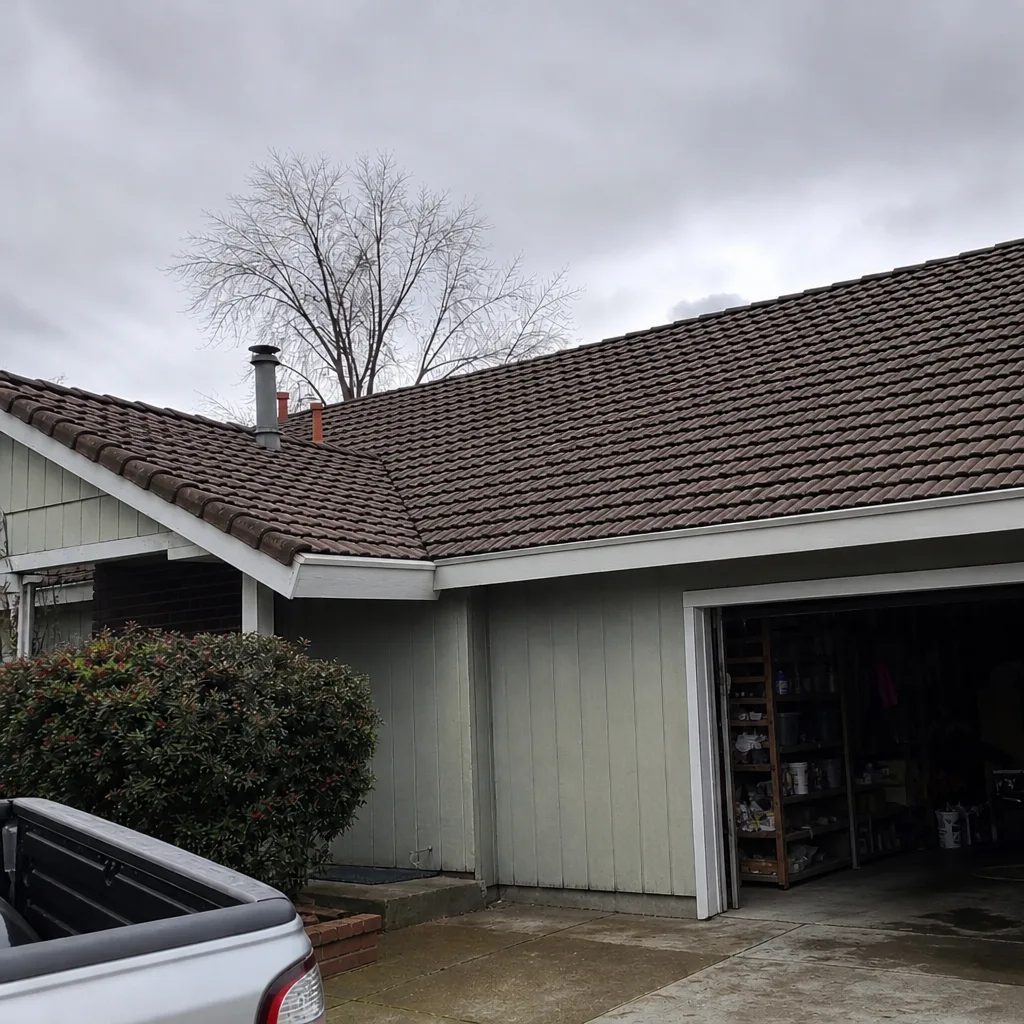 After
When to Call a Professional
Some roof problems are worth watching for a season. Others aren’t. Call a professional if: water is actively entering the attic or ceiling, you see dark stains or bubbling on interior ceilings, shingles are visibly lifting, curling, or missing after a storm, you notice sudden heavy granule accumulation, any flashing is visibly separated from the roof surface, or a monsoon storm has left water standing on the roof that isn’t draining. You should also call if you’re simply unsure and want a clear picture before making a decision. A trained eye finds what years of looking up from the driveway won’t.
Roofing Whitney offers free estimates in Whitney – call (844) 320-5203. Our technicians have up to 9 years of experience, and inspection is its own service, so you can get an honest assessment without an automatic sales pitch. We work with seven major manufacturers and can recommend a product line that fits your home and budget rather than the one we’d rather install.
Frequently Asked Questions
Late February through March and October through November are the best inspection windows in Whitney. Both fall outside the summer heat and give you time to act on whatever the inspection finds before the next hard season arrives.
Inspecting twice a year, once in late winter and once in fall, catches most issues before they become expensive. In between, check after any significant storm and any time you notice a change on the interior ceiling or in the attic. Homeowners who stay on a twice-yearly schedule are far less likely to discover a leak the hard way in the middle of July.
Heat and shingle handling make summer the hardest season for installation work. Roof surfaces are hot, installers manage their work around the heat of the day, and materials behave differently at high temperatures. Planned replacements are better scheduled in the October-November window, with late February through March as a solid backup.
Ponding water after a rare heavy rain means the drainage path is compromised, whether from a low spot, blocked flow, or debris buildup. Water that sits and drains slowly stresses the roofing material under it and pushes moisture toward seams. That’s a sign to schedule an inspection rather than wait for the next storm.
Some granule accumulation is normal for aging shingles, but sudden heavy accumulation after summer is worth investigating. It can signal that shingles are wearing faster than expected. An inspection can confirm whether the roof is at end of life or whether the granules you’re seeing are the normal result of seasonal wear.
Yes. Attic ventilation affects the roof from underneath and won’t show up in a quick visual check from the driveway. An under-ventilated attic traps heat and drives up the temperature the roof deck endures all summer. It’s one of the few things you can adjust that changes how quickly the roof wears.
It shouldn’t. A proper inspection tells you what your roof actually needs, which might be nothing, might be a targeted repair, or might be a plan for replacement. Roofing Whitney offers inspection as a standalone service for exactly this reason: you know what you’re working with before you spend a dollar.
The Bottom Line
Whitney doesn’t get four equal seasons, and roof care that assumes it does will miss the two windows that actually matter. Late February through March is when you find what winter revealed and book non-urgent repairs. October and November is when you assess the summer’s toll and plan for the future. Summer is a watch-and-react season, not a construction season, and treating it as one only makes work harder. Handle attic ventilation before the heat arrives, check drainage after every storm, and inspect twice a year so a small problem stays small. Your roof is the layer that does the most work for your home, and giving it a schedule – not just attention when it breaks – is what protects a serious investment.
Written by the team at Roofing Whitney.
If you’re ready to work through this year’s schedule on your own roof, call (844) 320-5203 for a free estimate. We answer 24/7. Fast dispatch from 7am to 7pm, Sunday through Friday. Whether you need an inspection, a targeted repair, or a plan for a full replacement, the first step is a clear picture of what your roof actually needs.