
Last updated November 16, 2026
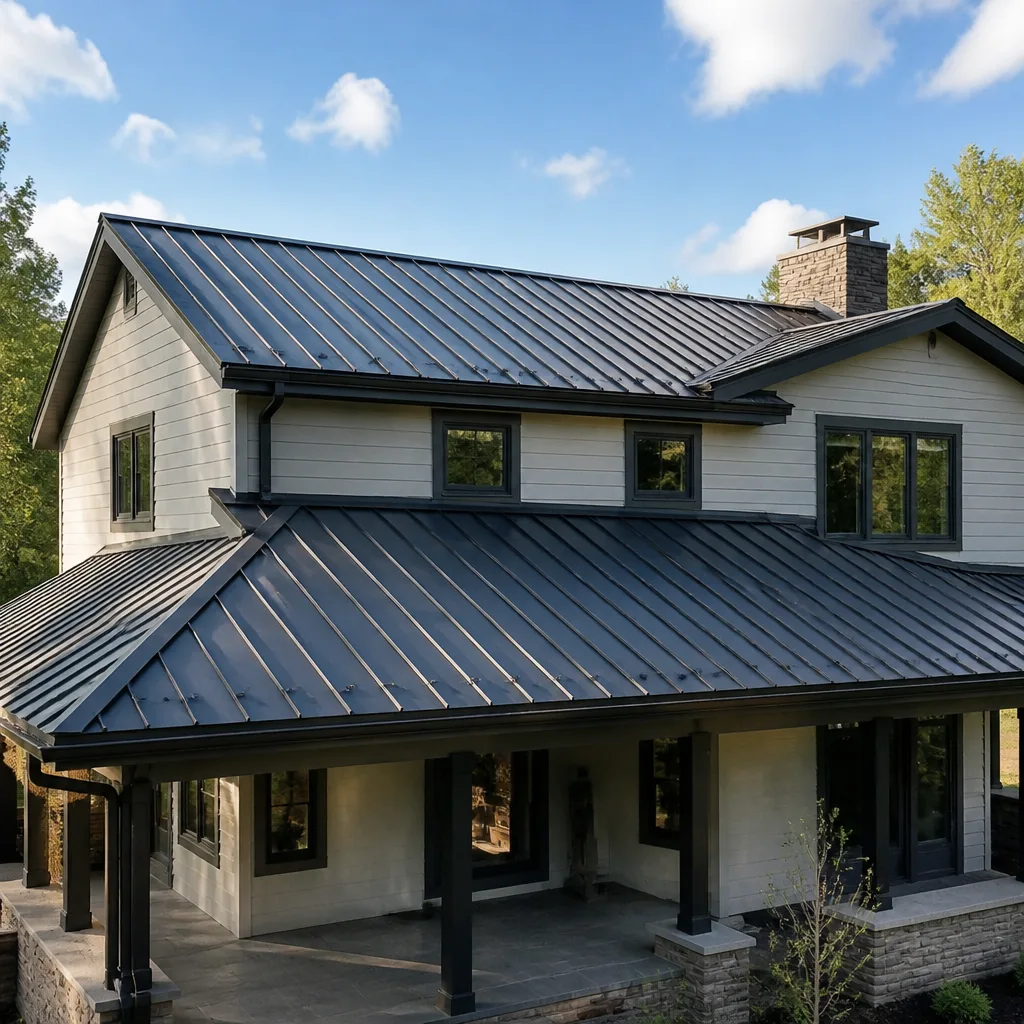 Metal roofing
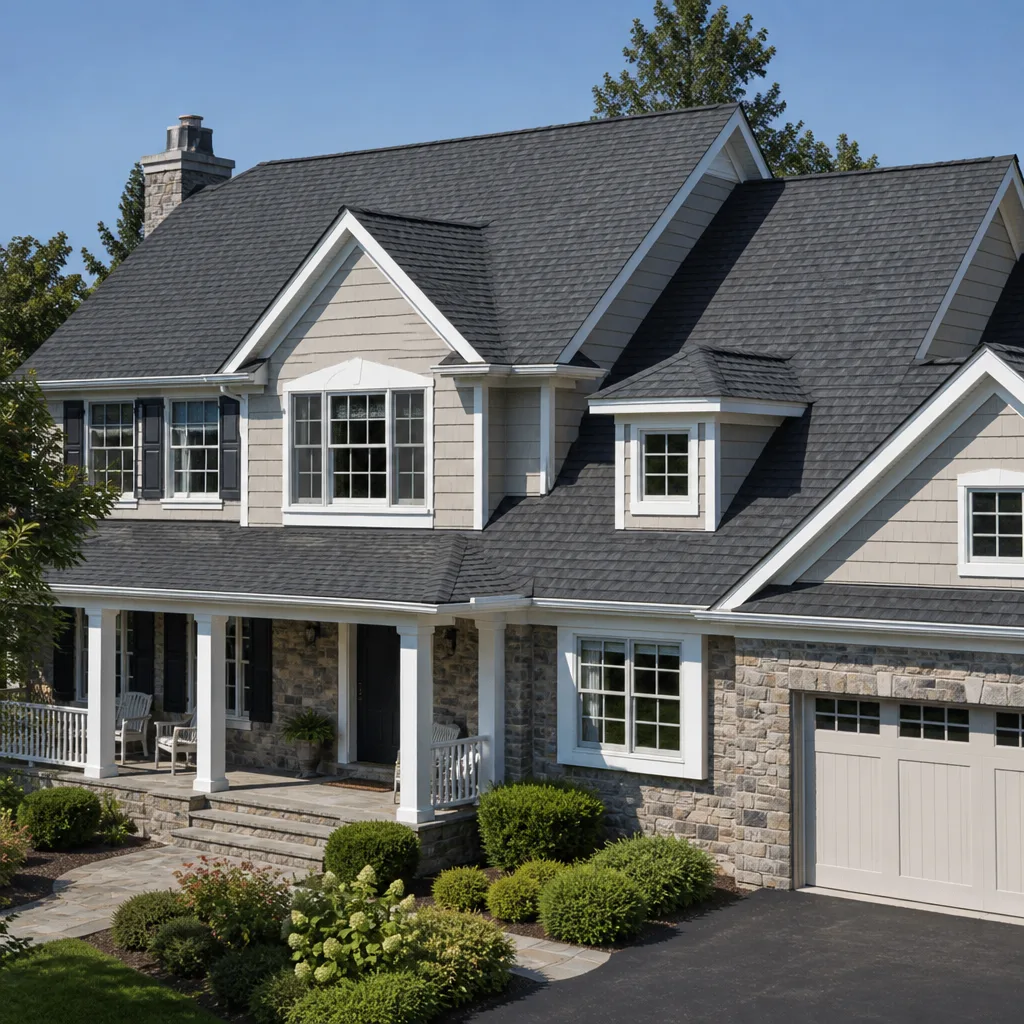
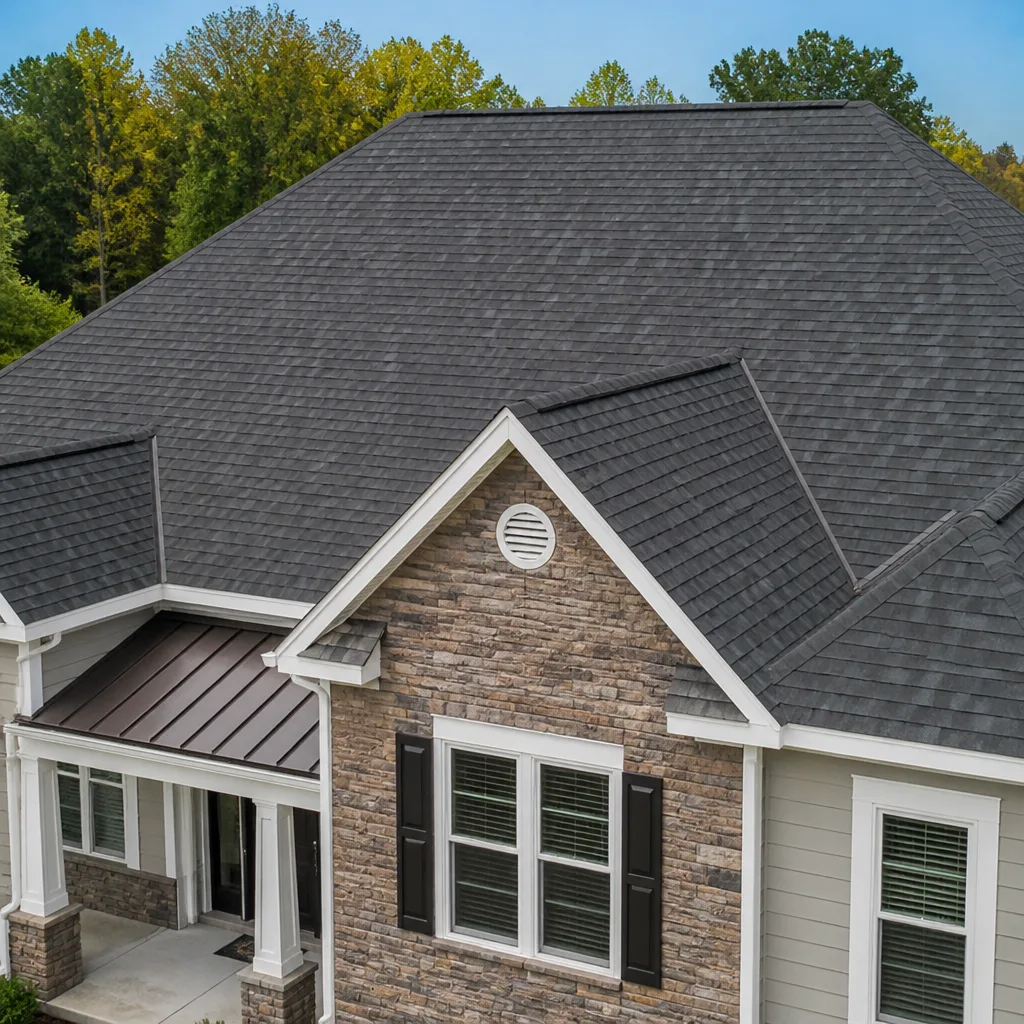 Architectural shingles
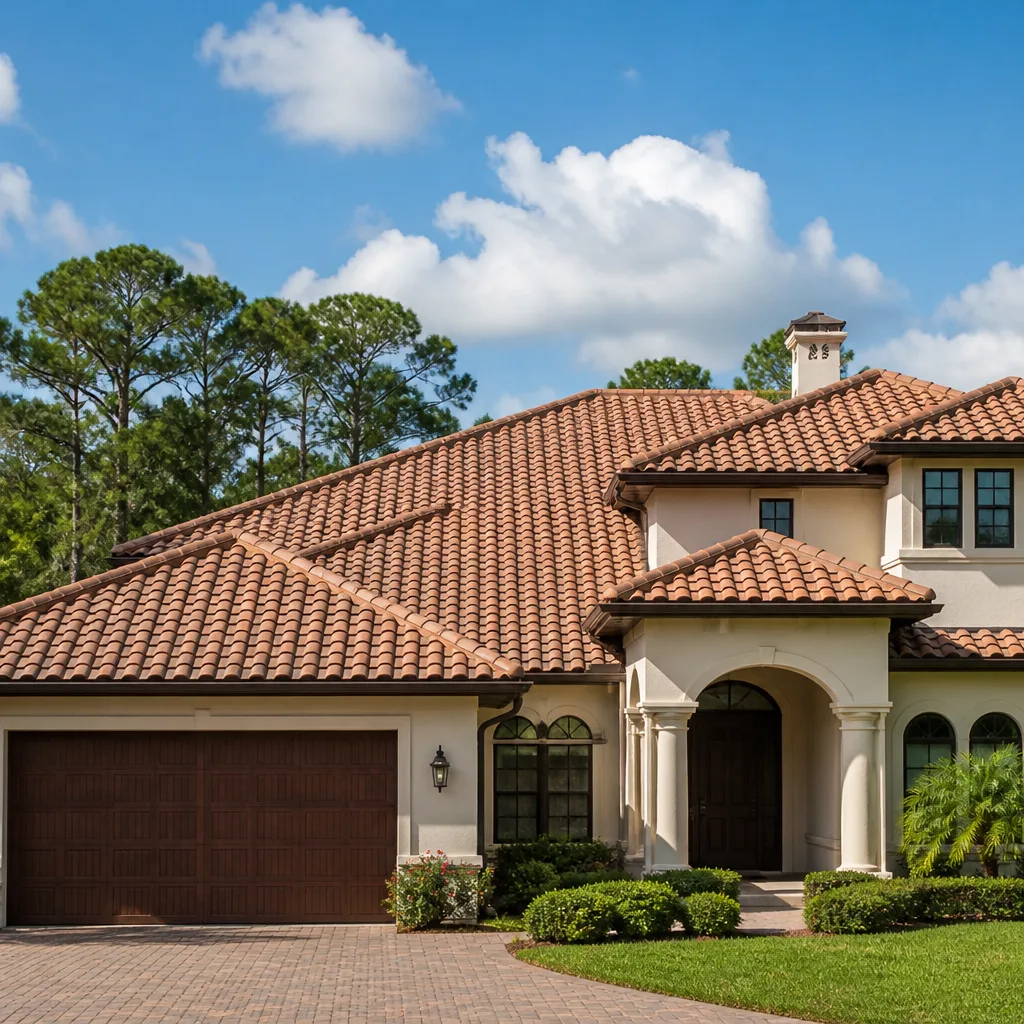 Tile roofing
 GAF
 Owens Corning
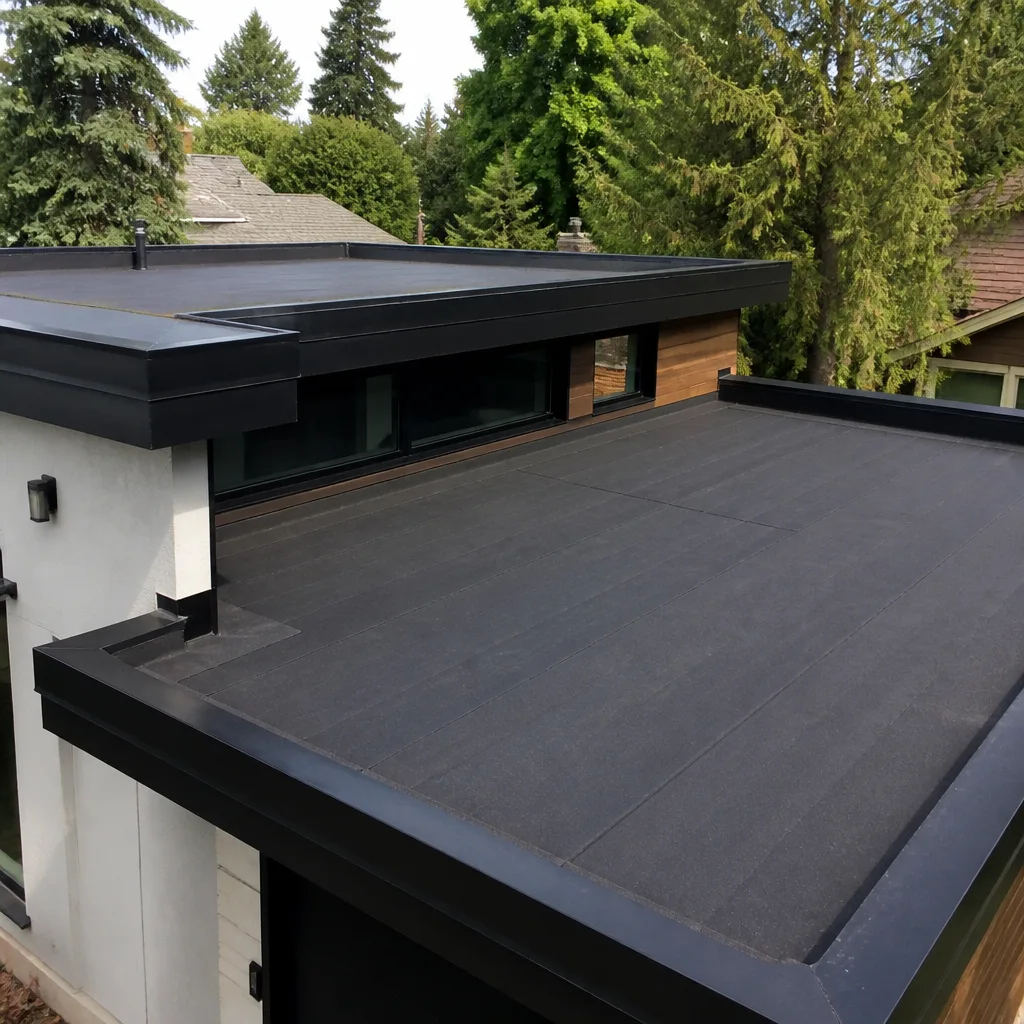 Flat & low-slope
Free roof inspection with deck photos before we talk money - GAF and Owens Corning certified installation
DIY vs Professional Roofing: The Whitney Homeowner’s Decision Guide
Installing your own shingles won’t just put the work at risk. It voids the manufacturer warranty on materials you’ve already paid for, which leaves you with the labor savings and none of the coverage. That’s the part most DIY roofing advice skips. The usual debate swings between “never touch your roof” and “it’s just nailing shingles down,” and both miss the real question: which tasks are safe and smart to handle yourself, and which ones cost you more the moment you start? This guide sorts roofing work into three buckets for Whitney homeowners: safe to do, warranty-risky, and outright dangerous. By the end you’ll know exactly where your roof sits and what to ask before you hire anyone.
Styles & brands we work with
- Architectural shingles
- Metal roofing
- Tile roofing
- GAF
- Owens Corning
- Flat & low-slope
Quick Answer
You can safely handle gutter cleaning, minor caulking, visual inspections from the ground, and attic checks yourself in Whitney. You should not install or repair shingles, flashings, or underlayment on your own, because uncertified installation can void the manufacturer warranty on materials, and summer roof surface temperatures above 150°F make the work physically dangerous regardless of skill. Everything in between is a judgment call, and a professional inspection is how you make it with real information instead of guesswork.
Table of Contents
- Where the DIY Line Actually Falls
- Tasks That Are Genuinely DIY-Appropriate in Whitney
- Why Shingle Installation Voids Manufacturer Warranties
- Heat and Fall Risk: The Whitney-Specific Math
- The Hidden Cost of a DIY Mistake
- What to Ask a Roofer On-Site
- Why Inspection Comes Before Any Decision
- Common Mistakes to Avoid
- When to Call a Professional
- Frequently Asked Questions
- The Bottom Line
Where the DIY Line Actually Falls
The useful way to think about roofing work isn’t “can I do this?” It’s “what happens if I get it wrong?” Some roofing tasks fail visibly and cheaply. A clogged gutter overflows where you can see it. A cracked bead of caulk lets in a little water you’ll notice at the next rain. Other tasks fail invisibly, sometimes for months, and by the time you see the stain on your ceiling the damage has already spread through the decking. That difference is the whole game.
We split roofing work into three tiers, and it’s the same split we walk Whitney homeowners through when they call us for a Roofing Whitney assessment.
- Safe to do yourself. Gutter cleaning, minor caulking around vents and pipe boots, visual inspections from the ground with binoculars, and attic checks for moisture, daylight, or staining. These tasks are low-risk, low-cost if you get them wrong, and genuinely useful for keeping an eye on your roof’s health.
- Warranty-risky. Installing shingles, replacing underlayment, replacing or resealing flashing, and any repair that touches the roof surface on a covered area. These aren’t always dangerous, but they can void the manufacturer’s warranty on the material and, in most cases, the workmanship coverage that came with your roof. If you paid for a warrantied roof, doing this work yourself can cost you the coverage you already own.
- Physically dangerous. Anything that puts you on the roof deck itself in Whitney summer heat, anything involving a roof steep enough that you’re nervous, anything involving heights above a single story without proper fall protection, and any work near skylights, chimney flashing, or the roof edges. Skill isn’t the limiting factor here. Physics and temperature are.
We’ve seen Whitney homeowners handle tier-one work well and feel good about it. We’ve also seen tier-two work done “correctly” that still failed an inspection because the installer didn’t follow the manufacturer’s required nailing pattern, and the homeowner had no idea it mattered. Tier three is where people get hurt. That’s the line.
Tasks That Are Genuinely DIY-Appropriate in Whitney
If you’re going to touch your roof at all, start here. These are the four jobs a capable Whitney homeowner can do without voiding anything, risking a fall, or creating a bigger repair later.
- Gutter cleaning. Twice a year is a reasonable baseline, and more often if you have trees dropping material into the gutters. Clogged gutters push water back under the roof edge and into the fascia, which is one of the most common causes of damage we see on Whitney roofs. Do it from a ladder with the ladder feet on solid ground, not from the roof itself.
- Minor caulking. Small cracks around pipe boots, vent flanges, and the sealant line on flashing can be re-caulked with the correct roofing sealant. This is a maintenance task, not a repair. Use roofing-rated sealant, not general-purpose caulk from the hardware store, and clean the surface before you apply.
- Visual inspections from the ground. Walk the perimeter of your home with binoculars once a season. Look for missing or lifted shingles, granules collecting in the gutters (a sign of shingle aging), staining on the underside of the eaves, and sagging along the roofline. From the ground, you can catch most of the visible warning signs without ever putting yourself at risk.
- Attic checks after heavy weather. Go into the attic after a big rain and look for daylight coming through the roof deck, water staining on the rafters or the back of the sheathing, and signs of moisture in the insulation. This is where the earliest warning signs of a roof problem show up, and it costs nothing to look.
The rule of thumb: if the task requires you to be standing on the roof, on a ladder above the first story, or working with tools that hold the roof surface together, it’s not a DIY task. If it can be done from the ground, from a stable ladder, or from the attic, it usually is.
Why Shingle Installation Voids Manufacturer Warranties
Here’s the part that surprises Whitney homeowners more than anything else: a shingle installed by an uncertified installer is not a warrantied shingle, even if it looks perfect from the street. The major manufacturers, including Owens Corning, IKO, Atlas, and Tamko, write their warranties around approved installation methods. Reading their warranty documents, the coverage is conditioned on the material being applied according to the written instructions that come with the product. Those instructions cover how many nails per shingle, where they go, what underlayment is required, and how the flashings are integrated. A homeowner installing shingles without following those specs to the letter has broken the terms, and the warranty is void. Not because the manufacturer is unfair, but because they can’t guarantee performance on a roof they can’t verify was installed correctly.
We work with seven leading manufacturers, Owens Corning, IKO, Atlas, and Tamko among them, alongside GAF, CertainTeed, and Boral. That access matters for this exact reason. When a manufacturer knows the installer is a licensed, approved contractor working to spec, the warranty holds up. When the homeowner did the work themselves without that status, the manufacturer has no reason to stand behind the material. The shingle you paid for is now an un-warrantied shingle. That’s the cost the DIY math usually misses.
There’s a second warranty hit that gets overlooked too. The workmanship warranty, the coverage that most quality roofing contractors provide on the installation itself, is gone the moment someone else does the work. So you lose the labor protection and the material protection in one move. If a defect shows up two years later, you’re paying for the tear-off and reinstall out of pocket, on top of what you already spent.
The bottom line: if your roof was installed with a manufacturer’s warranty, treat it as a document worth protecting. That means letting a licensed contractor handle anything that touches the shingles, underlayment, or flashing. If you need roof repair on a covered area, a professional repair is how you keep the warranty intact.
Heat and Fall Risk: The Whitney-Specific Math
Whitney sits in the Mojave Desert, and the summer roof surface temperatures here run hotter than most roofing advice is written for. A roof surface in the peak of a Whitney summer can reach well above 150°F. That’s not a comfort problem. It’s a medical one. At those temperatures, prolonged contact with the roof deck causes burns through clothing, and the heat radiating up off the surface makes the work zone hotter than the ambient air. People underestimate this every summer.
Combine the heat with the fall math. A single-story roof edge is roughly ten feet off the ground, and a two-story roof edge is twenty. A fall from ten feet is a serious injury in a substantial share of cases and a fatal injury in a smaller but real share; a fall from twenty feet is worse. The odds get steeper when you add heat, dehydration, a steep pitch, and the awkward balance of a shingle bundle on a sloped surface. Skill doesn’t change those odds. Even experienced roofers work in crews, with fall protection, and they schedule around the heat rather than through it.
In Whitney, the sensible DIY season for any roof-adjacent work is early morning in the cooler months, and even then we’d caution against getting on the roof deck itself. Summer afternoons are off the table. The work doesn’t just feel harder. It’s genuinely dangerous in a way that no amount of “I’m careful” fixes.
There’s a third factor most DIY guides skip: heat damages shingles during installation. Shingles need to be installed within a temperature range specified by the manufacturer. Install them too hot and they can scuff, tear, or fail to seal correctly. Install them too cold and the sealant strip won’t activate. Whitney’s temperature swings, from cool winter mornings to summer afternoons that exceed the install window, make hitting that range tricky even for professionals. A homeowner working around a day job is going to hit the wrong temperature window more often than not.
The Hidden Cost of a DIY Mistake
A DIY roofing mistake doesn’t just cost you the repair. It usually costs you the repair plus the correction, because the next contractor is now fixing two problems instead of one. When a homeowner nails down a repair themselves and gets the flashing wrong, the contractor called in six months later is pulling up the homeowner’s work, assessing the water damage underneath, and redoing the repair properly. That’s not a call about the shingle. That’s a call about the decking, the underlayment, and the paint on the ceiling below. The labor on the correction often exceeds what the original professional repair would have cost.
We see this play out in a few predictable ways on Whitney roofs:
- Nailing pattern errors. Shingles nailed too high, too low, or with too few nails fail in wind before their time. The failure shows up as lifted shingles along a windward slope, and the fix is a full re-nail or re-shingle of the affected area, not a spot repair.
- Flashing done with caulk instead of proper metal. Caulk is a stopgap, not a flashing. It fails in a couple of seasons, and by then the water has been working under the shingle for a while.
- Overlapping shingles incorrectly. If the overlap is wrong, the water runs backward under the shingle above it. The visible surface looks fine. The hidden surface is wet.
- Skipping the ice and water shield or underlayment. In Whitney’s climate, this shows up less as ice damage and more as wind-driven rain intrusion during monsoon season. The underlayment is the last line of defense, and skipping it is expensive.
- Sealing around penetrations without a proper boot. Pipe boots fail because the sealant fails. The right fix is a new boot, not more caulk.
None of these mistakes have to be intentional. They happen because shingle installation is a trade, with a specific set of standards most homeowners never see. That’s the argument against DIY shingles, and it’s a practical one, not a fear-based one.
What to Ask a Roofer On-Site
A genuinely informed decision requires understanding what you’re buying. That’s the part most homeowners skip, and it’s why they feel pushed into a decision instead of choosing one. Here’s what a good roofer should be able to walk you through, in plain language, before you sign anything. We tell Whitney homeowners to ask these questions and see whether the answer is specific or if it’s just reassurance.
- “What’s the actual condition of my roof, and how long do you expect it to last?” A roofer who can’t give you an honest remaining-life estimate without steering you toward a replacement is selling, not assessing. You want a real number, in years, plus the specific reasons behind it.
- “What’s the difference between a repair and a replacement here, and why?” You should hear the trade-offs in detail: how many years a repair buys you, what the risk is if you delay, and what triggers a replacement rather than another repair. If the answer is “you need a new roof” without specifics, ask for the specifics.
- “If you repair this, what happens to my manufacturer warranty?” This is the warranty question that determines whether a repair is smart or not. A licensed, approved installer preserves coverage. A spot fix by anyone else, including you, doesn’t.
- “Which products are you recommending, and why those?” A roofer who works with one manufacturer will recommend that manufacturer. Roofing Whitney works with seven, GAF, CertainTeed, Owens Corning, IKO, Atlas, Tamko, and Boral, which means the recommendation is based on your roof, not on which brand happens to pay the best rebate. Ask the roofer what the alternatives are and what they’d cost.
- “What does the written estimate cover, line by line?” The written quote should itemize materials, labor, tear-off and disposal, permit fees, and any decking or flashing replacement that may come up once the old roof is off. If something is vague, ask.
- “What’s the process if the inspection turns up something we didn’t expect?” Roofs are opaque. Decking damage, rot, and failed flashing often reveal themselves only after the tear-off. A roofer who walks you through that process upfront is the one who won’t surprise you later.
If a roofer can’t answer these with specifics, that tells you something useful. The information costs nothing, and a roofer who respects the question is the one you want handling your roof.
Why Inspection Comes Before Any Decision
The single best defense against both bad DIY decisions and high-pressure sales is a professional inspection that isn’t attached to a repair or replacement sale. That’s why we offer a standalone inspection as its own service, separate from repair and replacement. You get a clear picture of what your roof actually needs before spending a dollar, and you decide what to do with that information. If the roof is fine, you’ve paid for a professional assessment and nothing else. If it needs work, you have a real diagnosis rather than a sales pitch.
An inspection covers the things you can’t see from the ground: the condition of the underlayment, the state of the flashing around the chimney and skylights, the integrity of the decking beneath the shingles, the condition of the attic ventilation, and the wear pattern across the roof surface. It’s also where we measure the remaining life of the shingles in realistic terms rather than a guessing number. Homeowners who go through this process tend to feel a lot better about their decision, because they’ve made it with information instead of pressure.
If a roof is at the end of its life, we explain what a roof replacement involves and what the options are across brands. If it’s a smaller issue, a targeted repair is usually the right call. The point is that the decision follows the diagnosis, not the other way around.
Common Mistakes to Avoid
- Installing shingles without checking the warranty terms first. The warranty on a roof is only as good as the installation behind it. If the manufacturer’s installation requirements aren’t met, the coverage is gone, even on a roof that looks correct from the street.
- Working on the roof in the middle of a Whitney summer afternoon. Roof surface temperatures above 150°F make the work genuinely dangerous, and shingles installed outside the manufacturer’s temperature range won’t seal properly. Work in early morning in cooler months if you work at all, and stay off the roof deck.
- Treating caulk as a permanent fix. Caulk is a stopgap. It fails in a couple of seasons, and by then water has been working into the flashing area. Use it as a maintenance patch, not a repair, and have the flashing assessed by a professional.
- Skipping the attic check. Water stains, daylight coming through the deck, and damp insulation are early warning signs, and they show up in the attic before the ceiling. Check the attic after heavy rain and after every monsoon.
- Letting a roofer recommend a replacement without a line-item inspection. A roofer should be able to explain why a replacement rather than a repair, with specific findings and a realistic remaining-life estimate. If not, get a second assessment.
- Ignoring the flashing around pipe boots and the chimney. Flashing failures are one of the most common sources of water intrusion on Whitney roofs. Small leaks around the flashing are easy to miss and grow into decking damage over a season or two.
- Calling a general contractor for a roofing question. A generalist contractor stretched across plumbing, HVAC, and siding doesn’t have the trade focus to give you a real roofing diagnosis. A roofing specialist does.
When to Call a Professional
Call a professional for any of the following: missing or torn shingles, visible staining on the ceiling or the attic sheathing, a persistent leak during or after rain, damage after a wind storm or monsoon, a roof that’s more than twenty years old and starting to show granules in the gutters, a chimney or skylight flashing that’s failed or been patched more than once, or any situation involving a steep roof, a second story, or a roof that makes you nervous before you’ve even climbed the ladder. If you’ve already attempted a repair and it’s not holding, that’s also a call. Each of those is a case where careful work is the difference between a targeted repair and a bigger, more expensive correction.
Roofing Whitney offers free estimates in Whitney. Our technicians have up to 9 years of experience, and we work across GAF, CertainTeed, Owens Corning, IKO, Atlas, Tamko, and Boral, so the recommendation comes from the right brand for your roof, not the one with a rebate. Call (844) 320-5203. We answer 24/7. Fast dispatch from 7am to 7pm.
Frequently Asked Questions
Yes, for the right tasks. Gutter cleaning, minor caulking around vents and pipe boots, visual inspections from the ground with binoculars, and attic checks after heavy weather are all genuinely DIY-appropriate. Anything that requires you to be on the roof deck, replace shingles, or handle flashing is not, because of both the warranty risk and the heat and fall risk in Whitney. If you’re unsure where a task falls, call (844) 320-5203 for an assessment, and our free estimate will tell you what’s safe to do yourself.
In most cases, yes. The major manufacturers, including Owens Corning, IKO, Atlas, and Tamko, condition their warranties on installation per the written instructions by an approved installer. A homeowner installing the material without that status breaks the installation terms, and the warranty on those materials can be voided even if the work looks correct. The workmanship coverage on the installation is also usually lost. If you’re planning a repair or replacement, call (844) 320-5203 to keep the warranty intact, and we’ll walk you through the terms.
A roof surface in Whitney can exceed 150°F on a peak summer afternoon, which is hot enough to cause burns through clothing and to make the roof deck physically dangerous to work on. It also pushes shingle installation outside the manufacturer’s recommended temperature range, so the sealant strip may not activate correctly. Work early in the morning in cooler months if you work at all, and stay off the roof deck. Call (844) 320-5203 to have a professional handle the work in the safe window.
Often, yes. When a homeowner does a repair themselves and the fix fails, the next contractor is typically correcting the first repair and fixing whatever damage it caused underneath. That means pulling up the homeowner’s work, assessing decking or underlayment damage, and redoing the repair properly. The correction is usually more expensive than the original professional repair would have been. Call (844) 320-5203 before you attempt a shingle or flashing repair, and our free estimate will show you the real cost comparison.
Ask what the actual remaining life of the roof is in years, why they’re recommending a repair or a replacement, what happens to your manufacturer warranty if they repair it, which products they’re recommending and why, what the written line-item estimate covers, and what the process is if the tear-off reveals decking damage. A good roofer answers these in specifics. Roofing Whitney works with seven leading manufacturers, so brand recommendations follow the roof’s needs, not a rebate. Call (844) 320-5203 to schedule your free estimate.
The honest answer is that you need a professional assessment to know for sure, but there are signs you can spot yourself. Granules collecting widely in the gutters, missing or lifted shingles across multiple slopes, visible staining in the attic, and a roof that’s at the end of its expected life are all reasons to call for a real diagnosis. A targeted repair is often the right answer. A standalone inspection tells you which you’re facing without the pressure of a sales conversation. Call (844) 320-5203 for a free inspection and estimate.
The Bottom Line
DIY roofing in Whitney isn’t all-or-nothing. Gutter cleaning, minor caulking, ground-level inspections, and attic checks are safe and useful, and we’d rather you do them than skip them. Installing shingles, replacing underlayment, and handling flashing are not DIY work, and the reasons are practical, not fear-based. Those repairs void the manufacturer warranty on materials you already paid for, and summer roof surface temperatures above 150°F make the work genuinely dangerous regardless of skill. Between those two poles sits most of the real decisions, and a professional inspection is how you make them with clear information instead of guesswork.
If your roof is on your mind, that’s the moment to get a clear picture of it. Roofing Whitney handles roofs across Whitney, from first inspection through targeted repair to full replacement, with access to seven of the industry’s top shingle brands. We answer 24/7. Fast dispatch from 7am to 7pm, Sunday through Friday. Call (844) 320-5203 for a free estimate, and we’ll walk you through what your roof actually needs before you spend a dollar.
Written by the team at Roofing Whitney.
See the difference
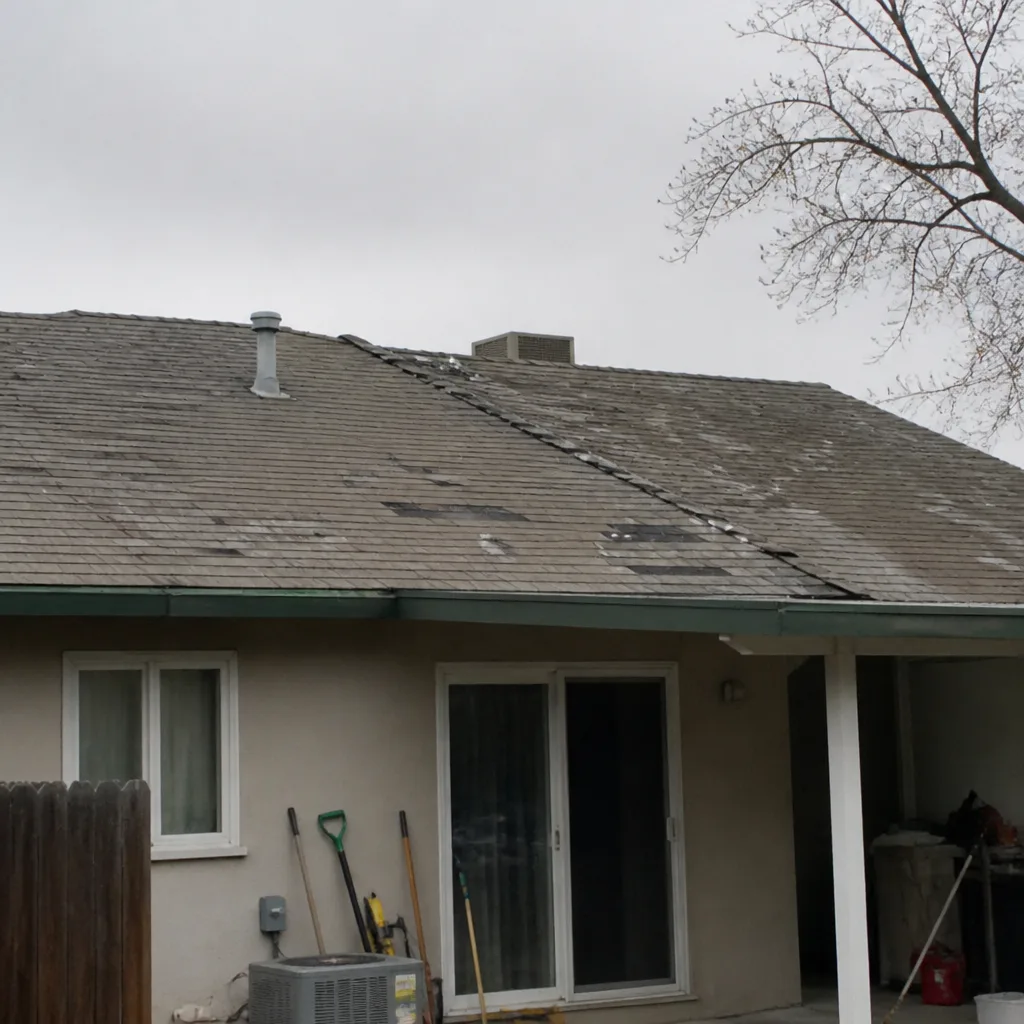 Before
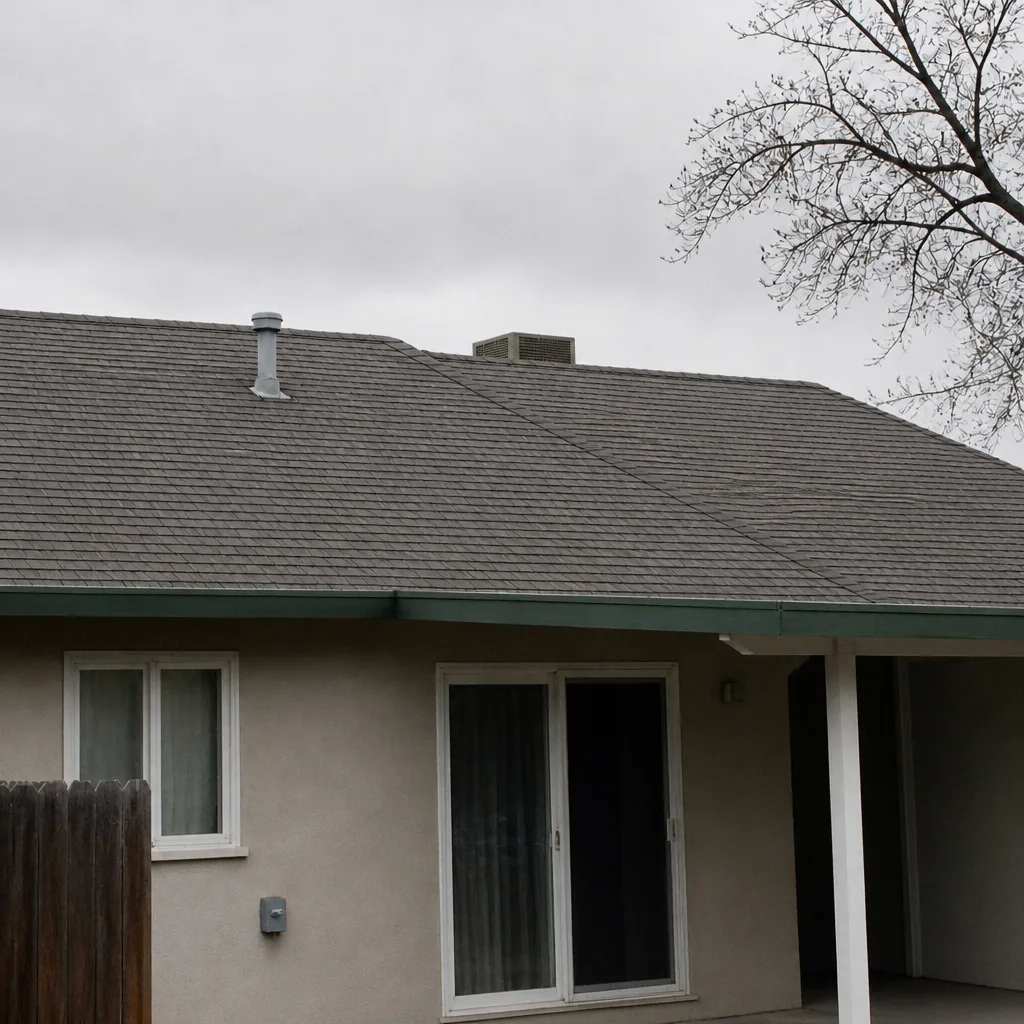 After
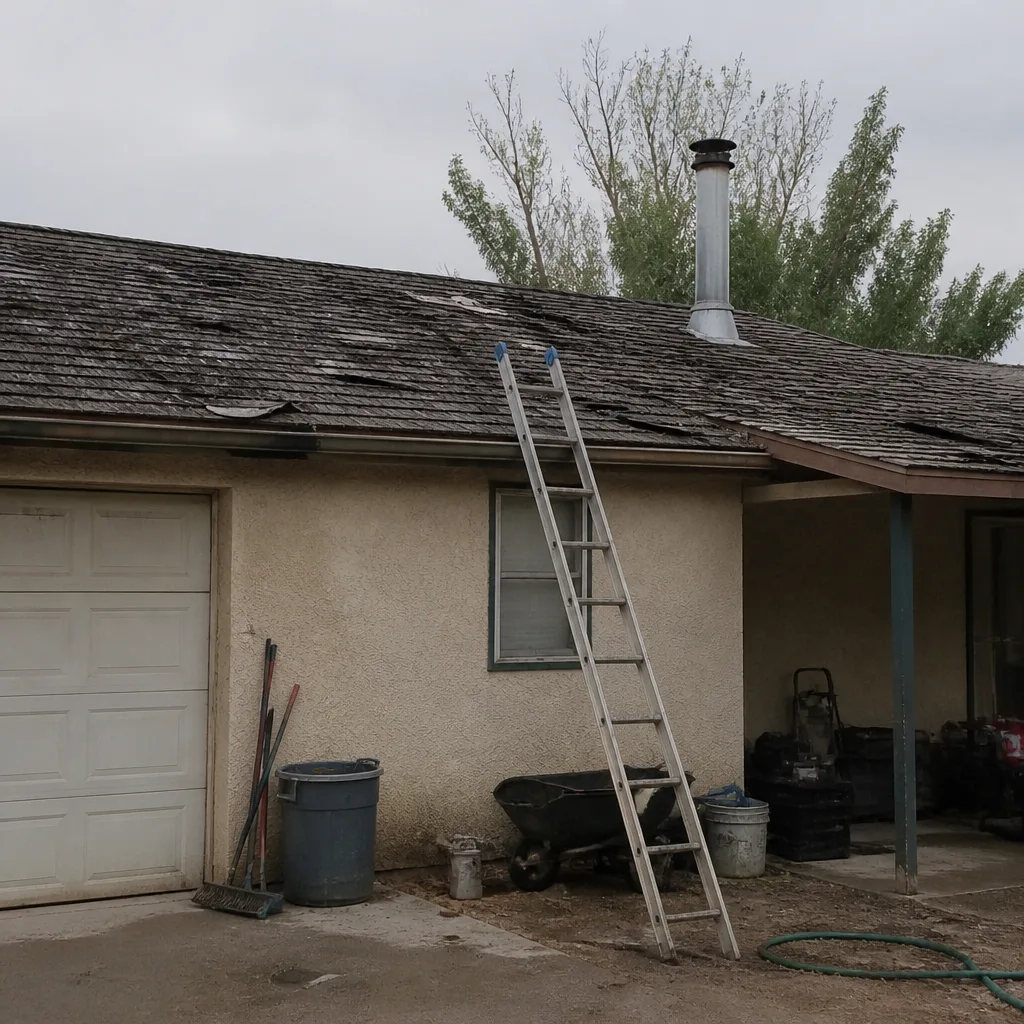 Before
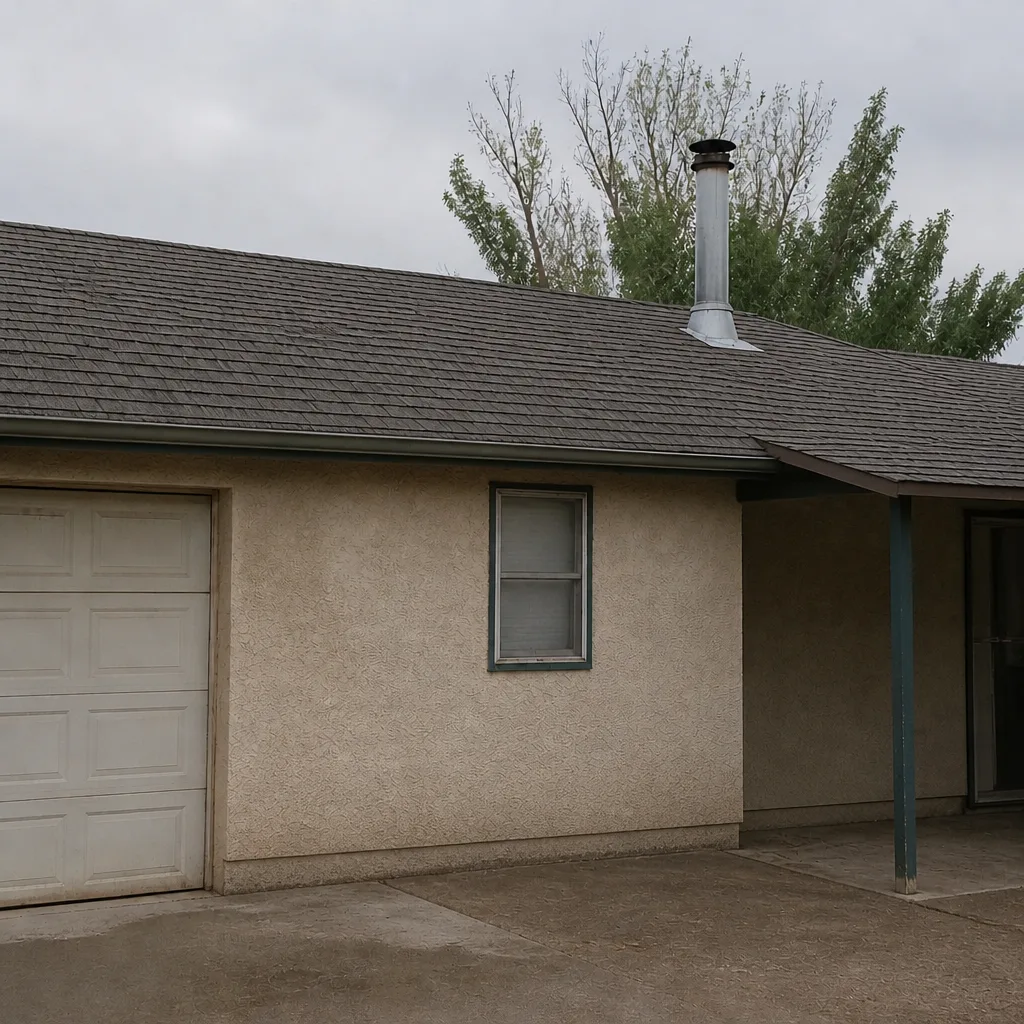 After
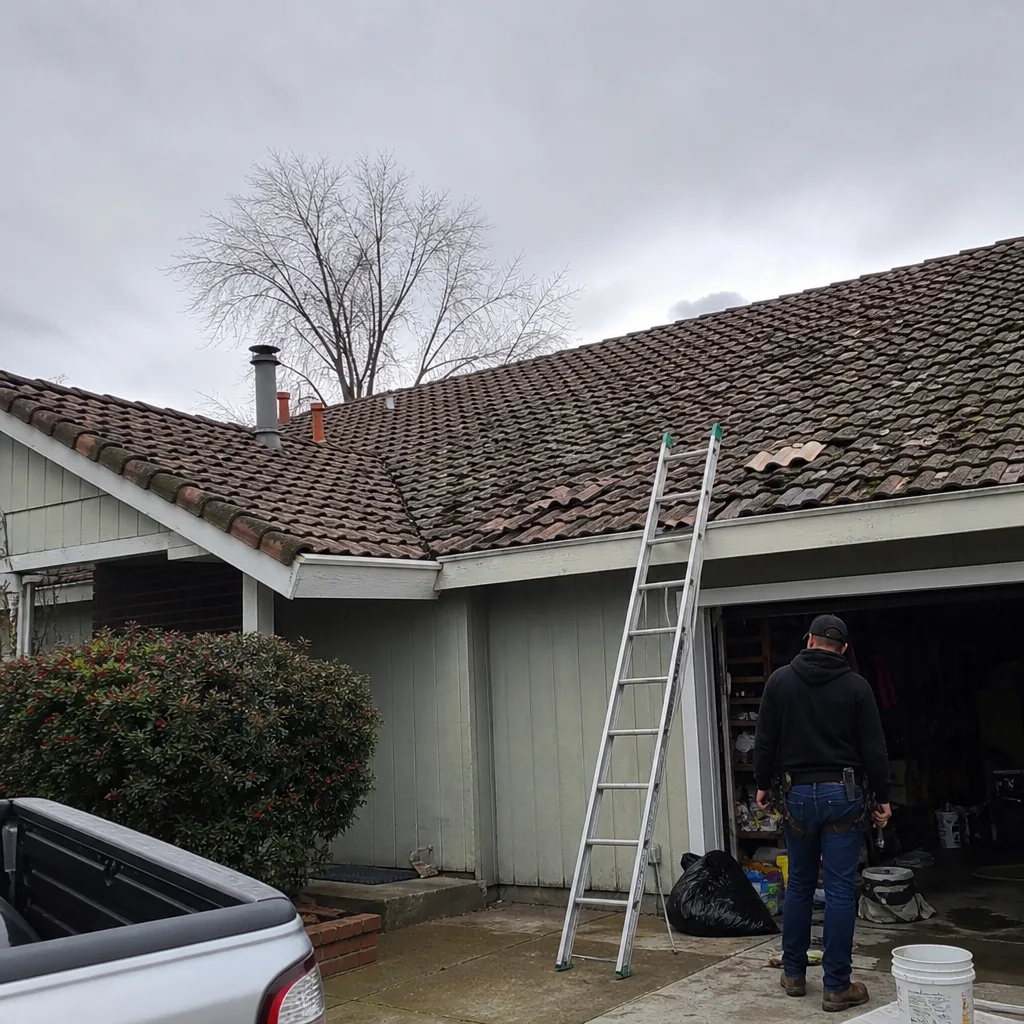 Before
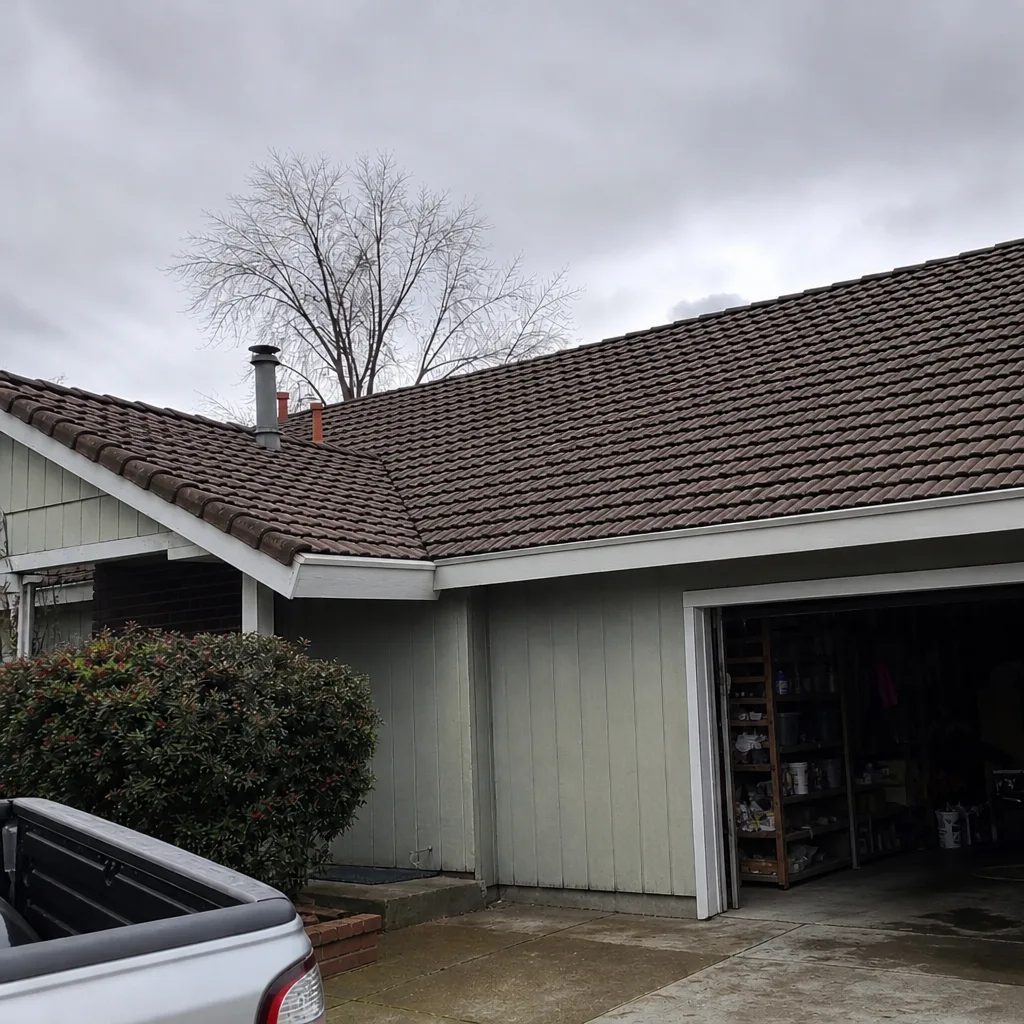 After