
Last updated November 16, 2026
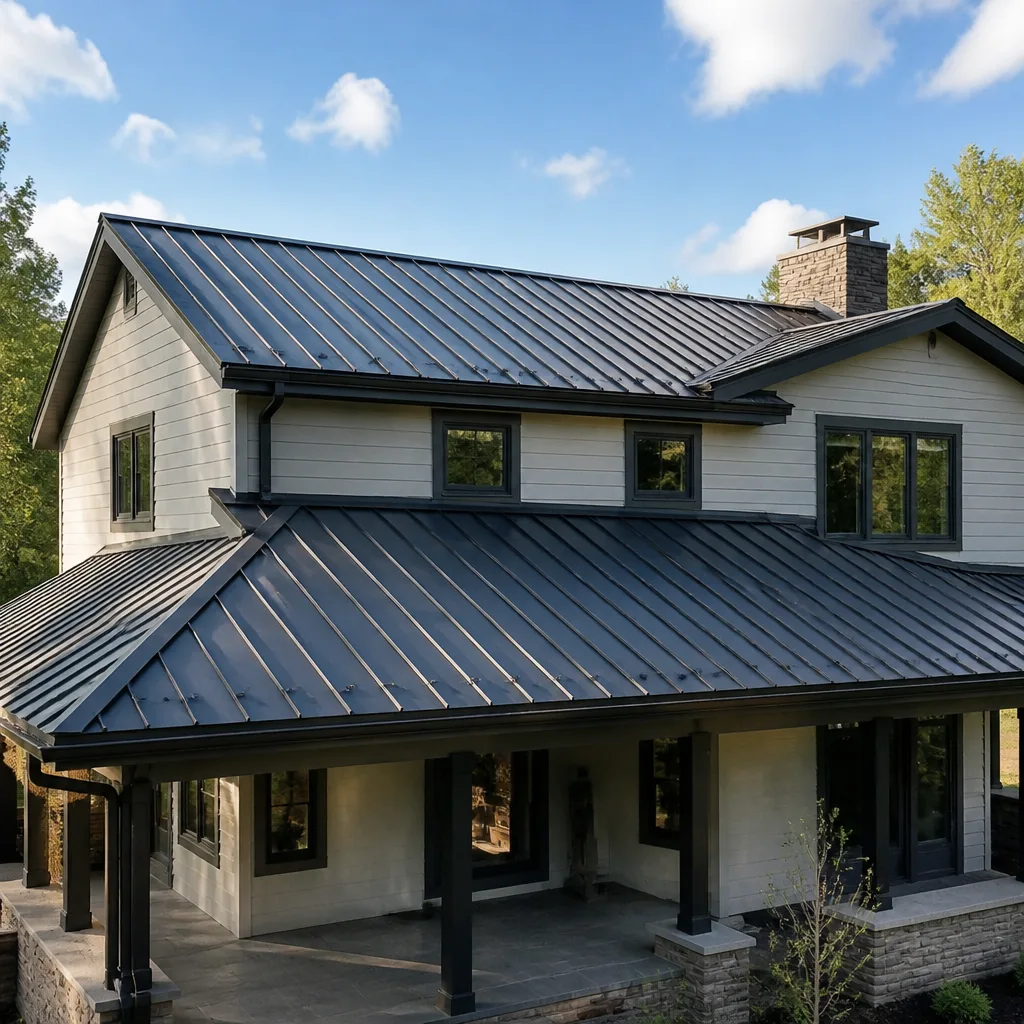 Metal roofing
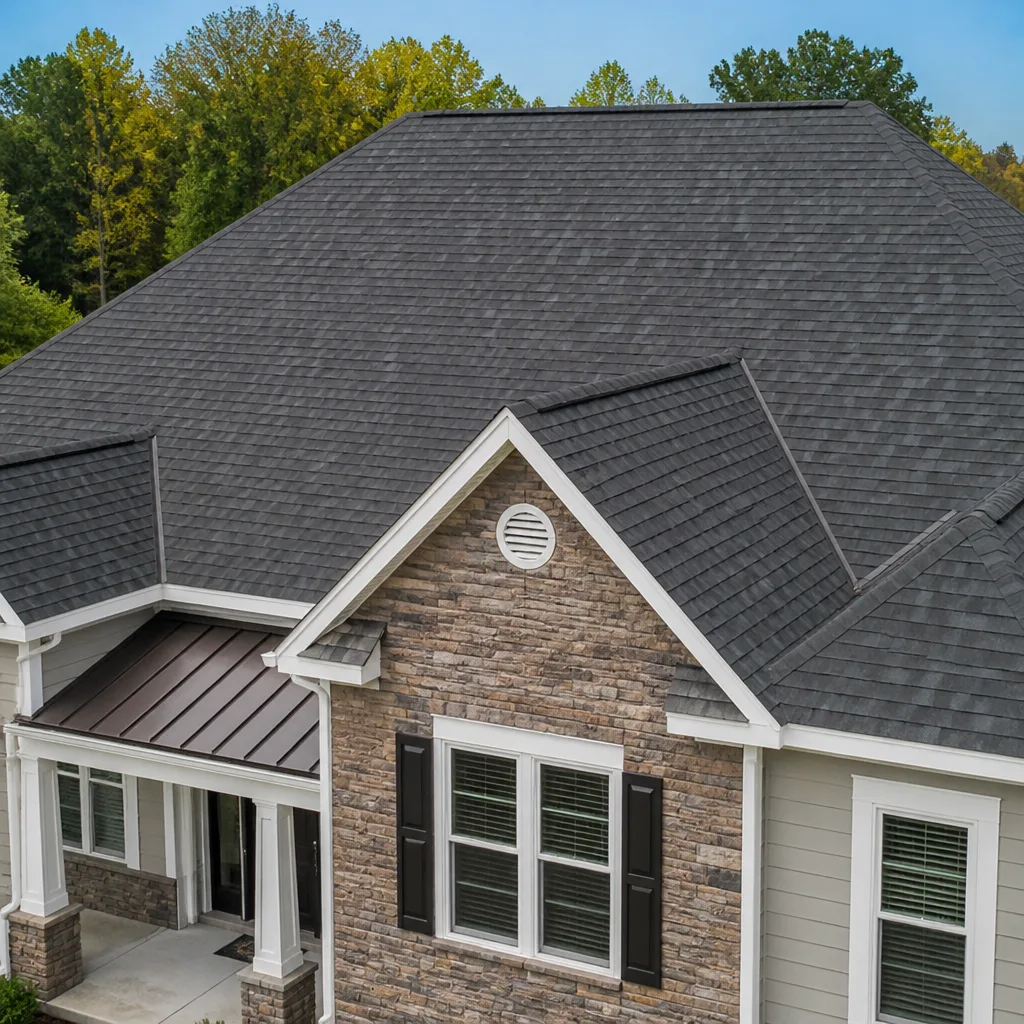 Architectural shingles
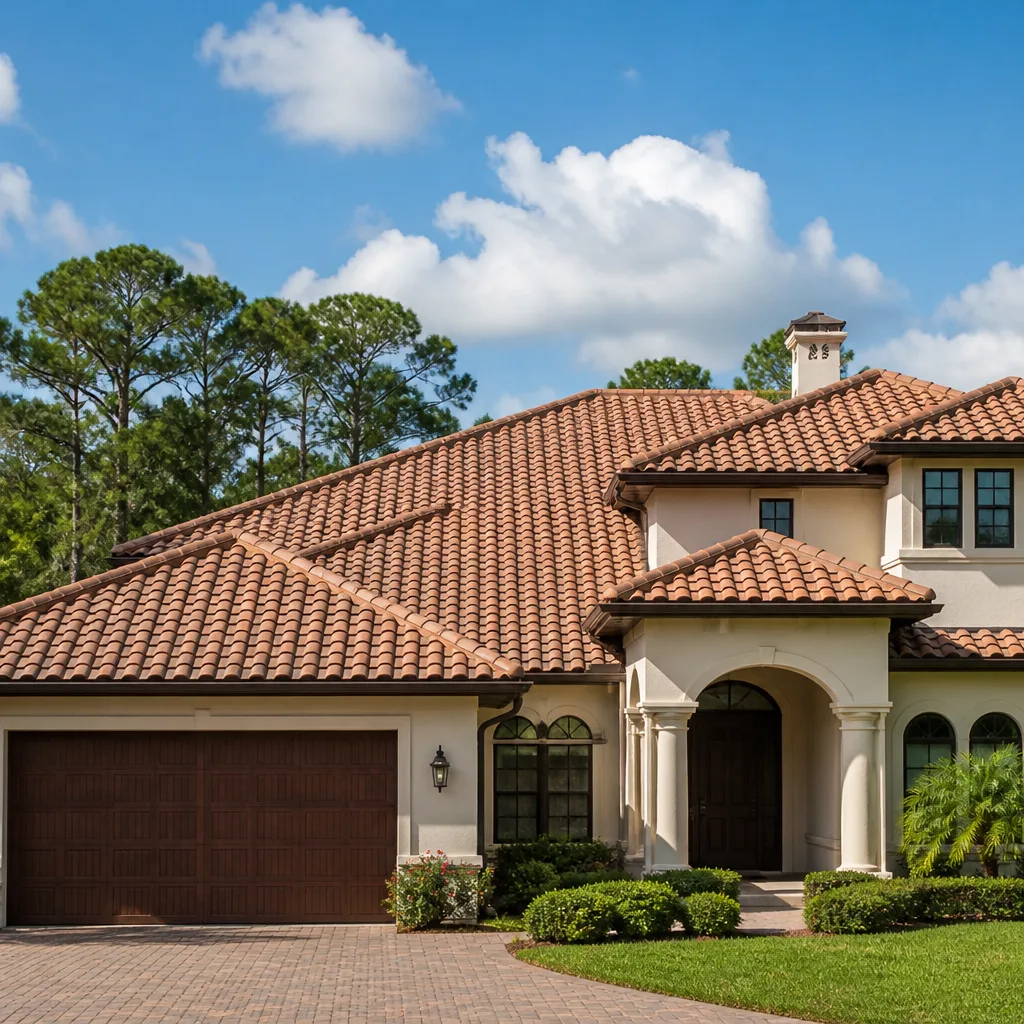 Tile roofing
 GAF
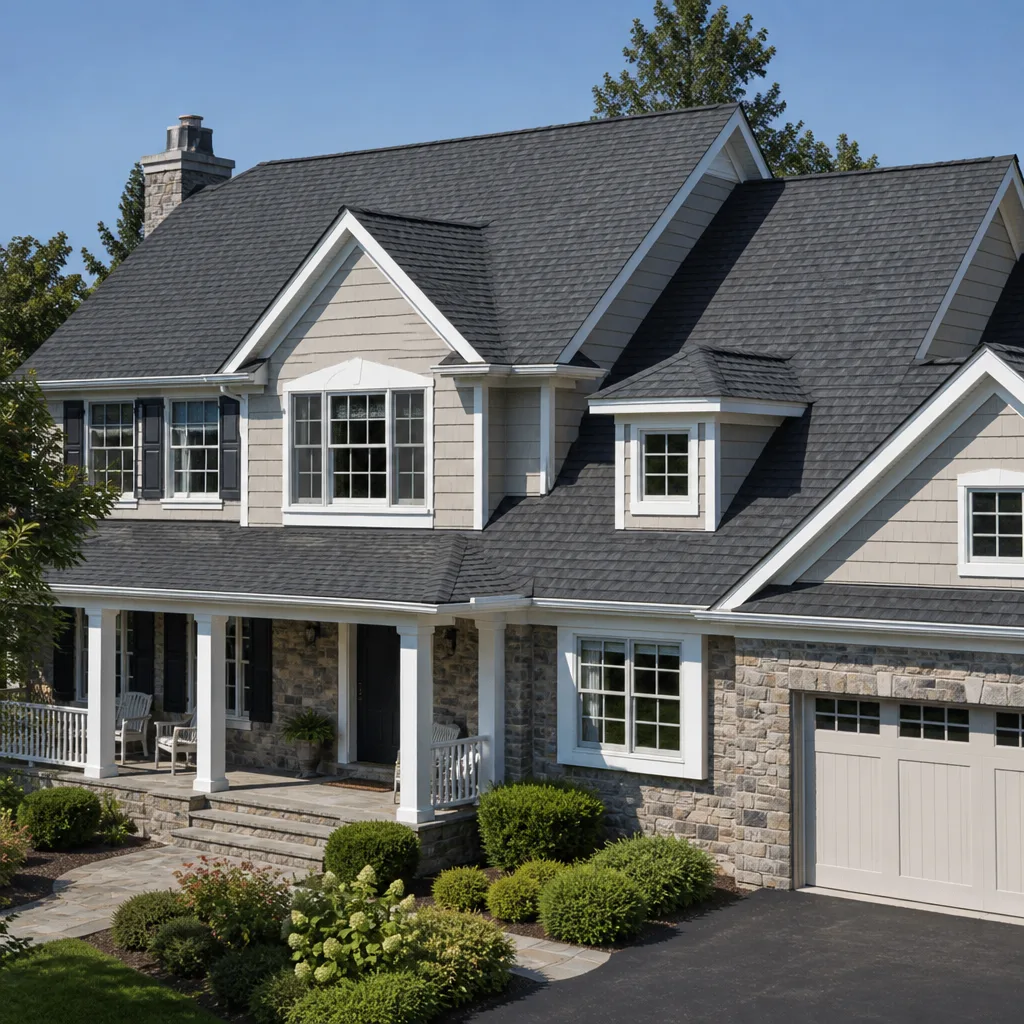 Owens Corning
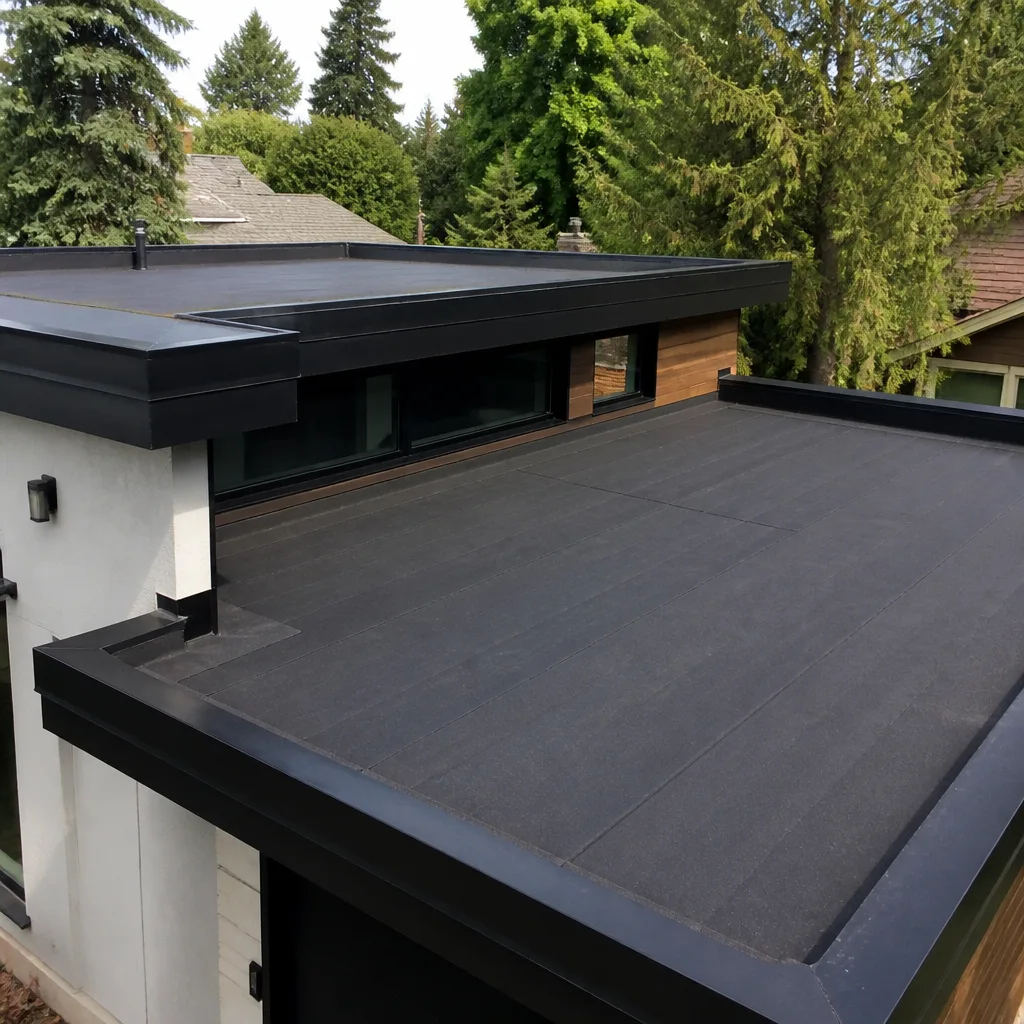 Flat & low-slope
Free roof inspection with deck photos before we talk money - GAF and Owens Corning certified installation
Roofing Cost Breakdown: The Whitney Homeowner’s Reference for 2026
When two quotes for the same Whitney house come back thousands of dollars apart, the honest answer usually isn’t that one roofer is gouging you. It’s that the two bids aren’t describing the same job. One includes decking replacement and the other assumes the decking is fine. One prices tear-off and disposal; the other quietly leaves it out and adds it later as a change order. One carries a permit line; the other doesn’t plan to pull one. The per-square price on the page barely tells you anything until you know what’s inside it. This reference breaks a roofing quote into its parts so you can compare Whitney bids line by line, spot what’s missing, and understand what’s actually driving the number. We’re Roofing Whitney, and we’d rather you understood the math than trusted a bottom line.
Quick Answer
A full roof replacement in Whitney typically runs from around $2.50 to $4.50 per square foot for standard architectural shingles installed, which works out to roughly $250 to $450 per square (a square is 100 square feet of roof surface). Premium shingles, steep pitches, two-story access, decking repairs and permit fees add to that. A targeted repair instead of a full tear-off often makes sense until damage covers roughly a quarter to a third of the roof area, at which point replacement usually costs less per year of remaining life. The written line-item estimate is what sets your final price, not a rule of thumb.
Styles & brands we work with
- Architectural shingles
- Metal roofing
- Tile roofing
- GAF
- Owens Corning
- Flat & low-slope
Table of Contents
- How a Roofing Quote Is Actually Built
- What Shingles Cost Per Square in 2026
- Labor: Pitch, Height, and Access Multipliers
- The Lines Low Quotes Leave Out: Decking, Disposal, Permits, Underlayment
- How Seven Brand Choices Change the Cost Equation
- Repair or Replace? The Cost Threshold That Decides It
- How to Read a Whitney Roofing Estimate Line by Line
- Common Mistakes to Avoid
How a Roofing Quote Is Actually Built
Most contractors hand you one number. That number is a stack of separate costs bundled together, and the bundle is where comparison gets muddy. A roofing estimate in Whitney breaks down into five broad pieces, and every one of them can vary between two bids on the same house.
Here’s what’s inside the number:
- Materials. Shingles, underlayment, starter strip, ridge cap, drip edge, valley flashing, nails, and sealant. Material tier is the single biggest lever you control as a homeowner.
- Labor. Tear-off, decking prep, installation. Labor scales with roof pitch, height, complexity (hips, valleys, dormers, skylights) and how many separate roof planes the crew has to work across.
- Decking. The sheathing under the shingles. Most bids price this as an allowance or a per-sheet rate, because nobody knows how much is soft until the old roof comes off.
- Disposal. Dumpster rental or trailer, hauling, and landfill tipping fees. A tear-off of an average Whitney roof produces several tons of old shingles.
- Permits and overhead. The municipal permit, inspection, and the contractor’s business overhead (insurance, licensing, warranty administration, marketing).
When you compare two quotes, line up these five categories side by side. The bid that looks cheaper is usually the one that’s silent on one or two of them. Our roof replacement estimates itemize every category by name so you can hold them next to any other bid.
What Shingles Cost Per Square in 2026
Roofers price work by the “square,” which is 100 square feet of roof surface. A typical Whitney single-family home has somewhere between 20 and 35 squares of roof. Material cost per square depends almost entirely on which shingle tier you choose.
Here’s roughly how the three tiers track in this market for 2026:
- 3-tab shingles: roughly $80 to $120 per square for materials alone. The entry tier. Thinner, flatter profile, shorter service life than architectural. Fine for a shed or a very tight budget on a low-slope porch roof, but rarely what a homeowner puts on the main house.
- Architectural (dimensional) shingles: roughly $110 to $180 per square for materials. The standard choice for residential roofs in Whitney and most of the country. Thicker mat, dimensional shadow line, longer manufacturer warranties than 3-tab. Most installations we see land in this tier.
- Premium and designer shingles: roughly $200 to $400 per square for materials. Thicker, heavier, often with a slate or shake look. On a steep or complex roof the labor also climbs because they weigh more and cut differently.
Material is only a third to half of the installed cost. The rest is the labor, tear-off, and the items in the next sections. So when you see a per-square price on a bid, ask whether it’s materials only or fully installed – the difference is several hundred dollars.
Underlayment and accessory materials
Underlayment (the water-resistive layer beneath the shingles), starter strip, ridge cap, drip edge, and valley flashing aren’t glamorous line items, but they add up. On a typical Whitney roof, the accessory package usually runs several hundred dollars depending on the roof’s complexity and whether ice-and-water shield is used in the valleys and along the eaves. A bid that lists shingles but none of these is a bid you should question before signing.
Labor: Pitch, Height, and Access Multipliers
Two houses of identical square footage can carry wildly different labor costs. The reasons are physical: how steep the roof is, how high it is, and how much complex geometry the crew has to work around.
Roughly speaking, labor multipliers in the local market trend like this:
- Walkable pitch (low to moderate): standard labor rate. Crews can move efficiently with normal fall protection.
- Steep pitch: a meaningful multiplier, often 15% to 35% higher, because the crew is working on roof jacks, moving slower, and losing efficiency.
- Two-story or higher access: an added setup cost, typically a flat line item, because staging, laddering, and material hoisting take longer.
- Complex geometry (hips, valleys, dormers, skylights, multiple planes): priced either as added labor hours or as a waste factor. More cuts means more material wasted and more time per square.
Decking replacement is the wildcard, and it’s usually priced as a per-sheet rate rather than included in the per-square number. Why? Because no contractor can know how much plywood or OSB is soft, delaminated, or water-damaged under the old shingles until they’re off. A responsible estimate carries a per-sheet decking rate and a stated allowance for the number of sheets expected, plus a clear process for what happens if more is needed.
When you see decking priced separately on a bid, that is not padding. It’s honest. What you want to avoid is a bid that shows no decking line at all, then produces a surprise change order halfway through the job. Ask each contractor how they handle unexpected decking before you sign anything.
The Lines Low Quotes Leave Out: Decking, Disposal, Permits, Underlayment
This is where most of the gap between a $9,000 quote and a $13,000 quote actually lives. The low quote isn’t necessarily a bad roofer; it’s often just a narrower scope. Here are the four lines that most often go missing.
- Decking. No line item means either the contractor is assuming perfect sheathing or he’s planning to bill you for it later. Neither is what you want to discover after tear-off.
- Disposal. Tear-off generates tons of old shingles. Dumpster, hauling, and tipping fees easily add several hundred to over a thousand dollars depending on the dumpster size and local fees. If “disposal” isn’t a line item, ask where the old roof is going.
- Permit and inspection. Most municipalities require a roofing permit for a full tear-off and re-roof, plus at least one inspection. A bid that omits the permit line is either planning to skip it or planning to tack it on. Ask plainly: are you pulling the permit?
- Underlayment and accessories. Shingles only, no underlayment, no drip edge, no ridge cap, no valley flashing. That’s a stripped-down bid that will look cheap on paper and cost you down the road.
A written line-item estimate should show every one of these. If it doesn’t, the missing piece isn’t a freebie – it’s a future invoice. Roofing Whitney builds the estimate from these components so nothing gets added as a surprise. That’s the inspection-first approach: know what your roof actually needs before spending a dollar.
What a proper permit line does for you
Permits add a modest line to the estimate, but they also trigger an inspection by the local code authority, which protects you if the work needs to be corrected later. They document the roof for insurance and for resale. And they force a contractor to demonstrate that the work was done to code. When you get a Whitney estimate, the permit is a named line item, not a baked-in assumption.
How Seven Brand Choices Change the Cost Equation
Once you’ve settled on the architectural tier, the next variable is brand and product line within that tier. This is where the price spread on the same job often runs several hundred to over a thousand dollars depending on which manufacturer’s line you choose. It’s also where a contractor’s brand relationships matter.
At Roofing Whitney we work with seven major manufacturers – GAF, CertainTeed, Owens Corning, IKO, Atlas, Tamko, and Boral. That breadth exists for a practical reason: it lets us recommend the product that fits your roof, your budget, and your goals rather than the one brand a single-relationship roofer is committed to pushing.
What that actually means in dollar terms:
- Entry architectural line: a GAF Timberline-class product or a comparable CertainTeed or Owens Corning line sits at the lower end of the architectural tier. Good warranty, solid performance, the workhorse of the residential market.
- Mid-tier architectural: premium within each brand’s lineup – heavier mats, higher wind ratings in the product spec, longer manufacturer warranties. Usually adds a small premium per square.
- Premium designer and impact-rated lines: products like Boral’s stone-coated steel or the top of GAF’s and CertainTeed’s designer lines. Materials per square can jump substantially. On a steep or complex roof, the labor premium on these products is real too.
Here’s the honest part: on a typical Whitney ranch or two-story, the mid-tier architectural shingle from Tamko, GAF, or CertainTeed is often where the best value sits. The premium lines make sense when you want a specific look, when the roof is large and rarely replaced, or when impact resistance matters to you. Because we can quote across all seven brands, we can show you the price of each on your actual roof rather than guessing at national averages. That’s the “seven leading brands, one focused roofer” advantage in practical terms.
Repair or Replace? The Cost Threshold That Decides It
Not every problem needs a new roof. Plenty of Whitney homes we look at need a targeted repair, not a full tear-off. The trick is knowing when patching stops being the economic choice.
The rough rule of thumb: once damage covers roughly 25% to 30% of the roof area, or once a repair bill approaches a third of the cost of replacement, replacement usually wins on cost per year of remaining service life. Below that, a targeted repair is often the better spend.
Here’s how we think it through:
- Where is the damage? One isolated leak around a vent boot or chimney flashing is a repair. Widespread granule loss, blistering, or curling across multiple roof planes is a replacement.
- How old is the roof? A roof at 60% to 70% of its expected life with one small problem is a repair candidate. A roof near the end of its life with the same problem is not.
- Is the damage concentrated or spread out? Damage on one roof plane that can be isolated from the rest is repairable. Damage crossing valleys or several planes is not.
- Is the decking soft over a broad area? A repair that requires peeling back dozens of squares to fix decking isn’t really a repair anymore. It’s a partial replacement, and full replacement usually costs less per square.
- What’s the cost ratio? If a repair quote is approaching a third of the replacement quote, the math usually points to replacement. If it’s a fifth or less, repair.
This is where a proper inspection matters. Our roof repair assessments give you a straight answer about which side of that threshold your roof is on, backed by photos and a written estimate. And because inspection, repair, and replacement are all under Roofing Whitney, you’re not sent to a second contractor when the answer changes.
How to Read a Whitney Roofing Estimate Line by Line
Any good estimate – from us or from any contractor – should be readable like a shopping list. Here’s the structure to look for when you sit down with a bid.
- Tear-off and disposal. Quantity of old roofing removed, dumpster size, hauling and tipping fees. Confirm what happens if more than one dumpster is needed.
- Decking allowance. Per-sheet rate and expected number of sheets, plus a written description of what happens if more sheets are needed once the deck is exposed.
- Underlayment and accessories. Type of underlayment, whether ice-and-water shield is used in valleys and eaves, starter strip, ridge cap, drip edge, valley flashing, pipe boots.
- Shingle product and quantity. Named product line (not just “architectural shingle”), squares needed, waste factor.
- Labor by section. Labor rate for the main field, any pitch or height multiplier, and how complex features (skylights, dormers, chimneys, second-story access) are priced.
- Permit and inspection. Stated as a line item, with the municipality named and the inspection process described.
- Warranty terms in writing. Manufacturer warranty terms and the contractor’s workmanship terms, spelled out – not just verbally promised.
If any of those seven are missing, that’s a question worth asking before you sign. A bid that isn’t itemized is a bid that’s hard to hold anyone to. Our written estimates show every line so you can hold them next to another bid and see exactly where the difference is.
Common Mistakes to Avoid
- Comparing bottom-line totals without comparing scope. Two numbers on a page mean nothing if one bid includes tear-off, decking allowance, and permit, and the other doesn’t. Always ask for the itemized version before you compare.
- Assuming the lowest bid is the best deal. In most cases the lowest bid is the thinnest scope. The question isn’t “who’s cheapest?” but “who’s quoting the same job at a fair price with everything included?”
- Never asking about decking. Whitney homes range from recent construction to older properties, and decking condition varies widely. If decking isn’t a line item on your bid, ask how the contractor handles it. Get it in writing.
- Skipping the permit question. Most cities in the Whitney area require a permit for a full re-roof. A contractor who plans to skip it is either cutting a corner or exposing you to a real problem at resale.
- Buying on material tier alone. A premium shingle installed poorly performs worse than a standard shingle installed well. Look at the whole package: product, underlayment, flashing, decking, workmanship warranty.
- Not asking which brand and product line by name. “Architectural shingle” is a category, not a product. Ask which specific line – GAF Timberline, CertainTeed Landmark, Tamko Heritage, or another – is on the bid, and look up the product spec yourself.
- Letting a small leak turn into a full tear-off. A pin-hole leak around a vent boot that’s caught early is a small repair. Ignored for two years it can rot decking and turn into a replacement. Get the roof looked at when something shows up.
See the difference
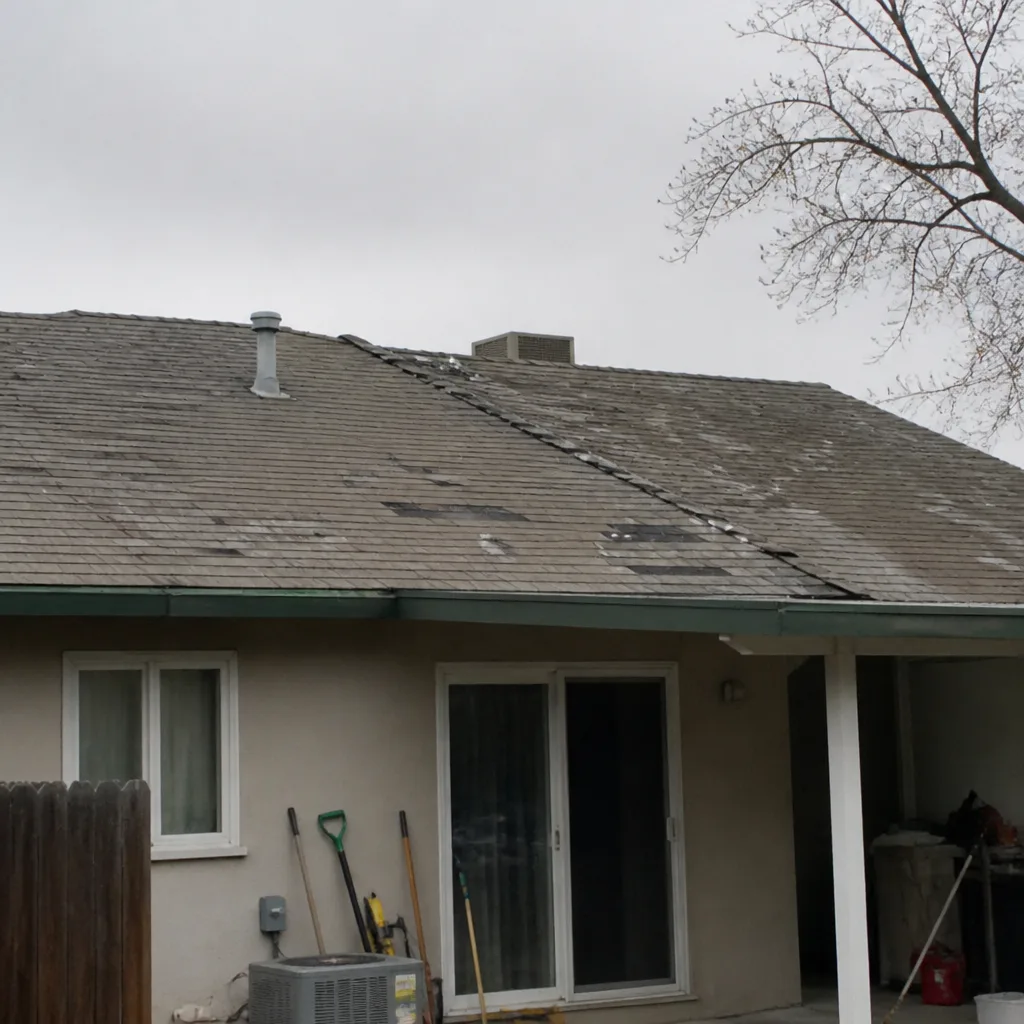 Before
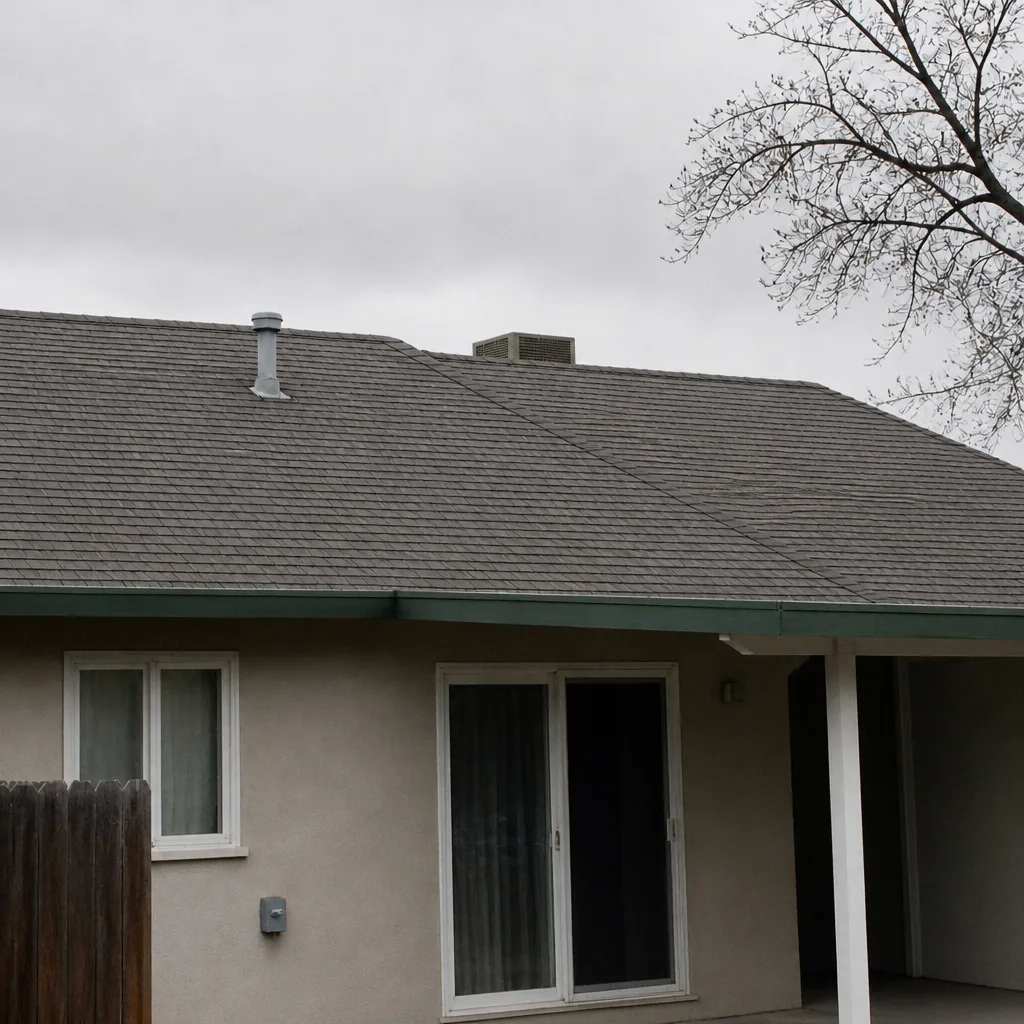 After
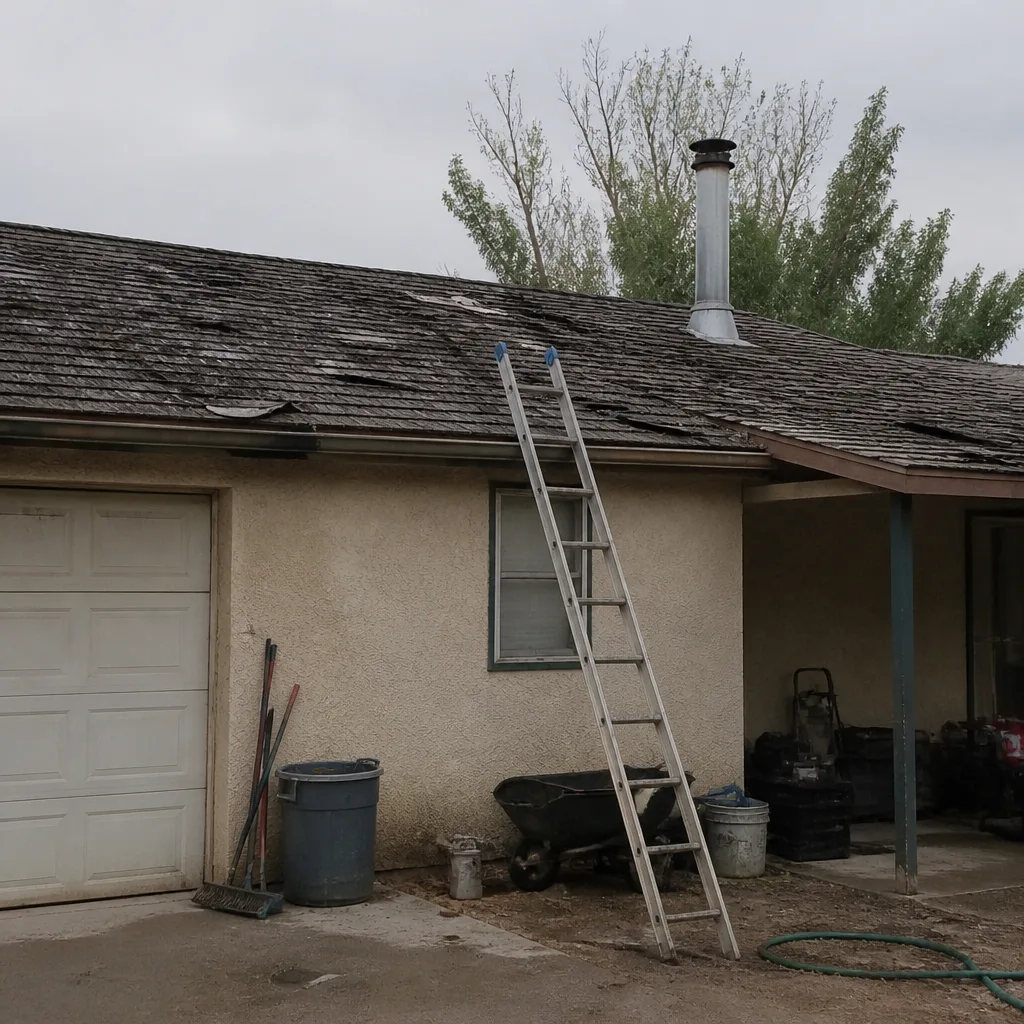 Before
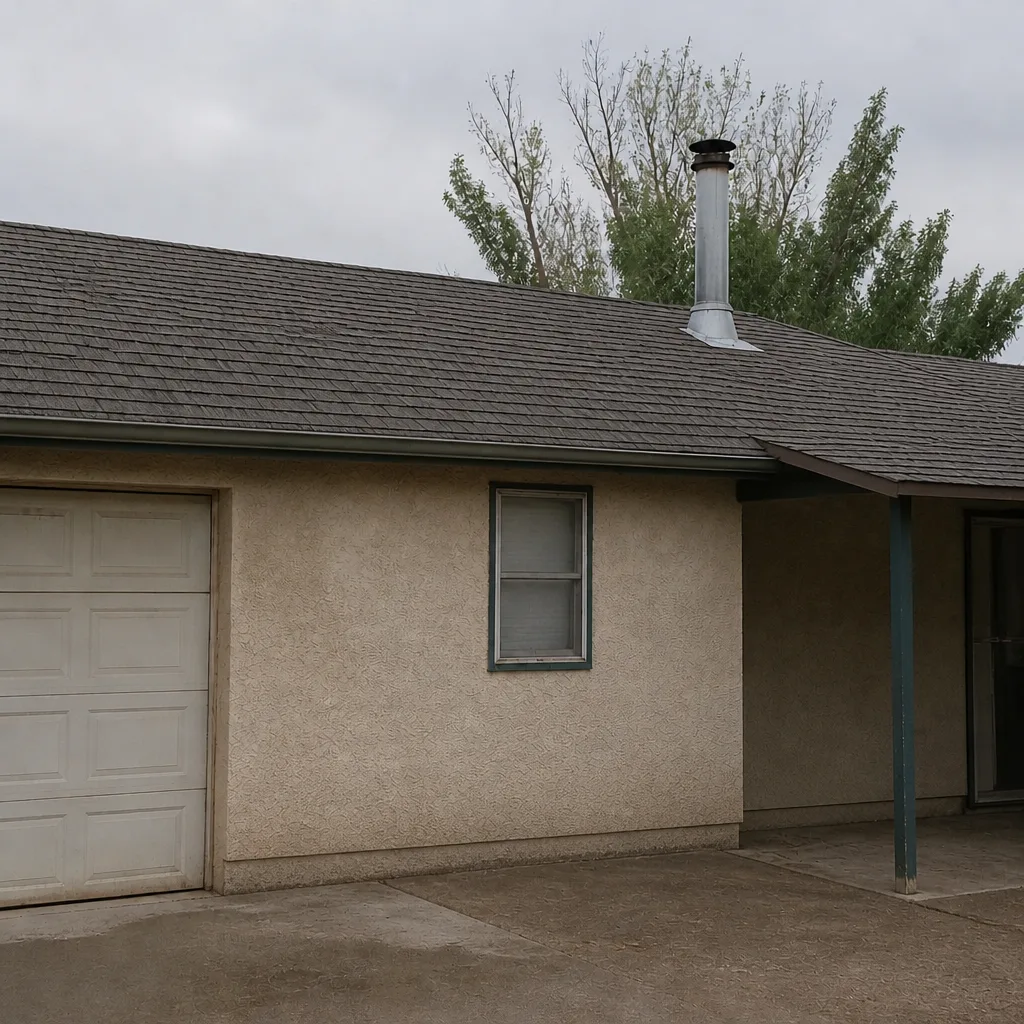 After
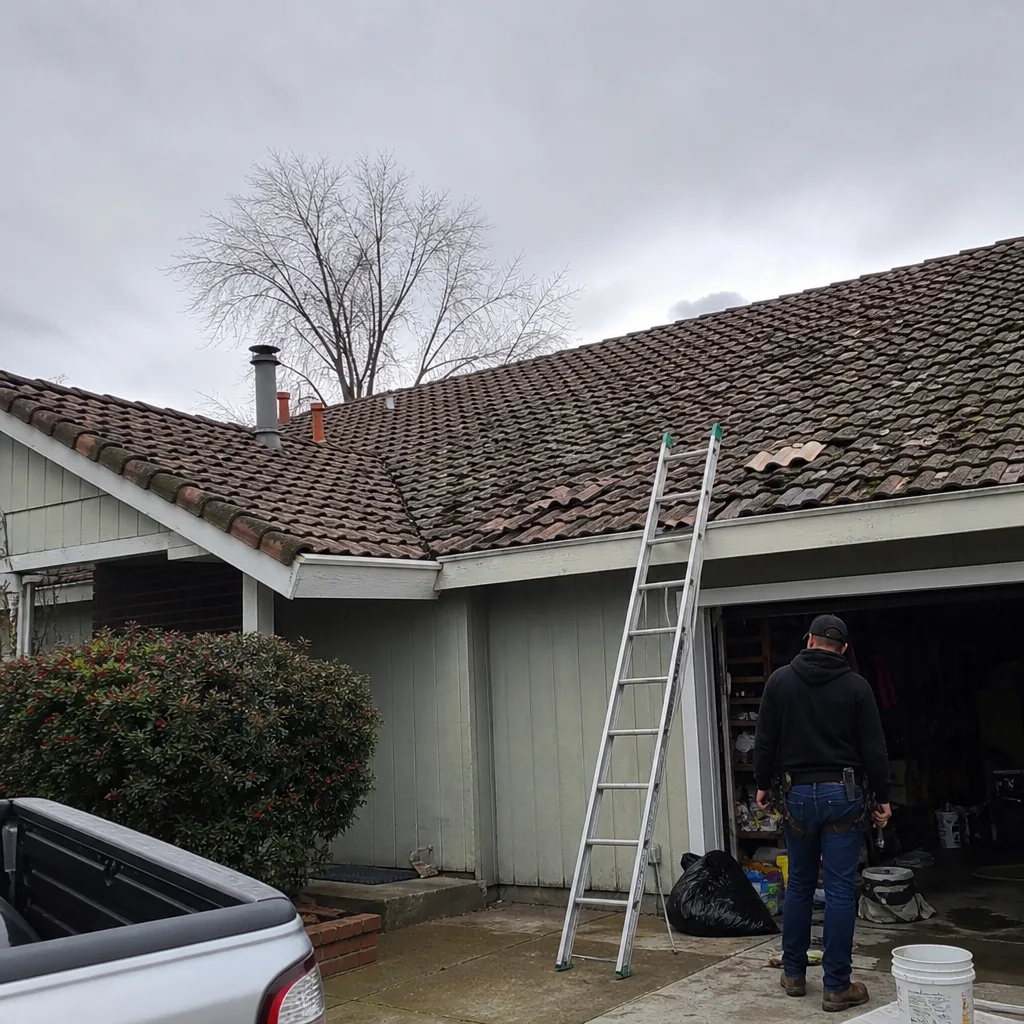 Before
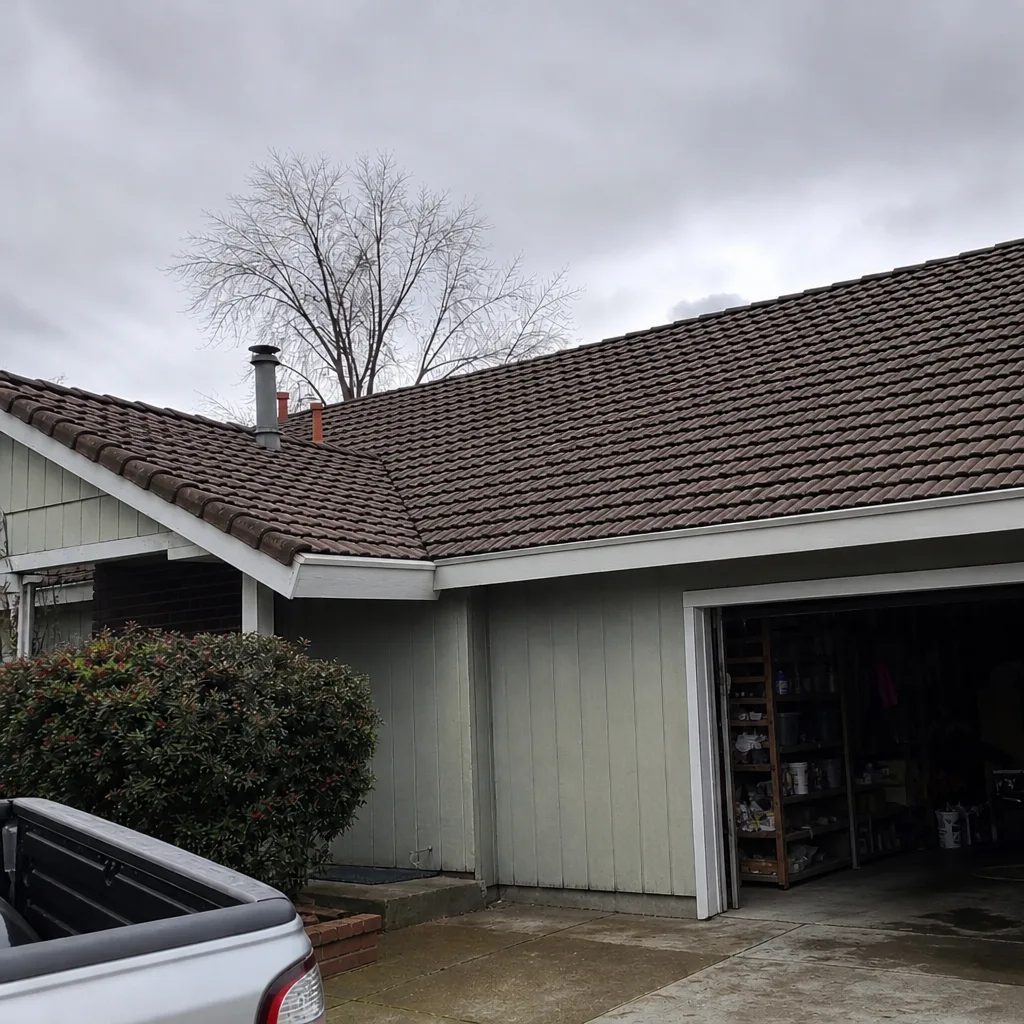 After
When to Call a Professional
Some roofing issues need a trained eye immediately and some can wait for a normal inspection. Call a professional if you see any of the following: active water stains on the ceiling or walls, granules from the shingles piling up in the gutters or at the downspout, visible sagging in the roof deck, curling or missing shingles across a large area, daylight showing through the roof boards in the attic, or a leak that’s started within a few days of heavy rain or wind in Whitney. Also call when you’re planning a sale, since buyers and their inspectors will ask for a roof assessment. Inexperience with a roof that’s two stories up or steeply pitched is a safety issue; height work carries real fall risk and deserves a trained technician with proper fall protection. Roofing Whitney offers free estimates in Whitney – call (844) 320-5203 to schedule one. We answer 24/7. Fast dispatch from 7am to 7pm, Sunday through Friday. A call outside dispatch hours is booked into the next opening.
Frequently Asked Questions
Most full roof replacements in Whitney land between roughly $2.50 and $4.50 per square foot installed for standard architectural shingles, which is about $250 to $450 per square (100 square feet of roof). A typical home with 20 to 35 squares of roof and standard pitch usually comes in at the middle of that range. Premium shingles, steep pitch, two-story access, decking repairs, and permitting all move the number upward. Call (844) 320-5203 for an exact quote on your roof – estimates are free and written line by line.
Because the two bids usually describe different scopes of work, not different prices for the same job. The most common differences are decking allowance (one bid includes it, the other assumes the decking is fine), disposal and dumpster fees, permit line, and underlayment and accessory packages. Rarely is the difference in the contractor’s hourly rate. Ask for itemized estimates from each contractor before you compare bottom lines. We’ll itemize ours line by line so you can see exactly where the difference is – call (844) 320-5203 to schedule.
Most cities require a permit for a full tear-off and re-roof plus at least one inspection by the local code authority. Requirements vary by jurisdiction, so confirm with your city’s building department. A contractor who plans to skip the permit is exposing you to problems at resale and to no documented inspection of the work. Ask every contractor plainly whether the permit is included in the estimate. Roofing Whitney pulls the required permit as a named line on every replacement estimate. Call (844) 320-5203 to schedule a free estimate.
Repair is usually cheaper until damage covers roughly 25% to 30% of the roof area, or until a repair quote approaches about one third of the replacement quote. Below that threshold, targeted repairs extend the roof’s life at lower cost. Above it, replacement costs less per year of remaining service life. Isolated leaks around vents and flashing almost always stay in the repair column. Widespread granule loss, curling shingles across multiple planes, or soft decking over a broad area push toward replacement. Call (844) 320-5203 for a professional assessment – the estimate is free and we’ll give you a straight answer either way.
Material cost per square varies by brand and by tier within each brand. The entry architectural lines from GAF, CertainTeed, Owens Corning, Tamko, and the others sit at the lower end of the architectural tier. Mid-tier premiums add a small per-square amount for heavier mats and longer warranties. Designer and impact-rated lines – including Boral’s stone-coated products – can run substantially higher per square, and steep or complex roofs carry a labor premium on top. Because Roofing Whitney works with seven brands, we can quote multiple product lines on your actual roof, so the recommendation reflects what your roof needs. Call (844) 320-5203 to schedule a free estimate.
The written estimate sets the final price, with one expected exception: decking discovered to be soft after tear-off. That’s why decking is priced as a per-sheet allowance with a stated expected quantity and a clear written process for what happens if more sheets are needed. Everything else on a good estimate is fixed: materials, labor, tear-off, disposal, permit. Ask each contractor how they handle unexpected decking before you sign. Roofing Whitney states the decking allowance and the process in writing so there are no surprise invoices. Call (844) 320-5203 for your free estimate.
The Bottom Line
Roofing quotes are hard to compare because most of them aren’t itemized – the total hides materials, labor, disposal, permits, and overhead behind one number. The way to make a smart decision in Whitney is to demand the itemized version: shingles by name, decking per sheet, disposal, permit, underlayment, labor with pitch and height multipliers, warranty terms. Compare bids line by line, not total to total. Understand that the “cheaper” bid is almost always the thinner one, and the higher one is nearly always covering work the other wasn’t planning to do. Line up the components, ask the plain questions, and the right bid becomes obvious. That’s the whole reason we split every estimate: it’s your roof’s full lifespan on the line, not just this year’s invoice.
Written by the team at Roofing Whitney.
Ready for a real number on your roof? Call (844) 320-5203 for a free, itemized estimate from Roofing Whitney. We answer 24/7. Fast dispatch from 7am to 7pm, Sunday through Friday. Whether you’re comparing bids on a full replacement or want a straight answer on whether a repair will do, we’ll give you the line-by-line breakdown so you can decide with the facts in front of you.