
Last updated November 16, 2026
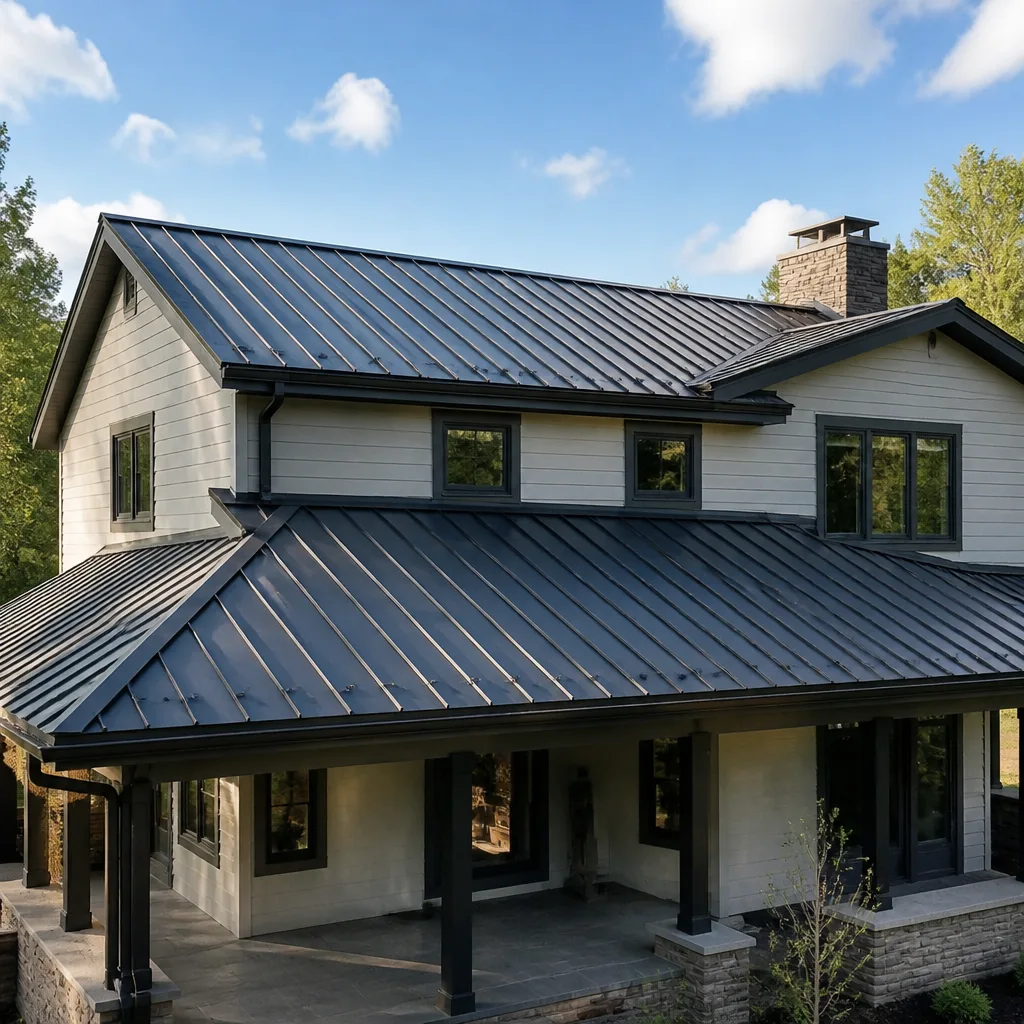 Metal roofing
 Architectural shingles
 Tile roofing
 GAF
 Owens Corning
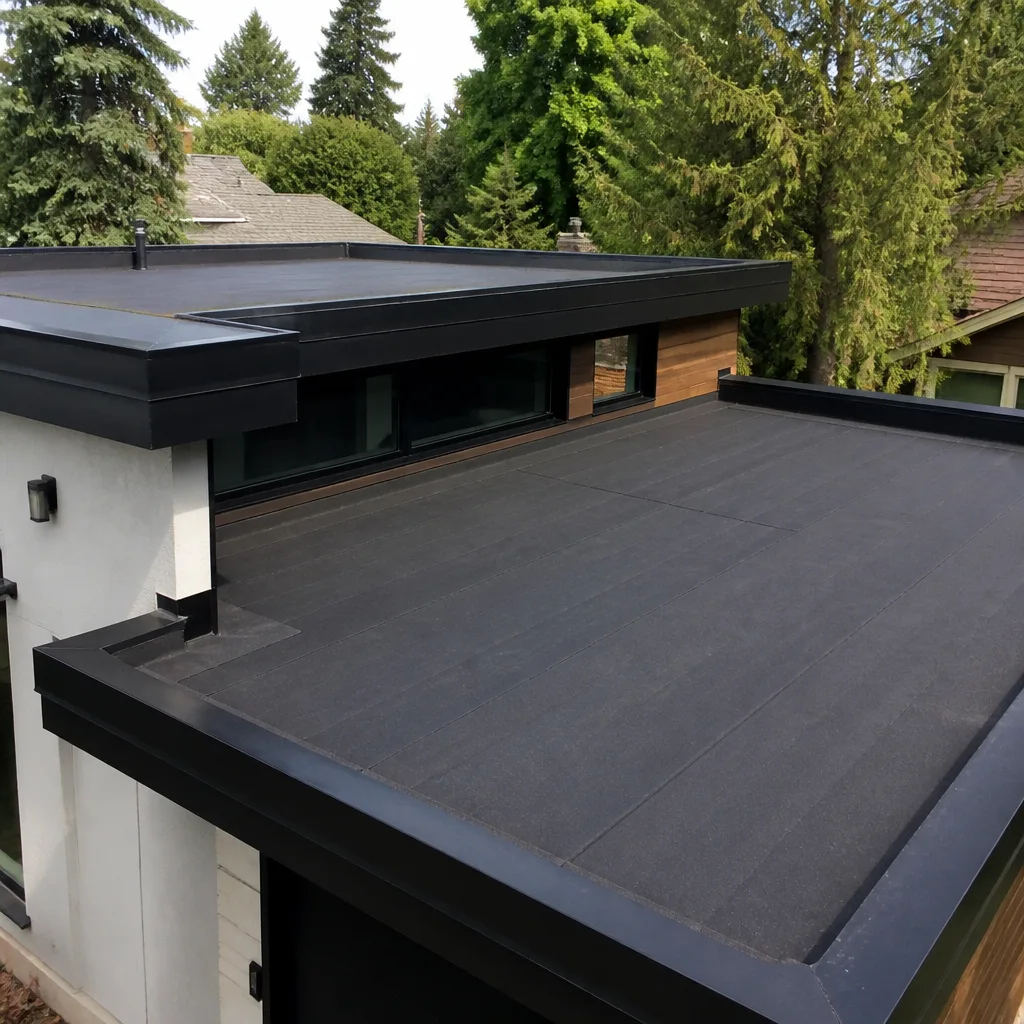 Flat & low-slope
Free roof inspection with deck photos before we talk money - GAF and Owens Corning certified installation
Roofing Warning Signs: A Whitney Homeowner’s Reference Guide
Most roofing warning-sign guides give you the same ten symptoms, and most of them are things you’d have to climb a ladder to find. That’s where they fall short. The signs that actually cost Whitney homeowners the most money are the quiet ones: attic air that smells cooked by July, a granules pattern you can read from the ground, a flashing gap a roof inspection catches and a driveway glance never will. A monsoon-season ceiling stain usually began as a small gap during dry weather, when it was invisible and painless. This guide covers the signs that get overlooked in Whitney, what each one really means, and how to tell cosmetic wear from a genuine problem.
Styles & brands we work with
- Architectural shingles
- Metal roofing
- Tile roofing
- GAF
- Owens Corning
- Flat & low-slope
Quick Answer
The most important roofing warning signs in Whitney are interior and invisible-from-the-driveway problems: attic air that smells overheated, functional granule loss, failed flashing around swamp coolers and rooftop HVAC units, and cracked or cupped shingles that signal the end of a roof’s service life. A roof can look fine from the street and still be one monsoon away from leaking. Acting on these signs early – with a professional inspection – is what separates a targeted repair from a full replacement.
Table of Contents
- Interior Warning Signs Most Homeowners Overlook
- Granule Loss: Cosmetic vs. Functional
- Flashing Failures Around Swamp Coolers and Rooftop HVAC
- What Cracked and Cupped Shingles Actually Mean
- The Two-Story Trap: Signs You Can’t See From the Driveway
- How Whitney’s Climate Ages a Roof
- Roof Age vs. Roof Condition
- A Step-by-Step Warning Sign Check
- Common Mistakes to Avoid
- When to Call a Professional
- Frequently Asked Questions
- The Bottom Line
Interior Warning Signs Most Homeowners Overlook
The ceiling stain is usually the last warning sign to appear, not the first. Long before water reaches drywall, the attic gives you signals that most homeowners chalk up to desert life and ignore. The problem is that a roof is the home’s primary defense layer, and the interior warning signs are the ones that tell you whether that defense is still working.
The most overlooked is attic air that smells “cooked” during the hot months. That warm, stale, almost baked smell isn’t just an inconvenience of Whitney’s summer heat – it’s a ventilation warning. When a roof deck can’t breathe, heat and moisture trap against the underside of the sheathing. Over time, that trapped heat and moisture breaks down shingles faster from below while it degrades the wood decking itself. A roof that can’t vent is aging on two fronts at once, and the smell is your nose catching what the shingles are suffering.
- Cooked attic air in summer – a ventilation failure, not just heat.
- Daylight through the roof boards – a sign the decking has gaps or damage that need a proper look.
- Dark streaks or staining on attic rafters – moisture has been present long enough to leave a mark.
- Water stains on ceilings or walls near the top of the house – the late-stage signal, and the costliest to wait on.
- Sagging ceiling drywall or bubbling paint – moisture is trapped above, not a paint problem.
- Rust on attic nails or fixtures – condensation is building up where it shouldn’t.
If you notice any of these, the smart move is to understand the cause before you spend. That’s exactly the thinking behind our inspection-first approach at Roofing Whitney – know what your roof actually needs before a dollar leaves your pocket.
Granule Loss: Cosmetic vs. Functional
Granules are the sand-like coating on top of asphalt shingles, and they do real work – they shield the asphalt from UV, resist impact, and add a layer of fire resistance. All shingles shed some granules over their life; it’s normal wear. The skill is telling cosmetic loss from functional loss without having to climb up there yourself.
Cosmetic granule loss shows up as a handful of granules in the gutter after a storm, or a slight thinning of the surface that doesn’t expose what’s underneath. Functional granule loss is different. When you can see the darker asphalt base showing through in patches, or the shingle surface feels rough and sandy where it once felt coated, the protection layer is gone. That’s not wear – that’s the shingle being exposed to Whitney’s relentless sun with nothing to shield it.
How to distinguish them
- Look at the gutter, not the shingle. A light dusting of granules in the gutter after heavy wind is normal. A gutter packed with black grit every time it rains is a functional-loss signal.
- Check the shingle face for color depth. Uniform color across the roof is healthy. Dark patches where asphalt shows through mean the granules have worn through.
- Feel a loose shingle edge, not the whole roof. A healthy shingle edge feels gritty. A worn shingle edge feels slick and reveals the base material.
- Look at the shadow of the roof. From the ground, a shingle field that reads flat and blotchy – rather than textured – can mean uniform granule thinning across a whole slope.
Cosmetic loss can wait; functional loss is the point where remaining years start dropping fast. The words “granule loss” on an inspection report are only useful if someone tells you which kind you have.
Flashing Failures Around Swamp Coolers and Rooftop HVAC
Flashing is the metal that seals the joints where the roof meets something else: a wall, a vent, a chimney, a piece of equipment. It’s the most common leak point on any roof, and in Whitney’s housing stock the flashing that fails most often sits around swamp coolers and rooftop HVAC units. That housing characteristic – equipment bolted straight to the roof, with a penetration calling for a careful seal – is what makes it a roof problem and not just an appliance problem.
When a swamp cooler or HVAC unit is mounted on the roof, that penetration has to be properly flashed and sealed. But desert sun bakes the sealant, expansion and contraction work it loose, and the flashing can crack or lift without ever announcing itself. The leak usually begins small. During dry Whitney weather, water never reaches it, so you never see a problem. Then monsoon season arrives and the water finds the gap all at once. The first sign is a ceiling stain that seems to come from nowhere – and it traces back to a flashing failure that sat invisible through months of dry weather.
- Lifted or cracked sealant around the base of rooftop units.
- Missing or rusted flashing collars where a vent pipe exits the roof.
- Water stains on the ceiling directly below a rooftop unit – the classic monsoon-season signal.
- Loose or torn flashing at wall-roof intersections on addition rooflines.
- Gaps where the flashing meets the shingles along any penetration.
Flashing work is best diagnosed by a trained eye that knows where to look on a Whitney roof. It’s one reason professional roof repair often starts with a close look at the flashing – not the shingles.
What Cracked and Cupped Shingles Actually Mean
Cracked, cupped, and curled shingles get misread constantly – by sellers, by buyers, and by homeowners hoping the roof will hold one more season. Here’s what those words actually mean for remaining service life, versus what they don’t.
A cupped shingle is one whose edges curl upward, like the rim of a bowl. A curled shingle is one whose edges lift or bend away from the roof line. Both happen from age, heat cycling, and under-ventilation – and both are the shingle losing its flat seal against the deck. Once shingles cup and curl, they catch wind at their edges, they let water under their laps instead of shedding it, and they fail faster every year. That’s a functional signal, not a cosmetic one. Cracked shingles are similar – the crack is a break in the protective surface, and every crack is a place water can enter.
Here’s the misconception worth correcting. A buyer often assumes that any cracked or cupped shingle means the whole roof is toast and shouldn’t be touched by anything but a full replacement. A seller often assumes the opposite – that it’s cosmetic and will pass an inspection. Both are oversimplifications. A roof with a handful of cracked shingles on one slope may have years of service life left with a targeted repair. A roof with cupping across multiple slopes and visible wear at the valleys is often nearer the end of its useful life than a driveway glance suggests. The only honest way to know is a proper inspection that reads the pattern, not just the count.
When the answer truly is replacement, brand choice matters, and we work with roof replacement across seven leading manufacturers – CertainTeed, Owens Corning, IKO, Atlas, GAF, Tamko, and Boral – so the recommendation fits your home and budget rather than a single-brand arrangement.
The Two-Story Trap: Signs You Can’t See From the Driveway
This is the part of a warning-sign check that a visual scan from the driveway almost always misses. On a single-story Whitney home, you can see a good deal of the roof from the sidewalk. On a two-story home, most of the warning signs live on the upper slopes, the rear planes, and the valley between rooflines, and none of those are visible from ground level.
What you can’t see from the driveway:
- The rear slope. The side of the roof facing away from the street takes the afternoon sun and the weather it never gets credit for. It can be years ahead of the slope you see.
- The valleys. Where two roof planes meet, water concentrates. Valley wear and debris accumulation rarely show from the ground.
- The ridges and upper field. Wind-driven damage and lifted shingle edges at the top are often the first thing lost and the last thing spotted.
- Flashing around rooftop equipment. Swamp cooler and HVAC penetrations are usually tucked out of sight on the upper roof.
- Deck condition beneath the shingles. No ground-level look can read the wood underneath.
The two-story trap is why “it looks fine from here” is not a diagnosis. It’s also why a professional assessment is the right starting point on a two-story Whitney home. An inspector gets on the roof and reads the whole roof, not the third of it that the driveway reveals.
How Whitney’s Climate Ages a Roof
Whitney is desert heat and hard monsoon season in the same year, and a roof has to survive both. The dry heat is the slow grind – UV exposure breaks down shingles and sealant day after day, and there’s no rain to cool the surface, so roof temperatures run far above air temperature in summer. That’s what makes the ventilation trap so serious: heat that can’t escape the attic has to go through the roof deck and shingles.
Then the monsoon arrives. The heat has already cracked the sealant and lifted the flashings; now the water finds every gap. This is the pattern worth understanding: dry weather hides the problem, and wet weather reveals it. It’s why a leak shows up during monsoon season when it started as a flash gap six months earlier.
Because of this cycle, the signs to watch for cluster around the two seasons. The dry side is ventilation and granule loss. The wet side is flashing, valleys, and interior stains. A roof that’s been “fine” through the dry months isn’t proven – it’s untested until the first real rain.
Roof Age vs. Roof Condition
Roof age tells you what to expect. Roof condition tells you what you actually have. They’re often not the same thing, and confusing them is one of the most expensive mistakes a homeowner can make.
A younger roof with a ventilation problem and a poorly flashed rooftop unit can be in worse functional shape than an older roof that’s been well vented and maintained. And an older roof with a handful of cosmetic granule loss and sound shingle field may still have useful service life. The takeaway: don’t let a number decide for you. Condition, not age, is what you’re buying an inspection for.
- Age is a planning tool. Knowing your roof is near the end of its expected life tells you to inspect more often – it doesn’t tell you to replace today.
- Condition is the decision tool. Ventilation, flashing, granule type, and shingle pattern are what point to repair or replacement.
- A seller’s “new roof” claim is worth verifying with a professional look, not just trusting the date.
If you’re weighing repair against replacement, that’s a conversation an inspection should answer. Our team at Roofing Whitney has technicians with up to 9 years of experience reading exactly this kind of decision, and an inspection gives you a clear picture before any work is recommended.
A Step-by-Step Warning Sign Check
Here’s a practical sequence for a homeowner who wants to stay ahead of a problem without getting on the roof.
- Start inside the attic. Note the smell, look for daylight, and check for dark streaks or staining on rafters. This is where the earliest signs live.
- Check the ceilings and upper walls. Look for staining, bubbling paint, or sagging drywall, especially under rooftop units.
- Scan the gutters after the first rain. A heavy accumulation of black grit signals functional granule loss.
- Look at the roof from the ground at two angles. Check from the front and the back, since the rear slope hides from the street. Note any blotchy, flat patches or lifted edges you can see.
- Check the home’s ventilation. If the attic feels hotter than the outdoors in summer, that cooked-air smell is a signal worth acting on.
- Schedule a professional inspection. Get the roof read from above, including flashing, valleys, and deck condition – the parts the ground check can’t reach.
A Whitney home deserves this sequence every year before the wet season, not just after a leak appears.
Common Mistakes to Avoid
- Waiting for a leak before you inspect. The leak shows up in monsoon season, but the cause was set months earlier in dry weather. An inspection in the dry months is how you catch it first.
- Treating all granule loss as cosmetic. A dusting of granules in the gutter is normal; asphalt showing through the shingle is functional loss. Confusing the two costs shingles their remaining service life.
- Reading a two-story roof from the driveway. The upper slopes, rear planes, and valleys are where the problems hide – a ground scan sees maybe a third of the roof.
- Assuming a young roof is a safe roof. A poorly vented attic can age a roof fast, no matter what the install date says.
- Letting a seller’s roof claim stand unchecked. “New roof” is worth verifying with an inspection before you buy a Whitney home.
- Ignoring the smell in the attic. Cooked air in summer is a ventilation failure, and ventilation failures wear a roof from inside out.
- Skipping the flashing around rooftop equipment. Swamp cooler and HVAC penetrations are the most common leak points in Whitney, and they’re easy to overlook.
When to Call a Professional
Call a professional when you notice any of the signs in this guide that you can’t resolve from the ground, and especially when you see water staining on a ceiling, cooked attic air, functional granule loss, or flashing damage around rooftop equipment. Also call if your roof is a two-story home where the signs you’re looking for are above your sight line, or if you’re evaluating a Whitney home before a purchase. A proper inspection reads the whole roof, not the parts the driveway shows. Roofing Whitney offers free estimates in Whitney – call (844) 320-5203 to schedule an assessment. Knowing what your roof actually needs before spending a dollar is the whole point.
Frequently Asked Questions
The earliest signs are usually interior and invisible to a driveway glance: cooked attic air, dark streaks on attic rafters, and granule loss in the gutters. Ceiling stains typically come later, after a flashing gap has been exposed to monsoon rain. Call (844) 320-5203 for an inspection – estimates are free.
Serious granule loss means the darker asphalt base is visible through the shingle surface, or the gutter fills with black grit after each rain. A light dusting of granules after a storm is normal wear. When asphalt shows through, the shingle has lost its protection layer and is aging fast – an inspection will tell you which kind you have.
That cooked smell is a ventilation problem. When a roof deck can’t breathe, heat and moisture trap against the underside of the sheathing, and the shingles break down from below. It’s not just a desert inconvenience – it’s a warning that the roof is aging on two fronts. A professional look can confirm whether venting is failing.
No. A handful of cracked shingles on one slope may only call for a targeted repair, while cupping across multiple slopes usually signals nearing the end of service life. What matters is the pattern, not a single shingle. An inspection reads the pattern and gives you a clear picture before any work is recommended.
Flashing seals the penetration where rooftop equipment meets the roof, and it’s the most common leak point on a Whitney home. Desert sun bakes the sealant, expansion works it loose, and the leak stays invisible during dry weather – then shows up as a ceiling stain when the monsoon arrives.
You can check the interior, the gutters, and the visible roof from the ground, which catches real signals. But the upper slopes, rear planes, valleys, and flashings on a two-story home can’t be seen safely from the ground. A professional inspection reads the whole roof from above without putting you at risk.
The Bottom Line
The signs that cost Whitney homeowners the most are the quiet ones: cooked attic air, functional granule loss, flashing failures around rooftop equipment, and cracked or cupped shingles on the upper roof. None of them announce a leak; all of them represent the roof quietly losing its defense. The fix is early action – a proper inspection that reads the whole roof, not the driveway view. With technicians who have up to 9 years of experience, our team at Roofing Whitney can help you tell a targeted repair from a replacement decision, across seven leading brands. Call (844) 320-5203 for a free estimate. We answer 24/7. Fast dispatch from 7am to 7pm, Sunday through Friday.
Written by the team at Roofing Whitney.
See the difference
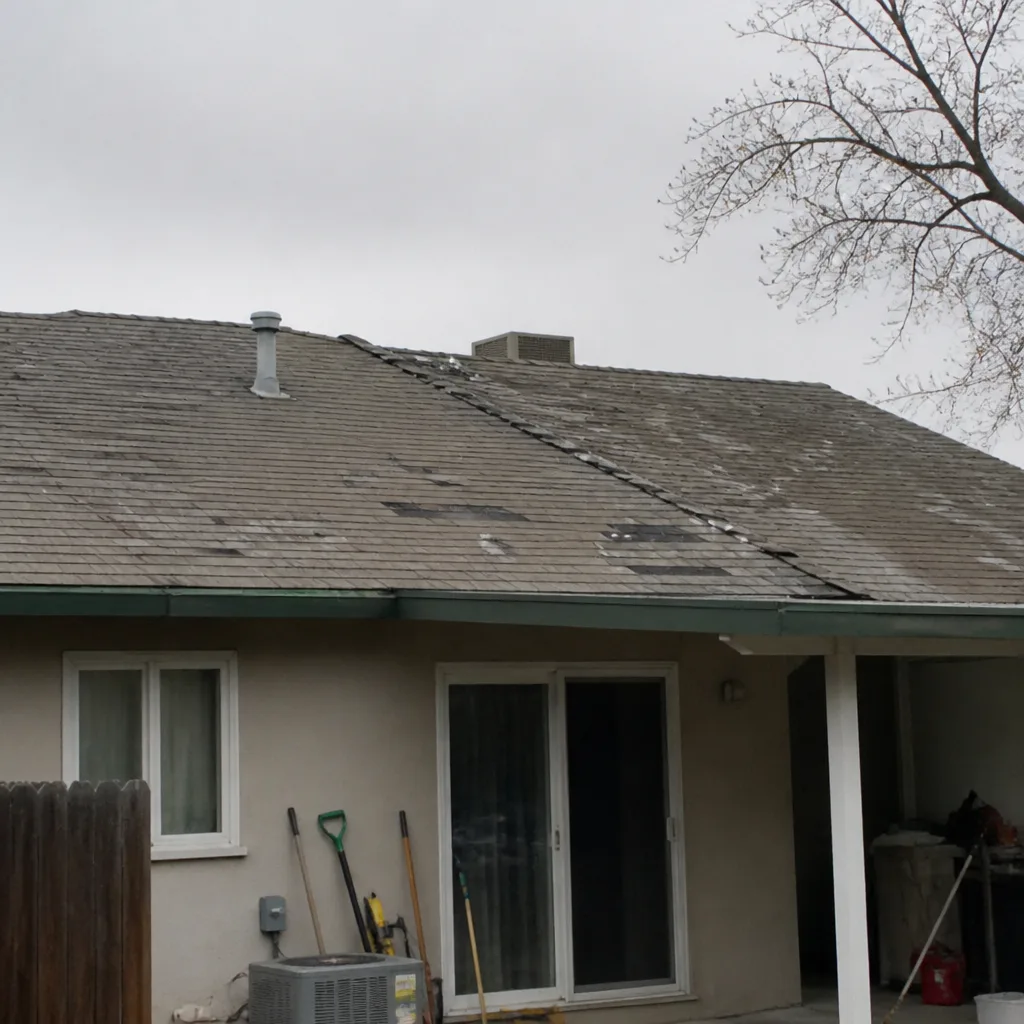 Before
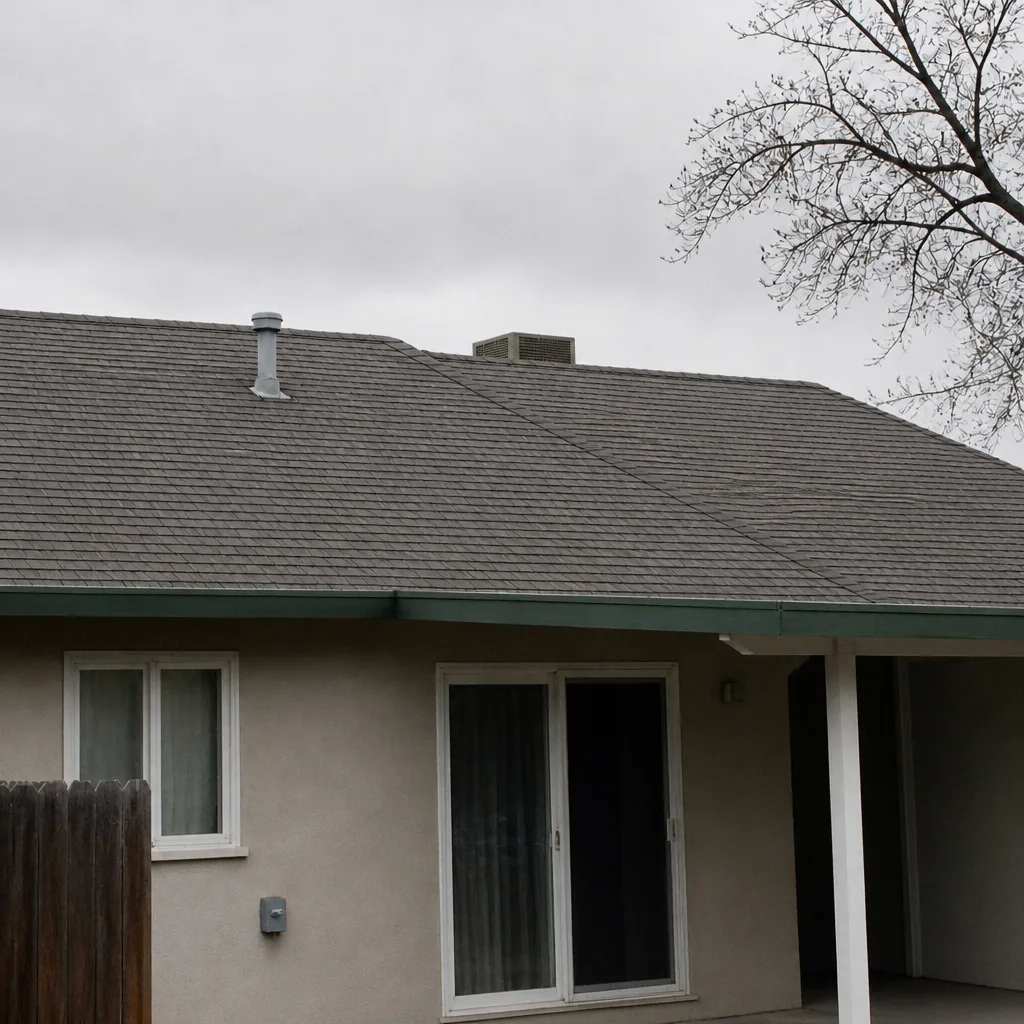 After
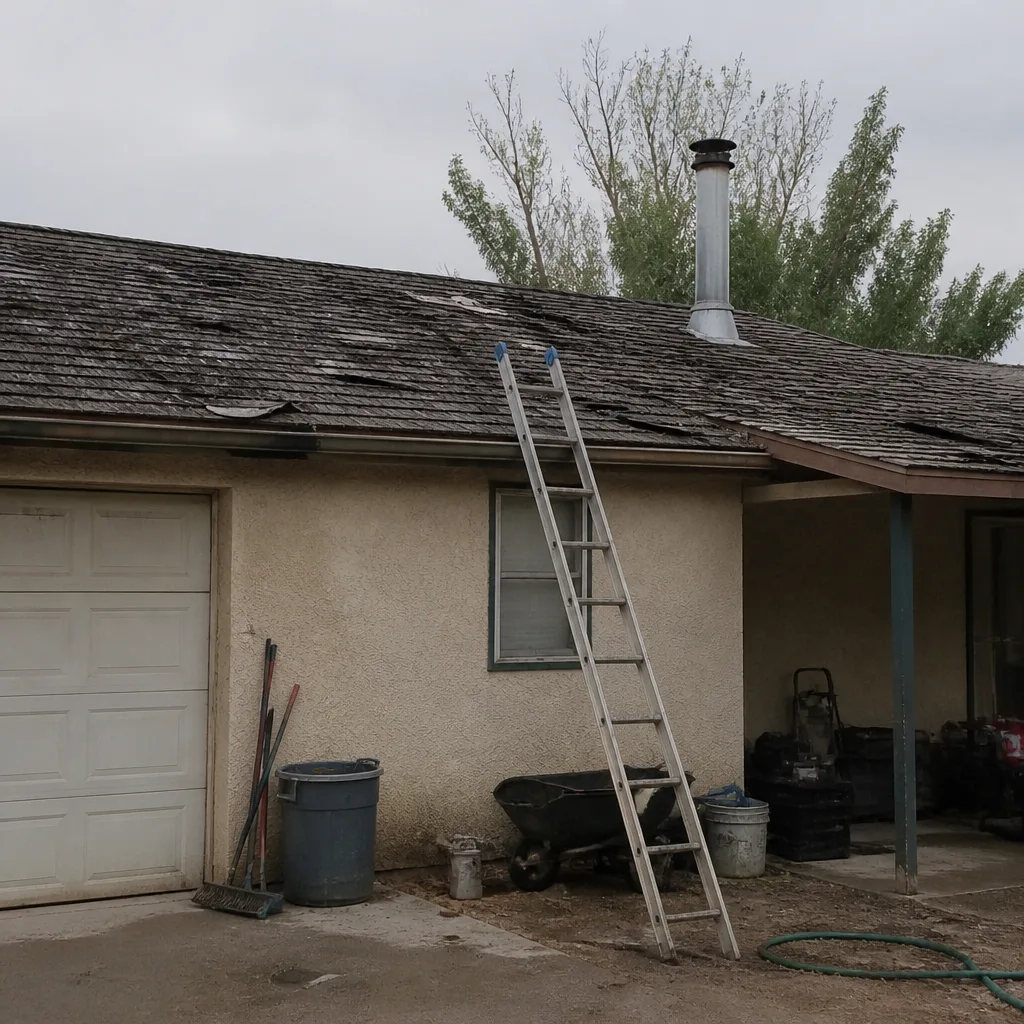 Before
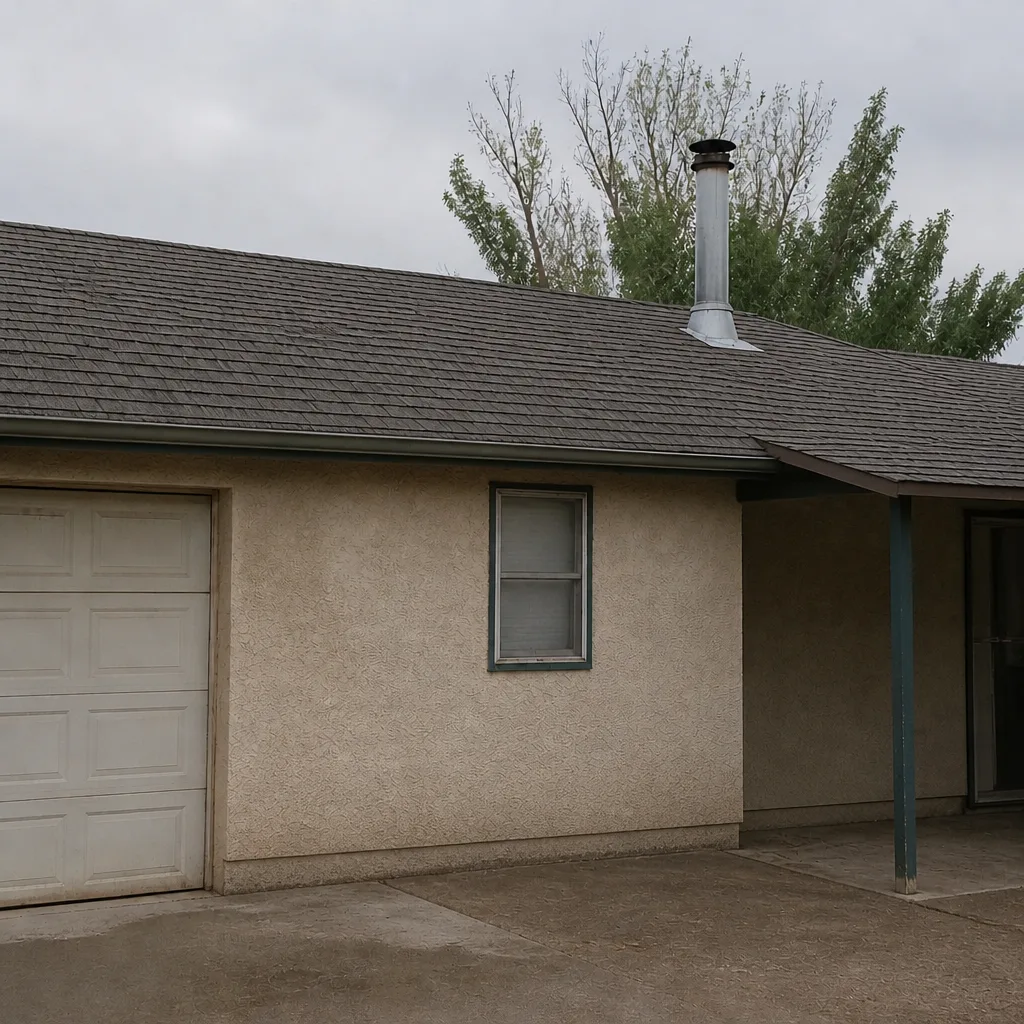 After
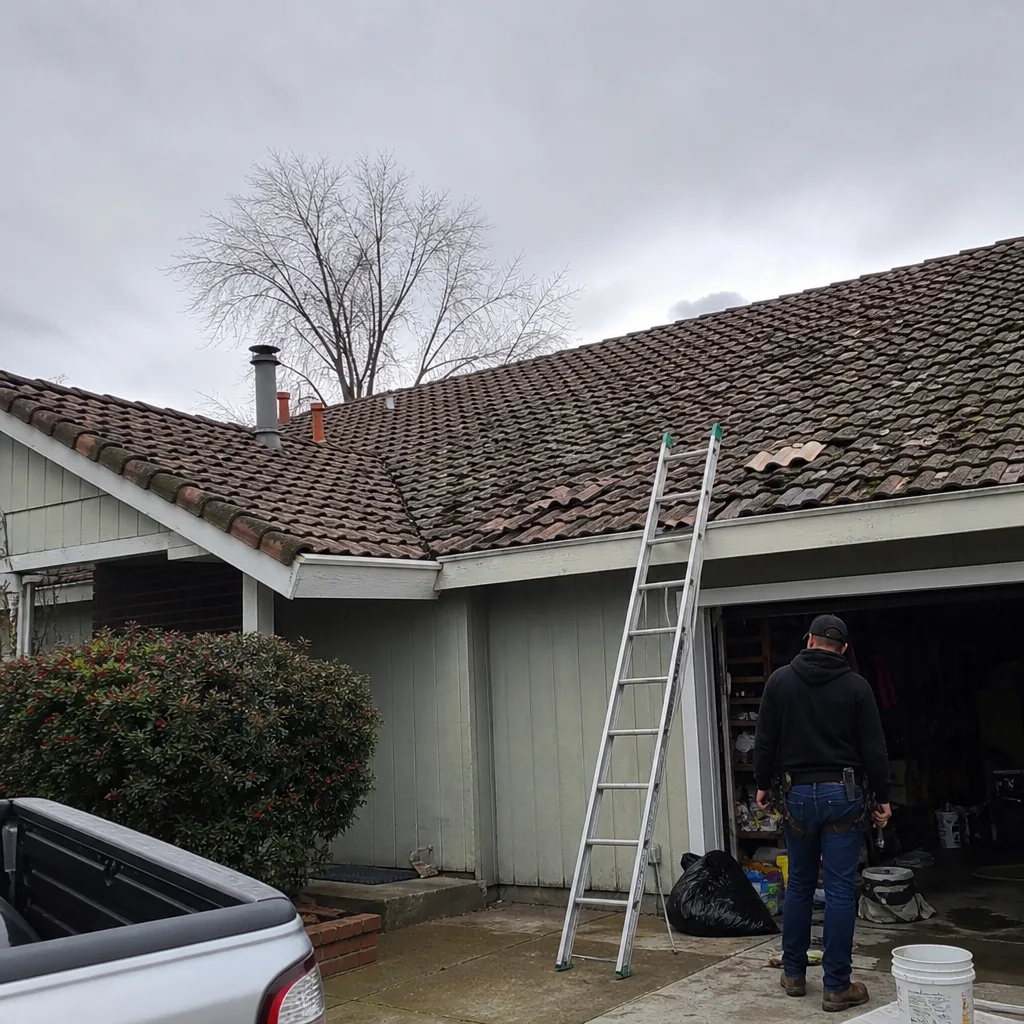 Before
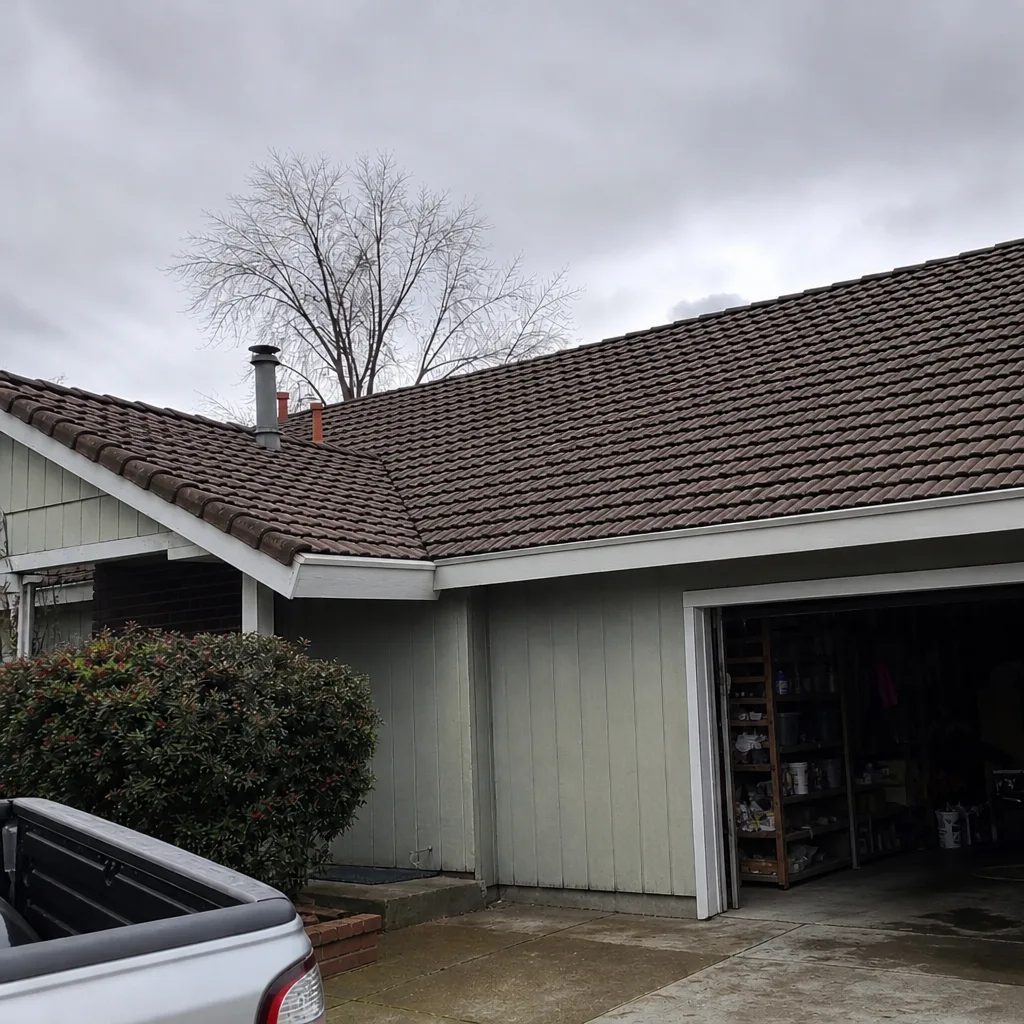 After