
Last updated November 16, 2026
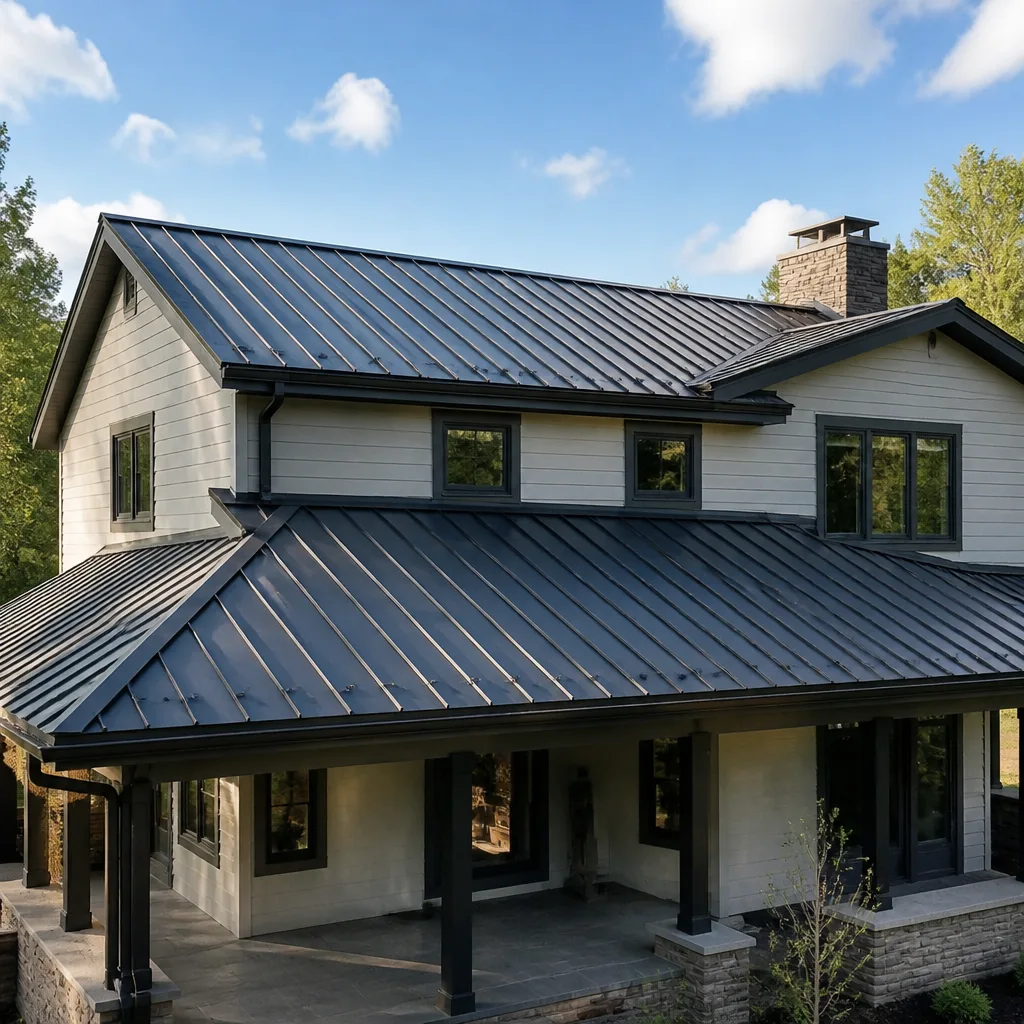 Metal roofing
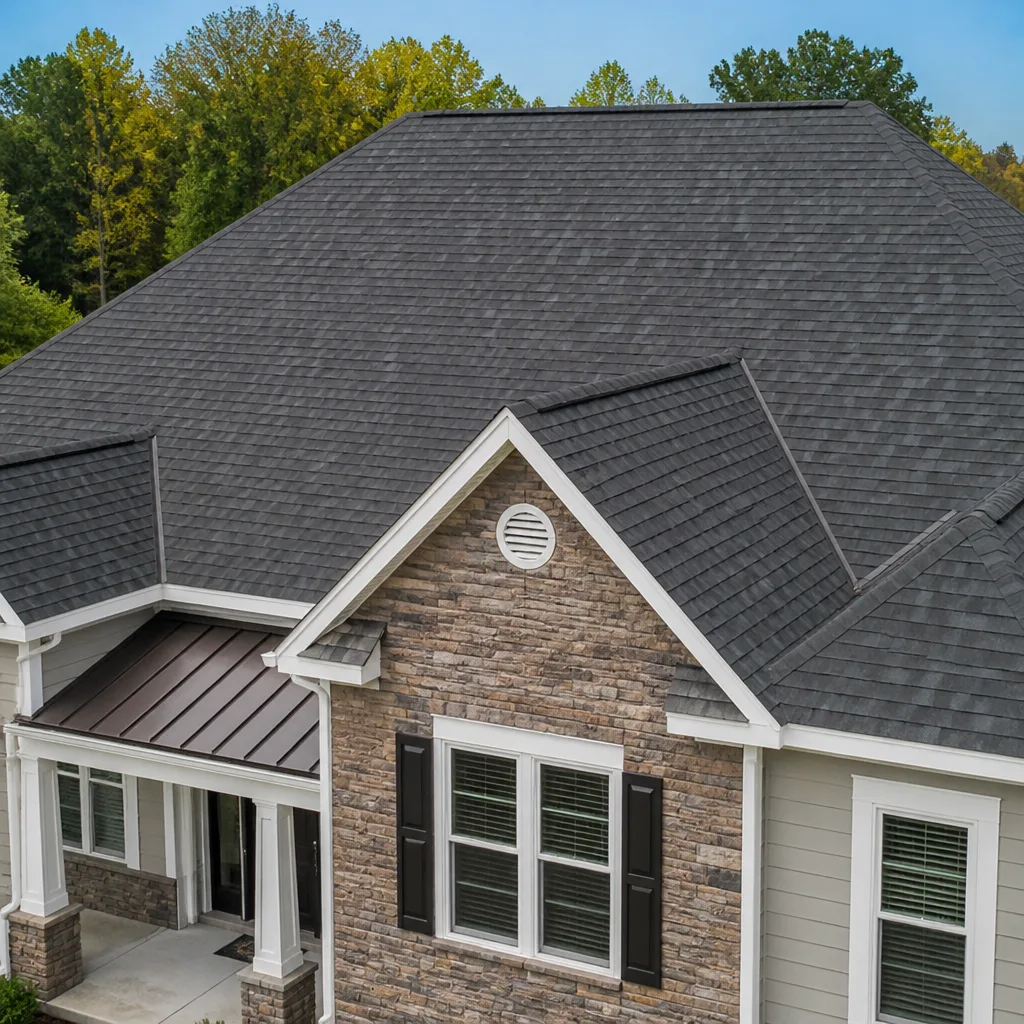 Architectural shingles
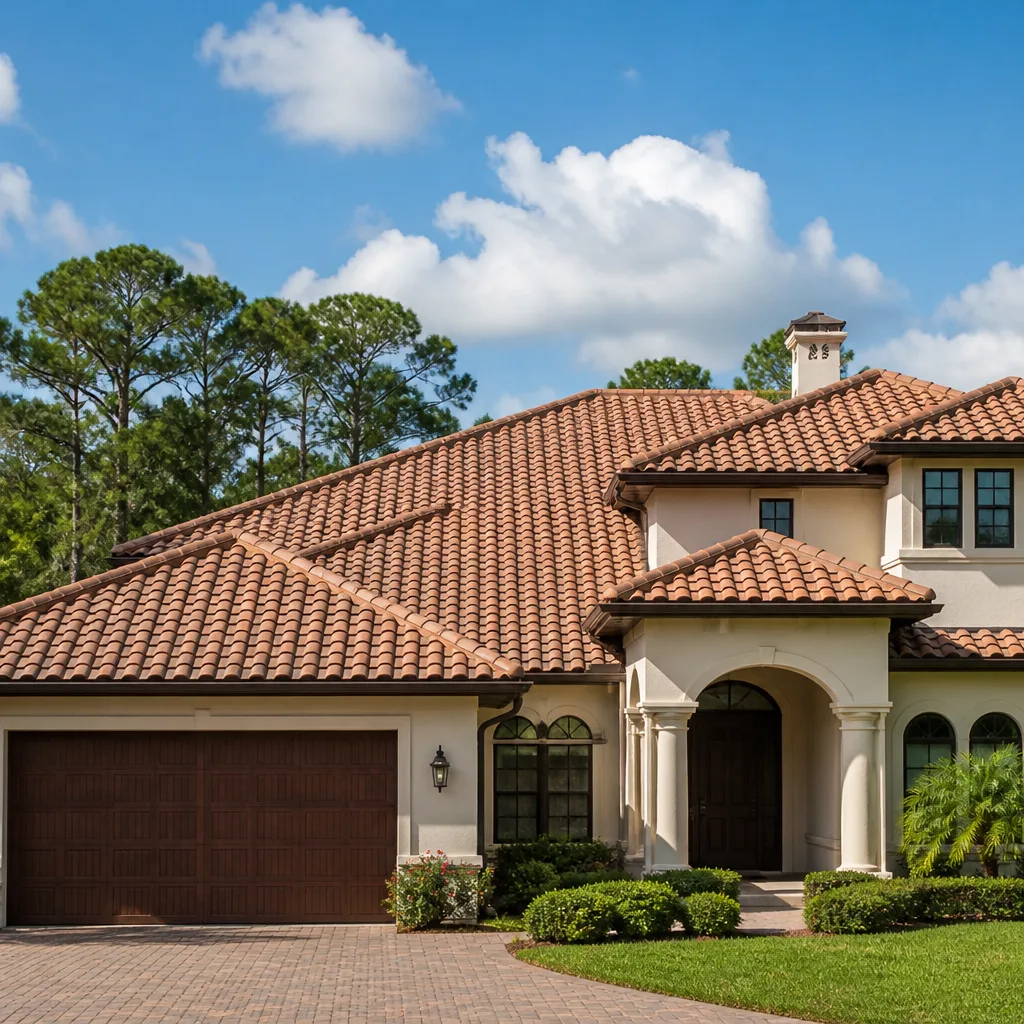 Tile roofing
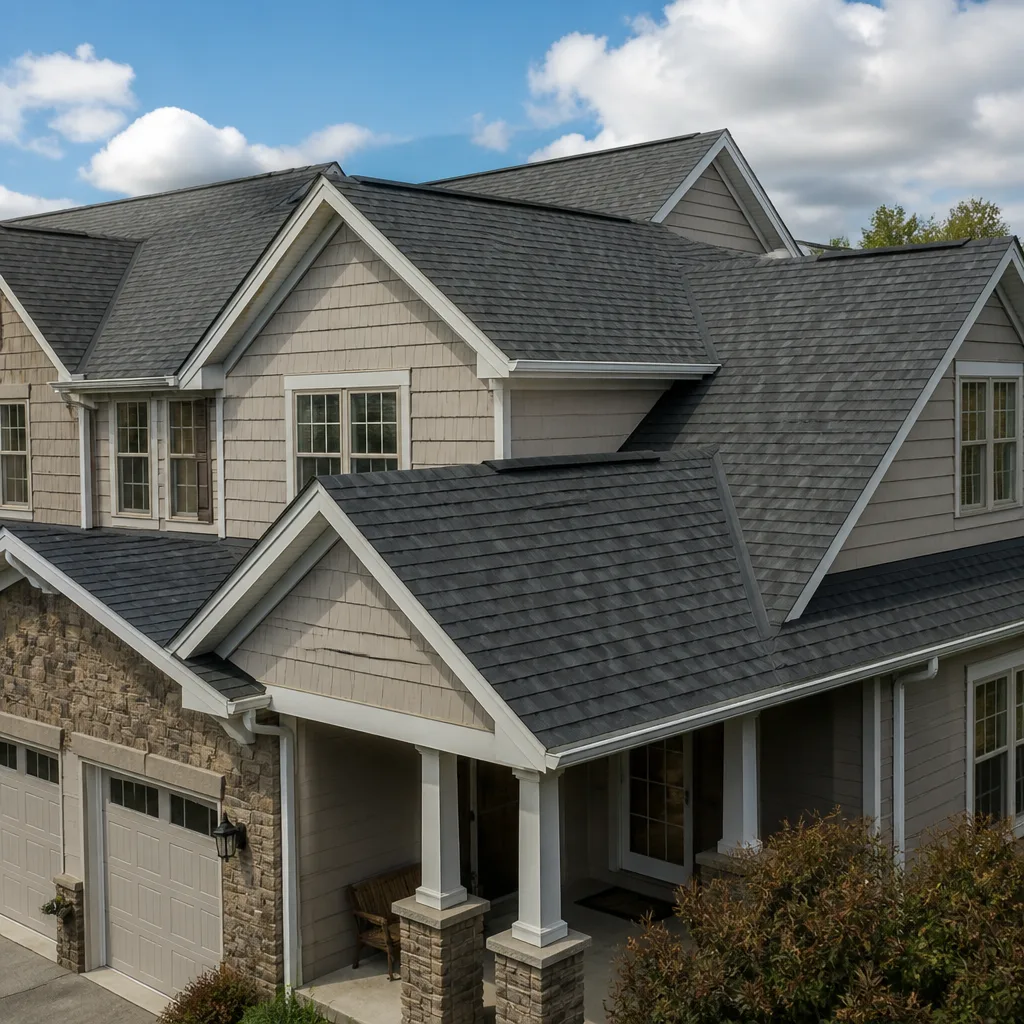 GAF
 Owens Corning
 Flat & low-slope
Free roof inspection with deck photos before we talk money - GAF and Owens Corning certified installation
Roofing Permits, Codes & Inspections in Whitney, NV: What You Need to Know
Most Whitney homeowners treat a roofing permit as paperwork. It’s actually the only record that your roof was installed to code, and it travels with the house. An unpermitted roof replacement in Clark County doesn’t just risk a fine – it can be treated as an unpermitted improvement that has to be disclosed to buyers, and disclosure is where deals stall at escrow. We’ve watched buyers walk over a permit pulled from a database and come back empty. This guide walks through which roofing work in Whitney needs a permit, the inspection sequence, how to confirm your contractor actually filed, the code points that matter on a Whitney roof, and what to do if you inherit a roof nobody permitted.
Quick Answer
In Clark County, a full roof replacement requires a building permit and code inspections, while most targeted repairs don’t. The permit must be pulled in the property owner’s name with the contractor listed, and the work is inspected at defined stages, including a final inspection before the permit closes. Unpermitted replacement work creates a disclosure problem at sale and may require a re-inspection or removal. Roofing Whitney can confirm what your specific project needs during a free estimate.
Styles & brands we work with
- Architectural shingles
- Metal roofing
- Tile roofing
- GAF
- Owens Corning
- Flat & low-slope
Table of Contents
- Which roofing projects in Whitney need a permit?
- Repair vs. replacement: where the line actually sits
- The Clark County inspection sequence, stage by stage
- How to confirm your contractor actually pulled the permit
- Underlayment, ventilation, and fire rating on a Whitney roof
- Buying a home with an unpermitted prior roof: your options
- Common mistakes to avoid
- When to call a professional
Which roofing projects in Whitney need a permit?
Any full roof replacement needs a building permit in Clark County. So does a re-roof over the existing layer if the work goes beyond patching, any change to the roof structure, new sheathing, a change in roof covering material, and any new skylight or roof-mounted opening. A permit means the county inspects the work before it’s covered and again at final. That inspection record is what an appraiser, insurer, or buyer’s agent can find when they need it.
What doesn’t need a permit: small repairs. Replacing a handful of damaged shingles, resetting a flashing detail on one penetration, sealing a leak around a vent boot, closing a gap at an eave. These are maintenance and localized repair, not structural or covering changes. A single-tile patch on a tile roof falls here too. If the work involves more than spot repair, the honest answer is usually “get the permit.”
Here’s the practical version we give Whitney homeowners:
- Permit required: full tear-off and replacement, re-roof over existing shingles, structural repairs to rafters or sheathing, new or relocated roof vents and skylights, changing the covering product.
- Usually no permit: patching isolated damaged shingles, resealing a single flashing, replacing a vent boot, minor leak repair, spot tile replacement.
- Gray zone: anything touching more than a few square feet, or that changes how water leaves the roof. When in doubt, ask the county’s building department. The answer is free and the call saves months.
Because Clark County’s threshold rules can change and depend on the scope of work, we don’t quote a code section – we ask. Roofing Whitney handles roof replacement and repairs across Whitney, and the scope conversation is part of the free estimate, whether the answer is “permit required” or “you’re fine without one.”
Repair vs. replacement: where the line actually sits
Homeowners often ask us whether their roof “counts” as replacement or repair. The distinction matters because it decides the permit and it decides what the county inspects. The line isn’t about square footage – it’s about whether you’re changing the roof system or servicing it.
Think of it this way:
- Repair maintains an existing roof system. You’re fixing damage to a system that’s already in place and staying with the same covering.
- Replacement removes or covers the roof system. The old covering comes off (or a new layer goes over), new underlayment goes down, and the assembly is rebuilt.
- Re-roof is technically replacement over the existing covering. It still needs a permit. It still gets inspected.
In Whitney, the classification matters for one more reason: the desert sun. A Whitney roof that’s been baked on for twenty-plus years often shows localized failures that look like repair items but are symptoms of an assembly that’s at the end of its service life. That’s a judgment call. We look at shingle granule loss, underlayment condition at the eaves, and how many problem spots have appeared in the last three seasons. If repair genuinely fixes it, repair is the honest answer. If replacement is the right call, the permit process is part of the proposal. Our roof repair tier and our replacement tier are separate on purpose – you shouldn’t have to buy the bigger job to get a straight assessment.
When a repair stays a repair, ask the contractor to describe what they’re fixing in writing. That becomes the record if a future owner or inspector wants to understand the roof’s history.
The Clark County inspection sequence, stage by stage
The permit inspection sequence on a Whitney roof replacement usually runs three stages, and the contractor is responsible for scheduling each one and for the work being ready when the inspector arrives. Here’s how it typically goes:
- Pre-cover, or underlayment inspection. Once the old roof is off, the sheathing is repaired or replaced as needed, and the underlayment is installed, the framing and underlayment are inspected before the new covering goes on. This is the stage that catches nail patterns, deck condition, and underlayment grade.
- Covering inspection. After the new shingles or tile are installed, the inspector checks the covering installation, edge metal, flashing at penetrations, and the ridge and hip details.
- Final inspection. The whole system is signed off. The permit closes. This is the record a buyer’s agent will pull.
What inspectors look for at each stage:
- Sheathing integrity and any replaced panels. Rotted decking has to come out before cover goes on.
- Underlayment type, overlap, and how it’s fastened at eaves and valleys.
- Flashing at chimneys, skylights, sidewalls, and vent penetrations.
- Ventilation openings – adequate intake at the eaves, adequate exhaust at the ridge.
- Fire rating documentation for the covering when the county requires it.
In our experience on Whitney projects, the most common delay is a schedule slip at the pre-cover stage, because homeowners and contractors don’t always align on when the deck inspection can happen. Build the extra day in. A closed permit is worth the day.
Some work is inspected less formally. Small repairs that don’t require a permit still deserve the same standard of work – but the inspection record only exists on permitted jobs. That’s a point worth repeating at the free estimate.
How to confirm your contractor actually pulled the permit
Sometimes contractors say “we handle the permits” and nothing gets filed. That gap is where future problems live. You can verify, and it takes less time than a phone call to a friend.
- Ask for the permit number, the permit type, and the address it was pulled for. Get these in writing, on the proposal or a follow-up email.
- Ask who is named as the property owner on the application. It should be you.
- Look the permit up through the county’s online permit portal, or call the building department and give them the permit number.
- Confirm the permit status matches the stage the crew is actually at – don’t settle for “it’s been pulled.”
- After completion, request the inspection result or the closed permit record. That document belongs in your house file.
If your contractor can’t produce a permit number for a full replacement, don’t let the work start. A roofer who says the permit doesn’t matter for your Whitney project is either misinforming you about the rule or misinforming you about their intent. Either way, it’s worth a second look. A professional roofing specialist – not a generalist with roofing on the side – knows that a closed permit protects both of you, and treats the inspection as a quality step rather than an obstacle.
If you’re uncertain about any of this, Roofing Whitney can walk you through what a proper permit file looks like during the estimate. We work one trade: roofing.
Underlayment, ventilation, and fire rating on a Whitney roof
Whitney sits in the valley, and the roof takes a lot of hours of direct sun. The code items that matter most here aren’t exotic – they’re the ones that make the assembly survive heat and the occasional monsoon rain band that pushes through the valley.
Underlayment. Clark County requires an underlayment under the roof covering, and the type and installation method are checked at pre-cover. In our climate, the underlayment takes a beating from thermal cycling long before any shingle does. Ask what product is being used and confirm it’s installed per the manufacturer’s instructions. GAF and CertainTeed both publish installation specs for their underlayment and their shingles – we work with both, so we can line up products that fit the roof and the budget rather than pushing one brand.
Ventilation. Ventilation is required to be balanced between intake and exhaust. In a Whitney attic, unbalanced ventilation shows up as heat building under the deck, shingle degradation, and higher cooling loads in the house. The permit inspection looks for vent openings and placement. Ridge vent and eave intake are the common pairing; a Whitney home with a low-slope section sometimes needs something different. The right answer depends on the attic, and it’s worth spelling out during the estimate.
Fire rating. Roof coverings have to meet the fire classification the county applies to the property. Class A is common for asphalt shingles today, but confirm what your product actually carries and keep the documentation with the permit file. Boral roof products and Owens Corning shingles both carry specified fire classifications, and we confirm the spec before we recommend a product.
None of this is a secret, but it’s all easier to get right before the cover goes on than after. And every one of these points is exactly what an inspector checks at the pre-cover inspection – which is why that inspection exists.
Buying a home with an unpermitted prior roof: your options
If you buy a Whitney home with an unpermitted roof replacement in its history, the problem is usually discovered during escrow or by a buyer’s inspector. What comes next depends on the situation, and the options are real but none of them are free.
- Disclose it now. If the roof is already unpermitted when you buy it, get ahead of the issue – put it in writing for any future buyer. Disclosure is required for unpermitted improvement work, and a homeowner who discloses with a plan is in a much stronger position than one who doesn’t.
- Get a current condition inspection. A licensed inspector can assess whether the unpermitted roof is performing and safe. That report can support a permit application at a later date, and it gives a buyer real information instead of a vague worry. Our roofing Whitney team offers standalone Roof Inspection as its own service, so you can understand the roof before spending on a fix.
- Retroactive permitting. Some unpermitted work can be permitted retroactively with an inspection and a plan review. The outcome depends on the specific work and its condition – what was installed, whether it meets current code, and whether it was built to code in the first place. The county’s building department is the authority on that.
- Teardown and rebuild. When the unpermitted work can’t be brought into compliance, the correction is a removal and a permitted replacement. That’s the worst-case scenario, but it happens. Buyers walk from deals where that’s the only path.
- Price the risk into the offer. If you’re the buyer, negotiate for a credit equal to the risk. If you’re the seller, price it in. A roof that a buyer’s agent can’t confirm in a permit database gets priced lower whether or not the roof is actually fine.
The cheapest time to fix this problem is before you own it. If you’ve already bought, it’s still worth understanding – insurers and future buyers will ask. The team at Whitney can walk a roof and tell you what an inspector will see.
What does a permit cost – and does it change the roof price?
We don’t quote permit fees as a number here, because the county sets them and they can change with the scope of the project. What we’ll tell you is that the permit is a line item on a permitted replacement, and it’s part of the written estimate. The written estimate sets the final price for the roof, and we don’t change it after work starts.
If a contractor’s quote is dramatically lower than everyone else’s and it doesn’t include a permit, ask why. The permit hasn’t been waived – it’s been skipped. That’s not a discount. It’s a future escrow problem, and potentially a removal.
Roofing Whitney writes a written estimate that separates materials, labor, and permit-related costs so you can see what you’re agreeing to. Estimates are free. The price for the job is set by that written estimate, not by a phone number.
Common mistakes to avoid
- Letting the crew start before the permit is issued. A crew on the roof before the permit number exists is a crew working without inspections. Wait for the number, then start.
- Assuming the contractor pulled it because the proposal says “permits included.” “Included” can mean “in the bid” – that doesn’t mean it’s been filed. Verify.
- Skipping the pre-cover inspection window. Once shingles are on, underlayment and deck are covered. If the inspection isn’t scheduled and passed before cover goes on, you’ve lost the ability to check the work.
- Not keeping the closed permit record. The final inspection result is the document a future buyer will want. Keep it in a house file with your roof paperwork for good.
- Assuming a small-looking repair doesn’t touch the permit threshold. A repair that quietly expands into a section replacement may cross into permitted territory. Ask the contractor to define the scope in writing before the crew starts.
- Buying a Whitney home without pulling the permit history. The county keeps records. Check them before you commit.
- Believing “we’ll handle the permits” without a number. A professional accepts the permit as part of the job. A contractor who talks around it doesn’t.
See the difference
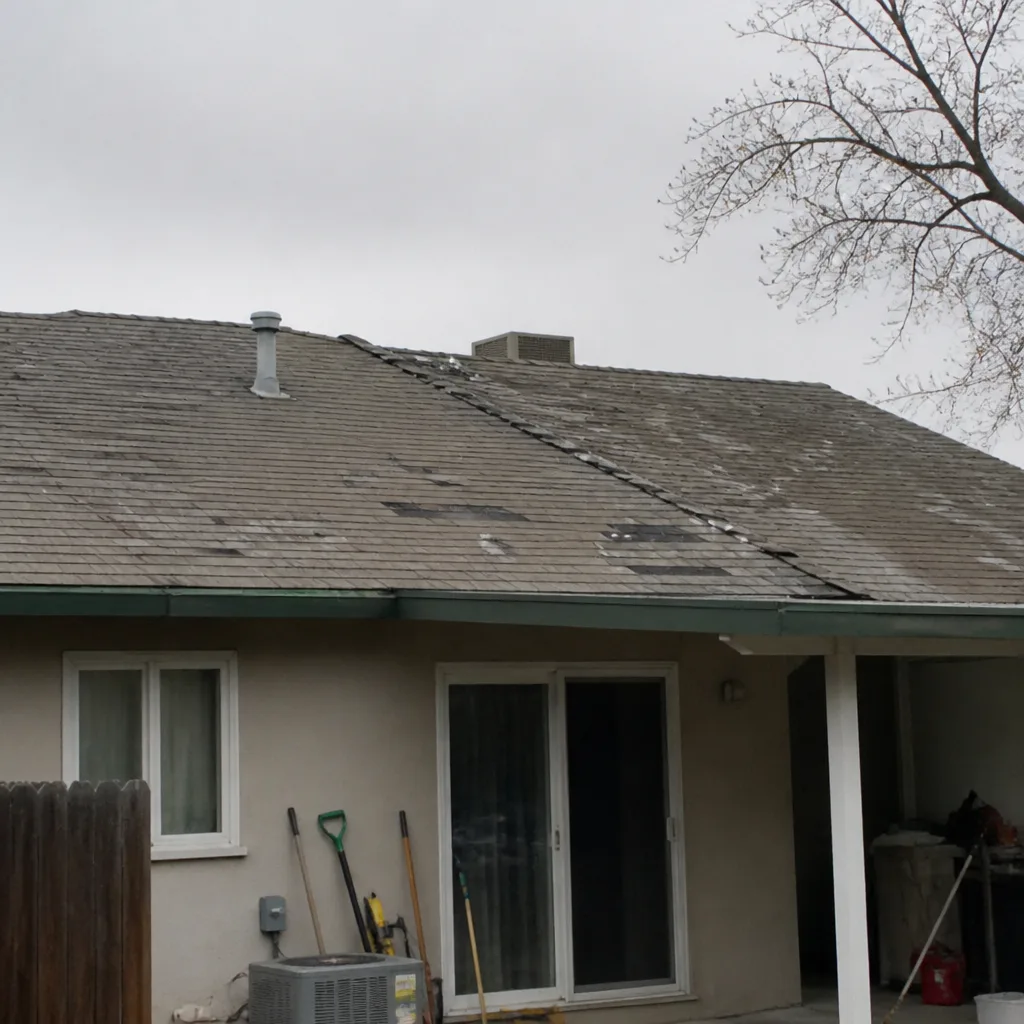 Before
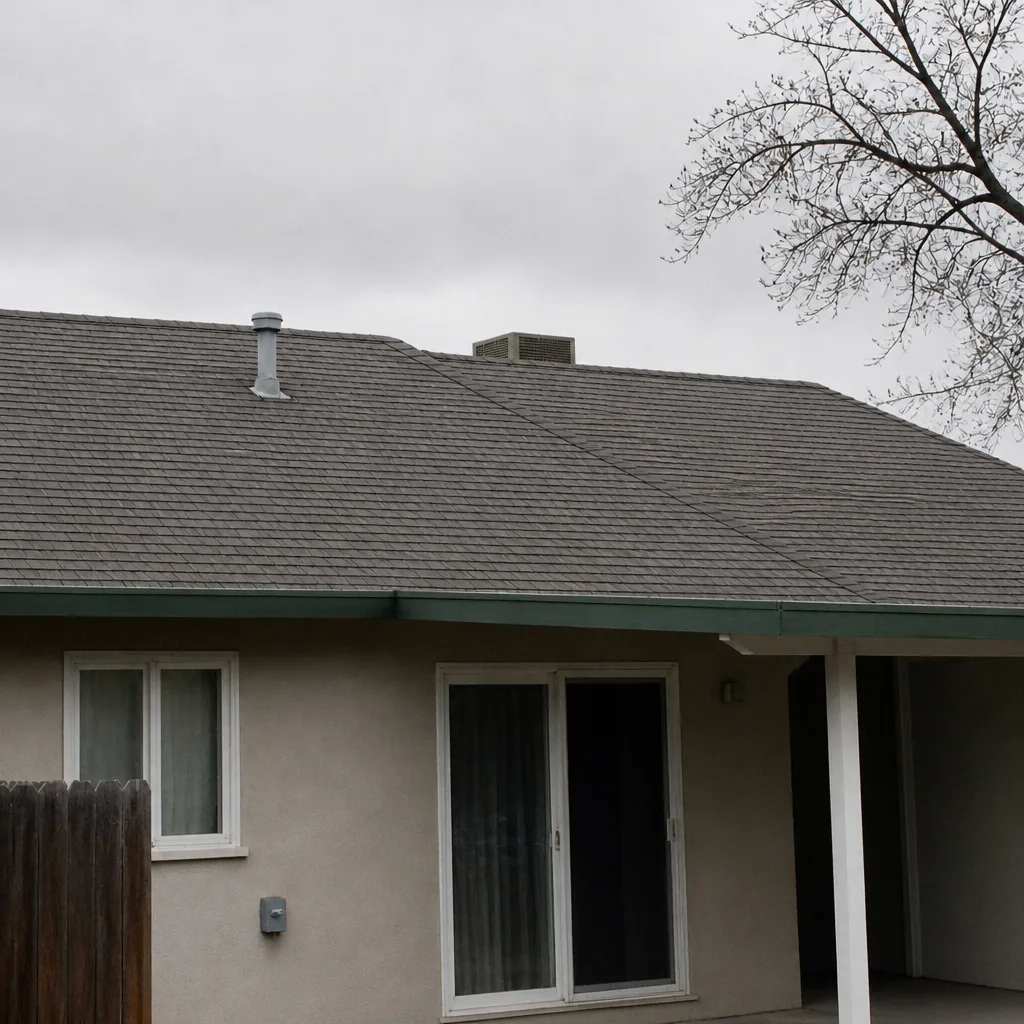 After
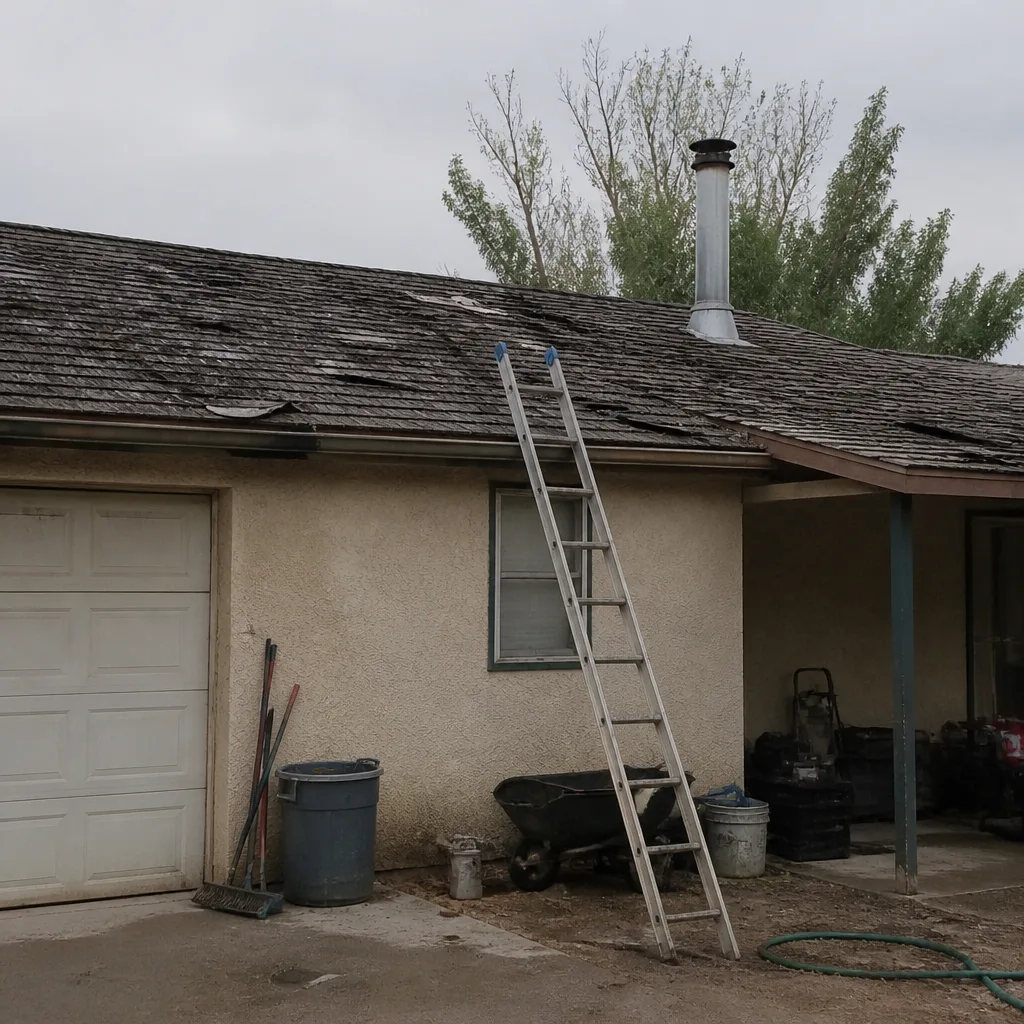 Before
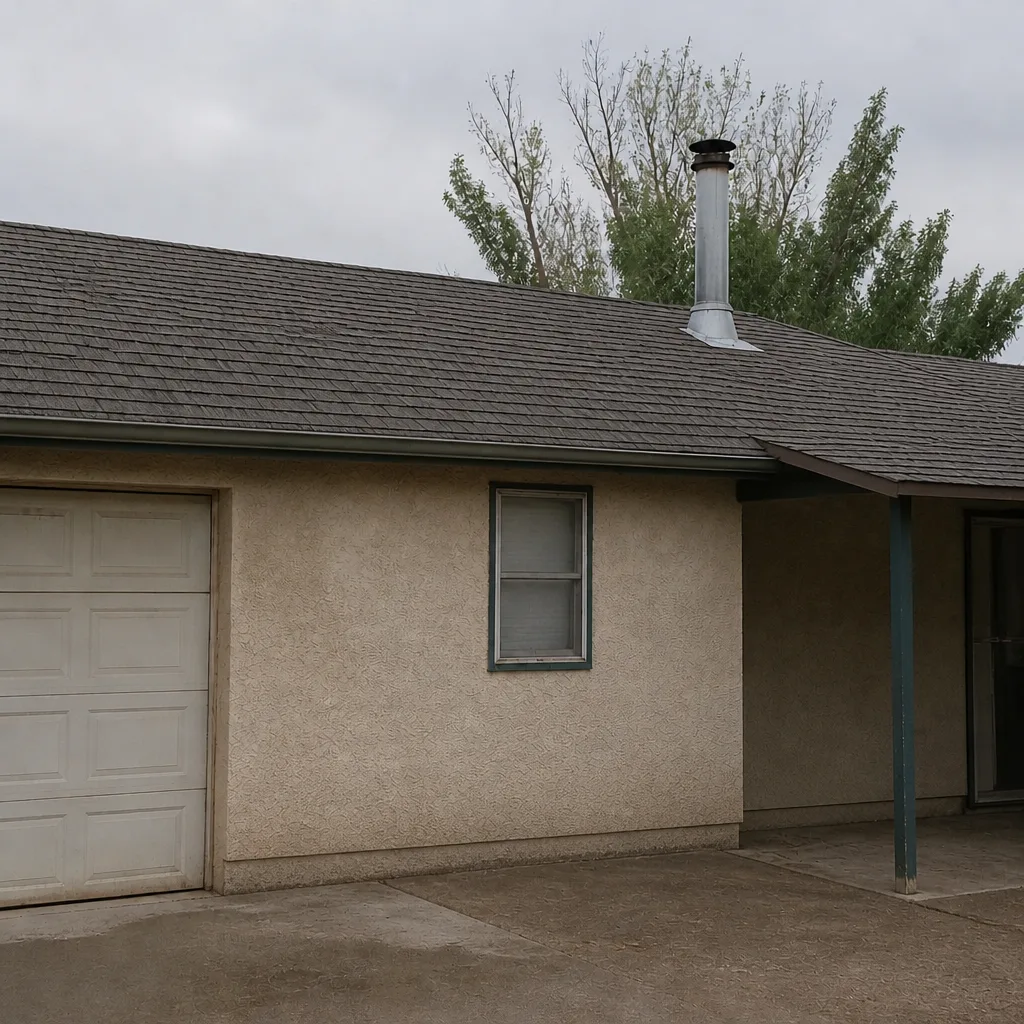 After
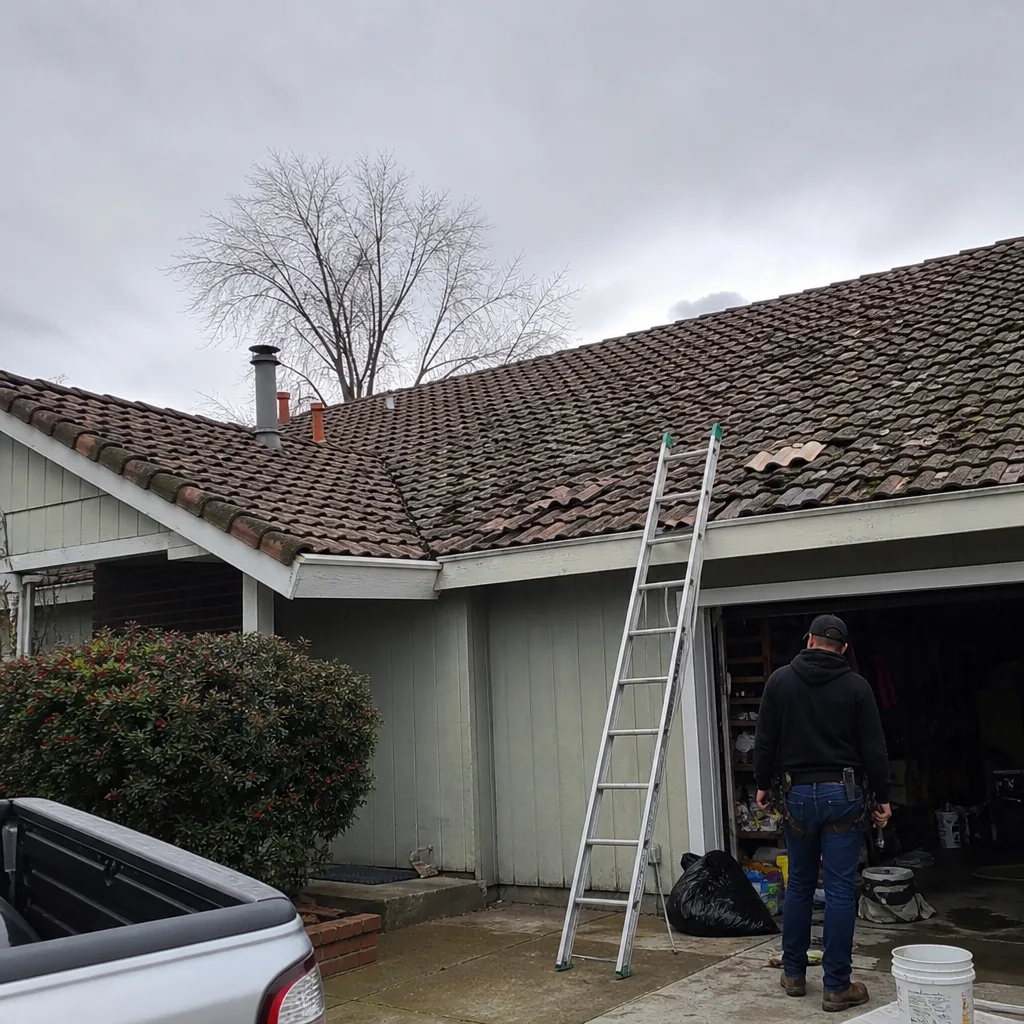 Before
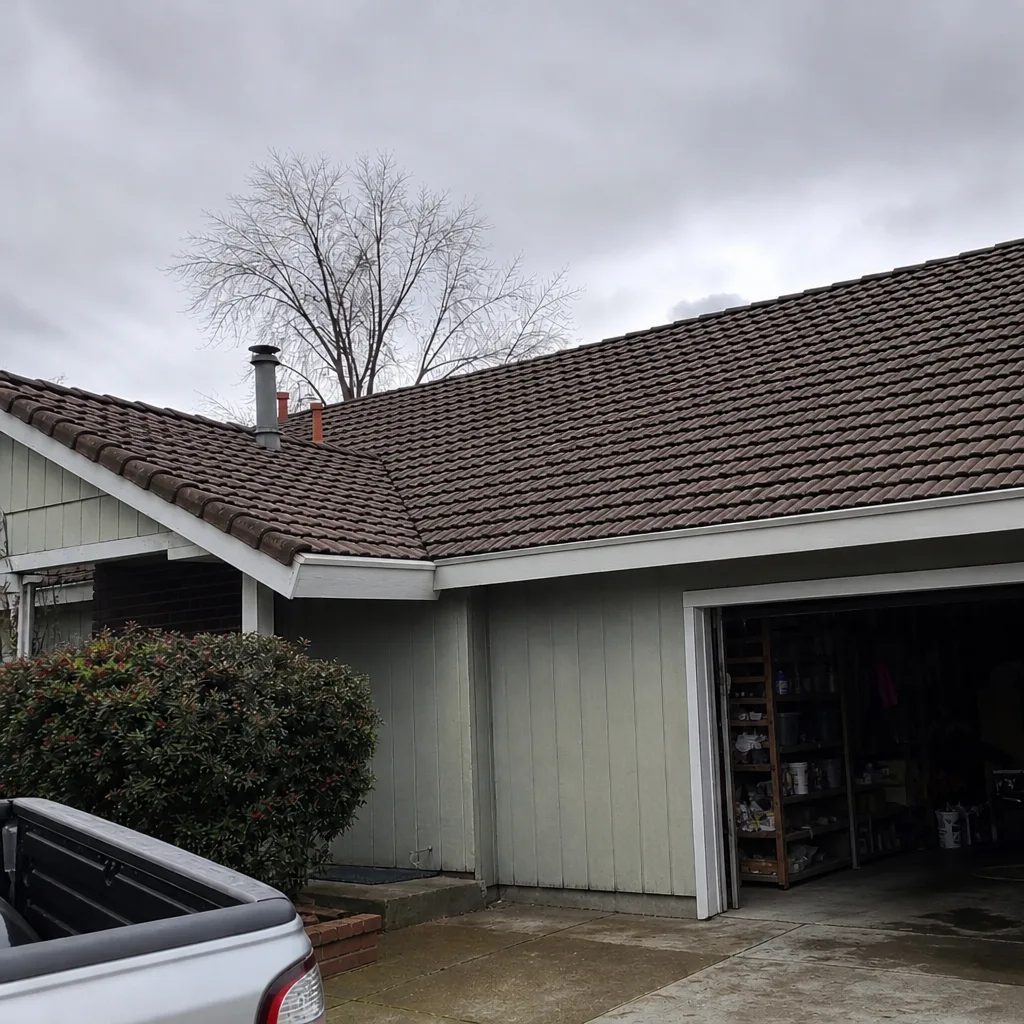 After
Ventilation in a Whitney attic: the part inspections catch and homeowners don’t
Whitney roofs sit on attics that get hot enough to cook shingles from underneath. Ventilation is the code item on a Whitney project where we see the largest gap between what a homeowner expects and what actually gets installed. The county checks ventilation at inspection; the homeowner should understand it at estimate.
The job of ventilation is to keep the under-deck temperature and moisture in balance. Intake venting at the eaves and exhaust venting at or near the ridge is the standard pairing on a pitched roof. When intake is undersized, the exhaust has nothing to pull, and hot air just sits. When exhaust is blocked or undersized, moisture accumulates. Both problems show up in the shingles and the decking long before the homeowner notices.
On a Whitney home, the things worth checking at the estimate:
- Are there eave vents, and are they open (not painted over or blocked by insulation)?
- Is the ridge vented continuously, or only in spots?
- Does the attic have any obstructions that block air from moving between intake and exhaust?
- If the roof has a low-slope section, is that section vented differently from the pitched areas?
Ventilation affects the roof’s lifespan and your cooling load, so it’s a both-ends win when it’s right. Ask during the estimate, and ask whether the product being recommended assumes a specific vent configuration. GAF and Owens Corning both publish guidance on ventilation requirements for their shingle systems, and we line up product choice with the roof’s actual ventilation plan. The inspection then confirms it.
How long does a permitted roof replacement take in Whitney?
The roof itself can often be torn off, decked, and recovered in a matter of days, but the permit timeline adds a step at each end. Here’s the honest sequence:
- Permit application. The application has to be prepared, submitted, and issued before work starts. The time varies with the county’s queue and the scope of the project.
- Pre-cover inspection. Once the deck and underlayment are ready, the inspection happens. This is a scheduling dependency you can’t skip.
- Covering installation. The shingles or tiles go on after pre-cover passes.
- Final inspection. The whole job gets signed off and the permit closes.
We don’t promise exact turnaround times – they vary with the project and the county’s schedule – but we do build the inspection stages into the plan so you’re not surprised when the crew pauses for a day. A homeowner who knows a two-day pause is normal is a much happier homeowner than one who doesn’t.
When to call a professional
If your roof is showing water in the attic after a monsoon band, missing shingles, or sagging at the deck, that’s a call. If a contractor told you “we’ll handle the permits” and you don’t have a permit number, that’s a call. If you’re buying a Whitney home and the permit history is unclear, that’s a call. If you want to know whether your roof needs repair or replacement before you commit to either, that’s a call – and it’s the kind of call worth making before you spend.
We’ve built our whole business around that first conversation. Roofing Whitney is a roofing specialist – inspection, repair, replacement – and nothing else. Our technicians have up to 9 years of experience. We work with seven major manufacturers, including GAF, CertainTeed, Owens Corning, IKO, Atlas, Tamko, and Boral, so we can recommend the product that fits your roof and your budget rather than the one we have the deepest deal on. You get a professional assessment, a written estimate, and a clear line between what needs a permit and what doesn’t.
Roofing Whitney offers free estimates in Whitney – call (844) 320-5203. We answer 24/7. Fast dispatch from 7am to 7pm, Sunday through Friday.
Frequently Asked Questions
Yes. A full roof replacement, including a re-roof over existing materials, requires a building permit in Clark County and goes through inspections. Smaller repairs like shingle patching and flashing resealing generally don’t require a permit. Confirm the scope with your contractor and, if you’re unsure, with the county’s building department. Call (844) 320-5203 for a free estimate and we’ll help you sort out whether your project crosses the permit line – estimates are free.
Ask for the permit number and the address it was pulled for, then look it up in the county’s online permit portal or call the building department with the number. The property owner on the application should be you. Request the inspection results as the work progresses and keep the closed permit record in your house file. If the number can’t be produced, stop the work. Call (844) 320-5203 and we can walk you through what a proper permit file should contain.
You have options: disclose it in writing for any future buyer, get a professional condition inspection, apply for retroactive permitting if the work qualifies, or, in the worst case, remove and rebuild to bring the roof into compliance. The county’s building department is the authority on retroactive permits. Call (844) 320-5203 for an inspection – our Roof Inspection tier is its own service, so you can understand the roof before deciding what to do next.
The pre-cover inspection checks the decking and underlayment before the cover goes on, the covering inspection checks the shingles or tiles and the flashing at penetrations, and the final inspection signs off the whole system. In Whitney, ventilation balance and underlayment installation are the two points we see homeowners ask about most, because both affect how the roof handles the valley heat. Call (844) 320-5203 – we can walk you through what to expect at each stage during a free estimate.
No. Permit requirements depend on the work, not on whether the covering material matches the old one. A re-roof over the existing layer is still a re-roof and still requires a permit and inspections in Clark County. Skipping it can create the disclosure problem we described above. Call (844) 320-5203 for an estimate that spells out the permitted scope before work starts – estimates are free.
No. The written estimate sets the final price, and the permit and its inspection stages are built into that estimate rather than added later. If something genuinely unforeseen comes up – rotted decking, for example – we’ll show you the finding and get your approval before doing the work, but the estimate is where your price is set. Call (844) 320-5203 for a free estimate.
The Bottom Line
A roofing permit in Clark County isn’t a formality. It’s the record that your roof was installed to code and inspected at each stage – deck and underlayment before the cover, the covering itself, and a final sign-off. That record travels with the house and can decide an escrow. If you’re replacing your roof in Whitney, ask for the permit number, verify it in the county portal, and confirm the pre-cover inspection happens before shingles go on. If you inherited a roof with no permit history, get an inspection and understand your options before you list or buy. Roofing Whitney offers free estimates in Whitney – call (844) 320-5203. We answer 24/7. Fast dispatch from 7am to 7pm, Sunday through Friday.
Written by the team at Roofing Whitney.