
Last updated November 16, 2026
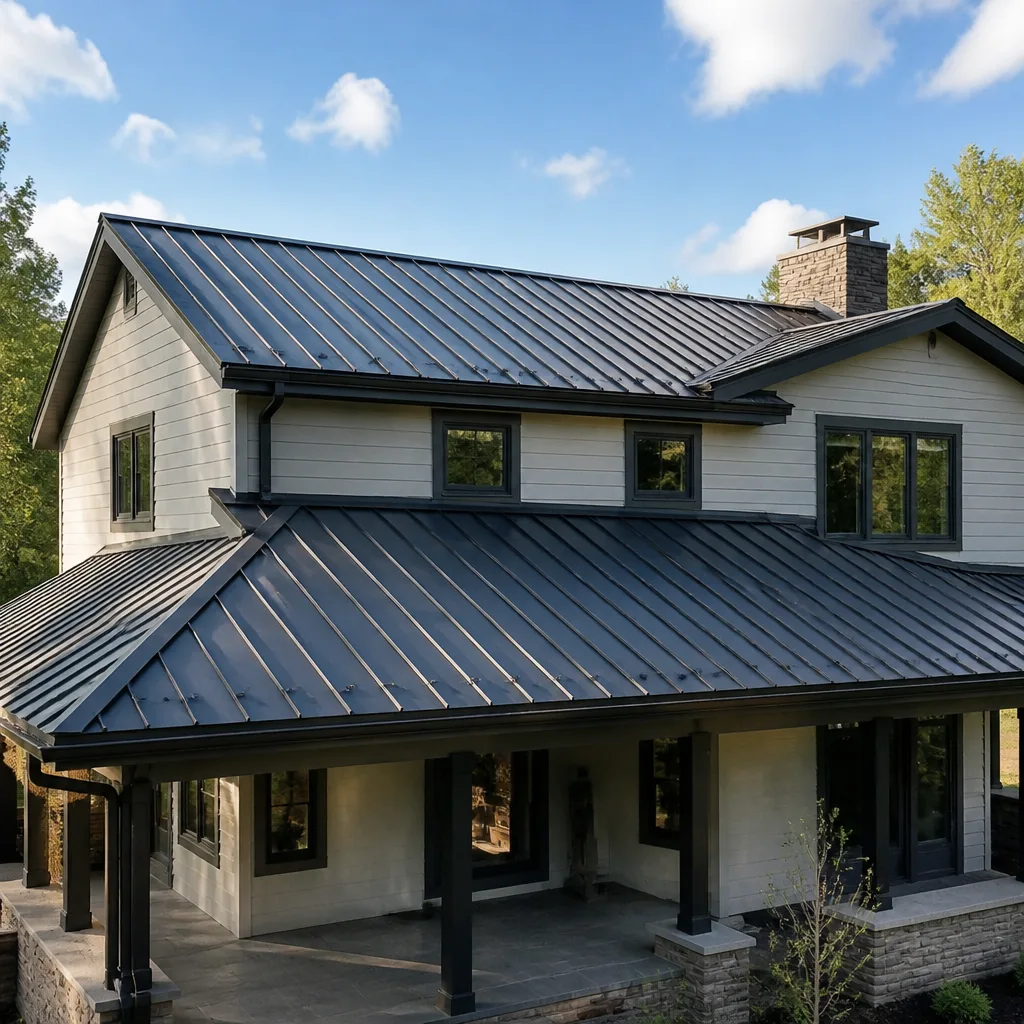 Metal roofing
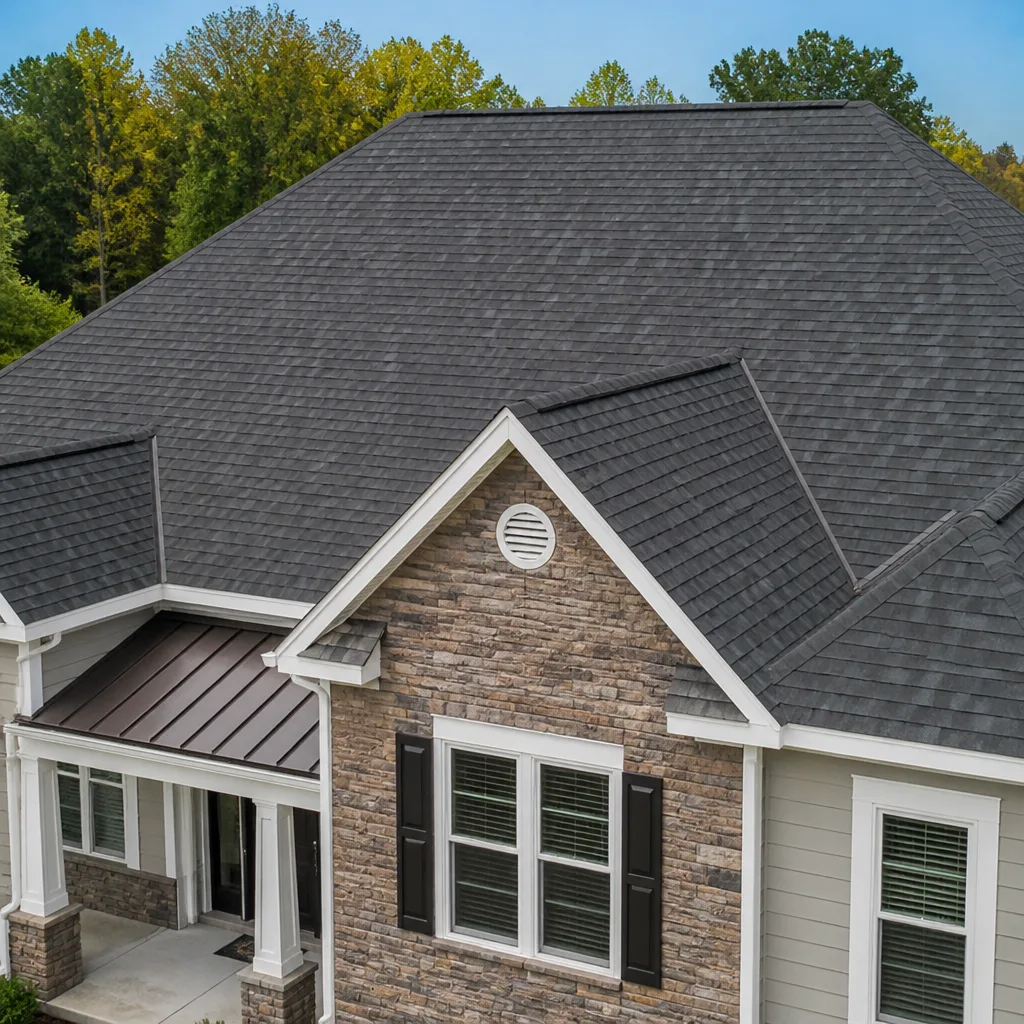 Architectural shingles
 Tile roofing
 GAF
 Owens Corning
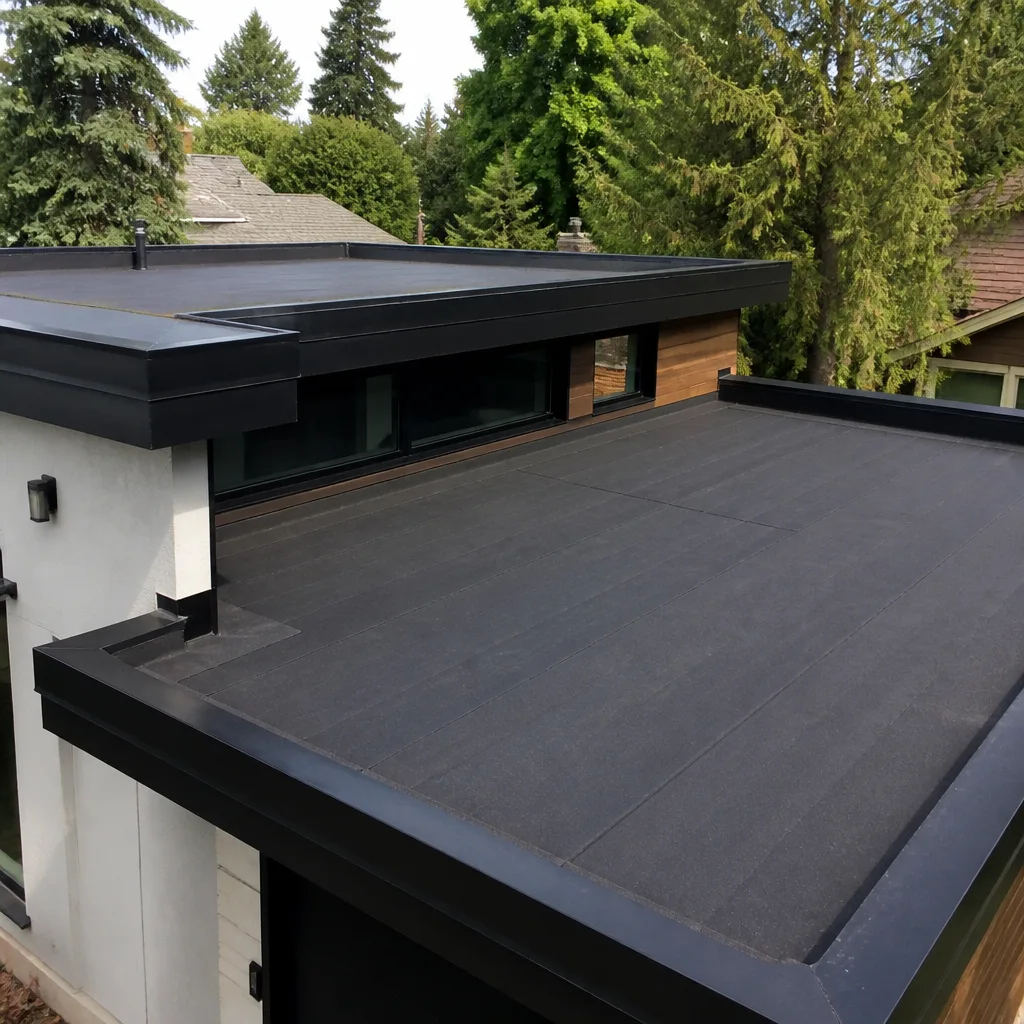 Flat & low-slope
Free roof inspection with deck photos before we talk money - GAF and Owens Corning certified installation
Roofing Emergency Preparedness Guide for Whitney Homes
Here’s the counterintuitive part about roofing emergencies in Whitney: they’re rare, and that’s exactly what makes them dangerous. Homes here sit through long dry stretches, intense summer sun, and the occasional fast-moving monsoon cell that dumps rain and wind in a matter of minutes. Because the big events don’t come often, most homeowners have never built a response plan. When a severe wind event finally rolls through Whitney, roofing contractors get booked out weeks, and the homeowners with no plan spend that time staring at exposed decking under a tarp that’s already peeling loose. This guide is about what to do before that day arrives – how to document your roof, how to tarp it right, how insurance claims for storm damage actually work, and how to sort wind damage from ordinary wear when both show up at once. Preparation is the whole game.
Quick Answer
If your roof is damaged right now, your first moves are: make the area safe, document everything with dated photos before you touch anything, call your insurer to open a claim, and get a professional inspection before you hire anyone for repairs. For Whitney homeowners not currently in an emergency, the single most valuable step is pre-storm documentation – a set of clear, dated photos of your roof and attic taken while everything is intact, because those photos are what settle disputed claims later. A written inspection report from a roofing specialist is the other half of that preparation. Everything else in this guide builds from those two foundations.
Styles & brands we work with
- Architectural shingles
- Metal roofing
- Tile roofing
- GAF
- Owens Corning
- Flat & low-slope
Table of Contents
- Why Whitney Homeowners Are Usually Unprepared
- Pre-Storm Documentation: What to Photograph Now
- Emergency Tarp Installation: What Actually Works
- Filing a Roofing Insurance Claim in the Clark County Area
- Wind Damage vs. Age-Related Failure
- The First 24 Hours After Roof Damage
- Avoiding Unsolicited Contractors After a Storm
- Why a Written Inspection Is Your Best Preparation
Why Whitney Homeowners Are Usually Unprepared
Whitney sits in a stretch of southern Nevada where the weather story is mostly sun. That’s good news for roofs in a lot of ways – no freeze-thaw cycling, no lake-effect snow load, no constant coastal moisture eating at fasteners. But the dry pattern also means wind and rain events arrive as short, intense episodes rather than slow, forecastable systems. A monsoon downburst can move through in under an hour, and the homeowner who was watching the radar on their phone is suddenly looking at a missing ridge cap and a wet ceiling.
The rarity has a second effect that matters more for planning. In places where severe storms come every year, everyone has a roofer on speed dial, plywood in the garage, and a rough idea of how insurance claims work. In Whitney, most homeowners have simply never needed any of that. When a real event hits, the demand for roofers spikes at once, and the people who did the prep work in advance are the ones who get help fastest.
There’s also a housing-specific angle. A large share of Whitney homes are stucco and tile or asphalt-shingle construction built in tract developments, where neighbors often share the same roof age and the same original materials. When wind damages one roof in a subdivision, it usually hits several. That’s worth knowing, because it means the local demand crunch after a storm is concentrated, not spread out across town.
What this guide won’t do is tell you a scary story about a specific storm or a specific house. Instead, it lays out a plan you can build this month, when the weather is quiet, so that the next wind event is an inconvenience rather than a crisis.
Pre-Storm Documentation: What to Photograph Now
The single most useful thing you can do for your roof this week has nothing to do with repairs. It’s taking a thorough photo record while your roof is intact. When a claim gets disputed – and some do – the difference usually comes down to evidence of the roof’s condition before the loss. Adjusters can’t tell from a post-storm photo whether that cracked shingle was new damage or a five-year-old flaw. Your “before” set answers that question.
What to photograph
- The full roof from ground level, from all four sides of the house. Get the whole slope in the frame where you can, and take a few close-ups of any area you can reach safely with a zoom.
- Ridge lines, hips, and valleys – the places where wind damage concentrates first. These shots matter most.
- All roof penetrations: vents, the chimney surround, skylights, and pipe boots. These are the usual leak entry points.
- Flashing at walls and transitions, which is where water gets behind the roof covering.
- The attic underside, if you have safe access. Photograph the decking, rafters, and any existing stains or discoloration. An attic photo that shows dry, unmarked decking is powerful proof after a storm.
- Downspout outlets and the ground below them, so you have a baseline for drainage.
How to store the record
Date the photos, back them up somewhere off your phone, and add a short note about any known issues. If a shingle was already lifted before the storm, write that down. Honesty here protects you: an adjuster who finds a documented pre-existing flaw will trust the rest of your record more, not less. Keep the set with your home insurance paperwork so it’s ready the day you need it.
If you’d rather not climb a ladder – and in Whitney summer heat, that’s a reasonable instinct – a professional inspection can produce a written condition report with photos that serves the same purpose. That’s an assessment, not a sales visit, and it gives you a documented baseline for your roof’s full lifespan.
Emergency Tarp Installation: What Actually Works
A tarp is temporary protection, not a repair. Done right, it keeps rain out of your attic and buys you time to get proper repairs. Done wrong, it can trap water, tear loose in the next gust, or cause damage of its own. The details matter more than most people expect.
Size and material
- Go bigger than the damage. The tarp should overhang the damaged area by at least several feet on every side, and ideally run up and over the ridge so water can’t get underneath the top edge. A tarp that only covers the hole channels water straight into it.
- Use a heavy woven polyethylene tarp, the kind sold as a heavy-duty construction tarp – not a thin blue lightweight or a plastic sheet. Thickness is usually described in mils; the heavier weights resist wind and UV far better.
- Avoid plastic sheeting as a primary cover. It tears at the fasteners, flaps violently, and shreds in wind.
Anchoring method
The anchoring is where secondary damage usually starts. Never drive fasteners through the roof surface itself just to hold a tarp – you’ll create new leak points. The workable approach is to run strapping or rope over the tarp and anchor it to something solid, like fascia or the structure under the eaves, with the tarp pulled taut so it can’t flap. Sandbags or weighted lumber laid along the edges work as a supplement on low-slope areas, not a substitute for tied anchoring. If the damage is large, the wind is still up, or the roof is steep, this is genuinely dangerous work.
We’ll say it plainly: a steep roof, high wind, and a wet surface is a combination that sends people to the hospital. If your roof is anything other than low and easy to reach safely, have a professional tarp it. Fast dispatch from 7am to 7pm handles the urgent cases. And for the record, hail is uncommon in this part of Nevada, so most of what you’re tarping against is wind-driven rain rather than ice.
Filing a Roofing Insurance Claim in the Clark County Area
Roofing claims in the Clark County area follow a fairly standard pattern, and knowing it in advance keeps you from losing documentation you’ll need. A few general notes first: most homeowners policies cover sudden damage from wind and storm, and most exclude or limit damage that results from lack of maintenance. The adjuster’s job is to tell those two apart, and your documentation is what helps them do it.
What adjusters typically ask for
- Date and cause of loss – when the storm hit and what you believe caused the damage.
- Your “before” photos – the pre-storm record described above.
- Post-storm photos and video taken before any temporary repairs.
- Any interior damage: water stains, wet insulation, damaged ceilings. Photograph it all, and keep damaged materials until the adjuster has seen them.
- A written professional inspection report describing the damage and what caused it, in plain terms an adjuster can act on.
- Receipts for any emergency work, including tarping, if you paid for it.
The order that works
- Make the home safe and stop the water – temporary tarping and interior catch basins.
- Photograph and video everything before any cleanup.
- Call your insurer and open the claim. Get a claim number.
- Book a professional roof inspection so you have a written report.
- Hold off on permanent repairs until the adjuster has seen the damage – ask your insurer before anything beyond emergency protection.
- Keep every document, photo, and receipt together in one folder.
We can work with your insurer on the documentation side – providing a written assessment of what the roof needs – but the claim decision is between you and your carrier. If your policy has a deadline for reporting a loss, report it early. Many do, and the exact terms vary by policy, so read yours.
Wind Damage vs. Age-Related Failure: Why It Matters
This is the distinction that decides most roof claims, and it’s the one homeowners find hardest to make on their own. Wind damage and age-related wear can look similar from the ground, but they behave differently and they’re treated differently by insurers.
Signs that point toward wind damage
- Shingles that are lifted, folded back, or torn off in a pattern that follows the wind direction.
- Granule loss concentrated in one area on the downwind side of the roof.
- Missing or displaced ridge caps, or lifted flashing at edges.
- Debris impact marks – a limb strike, for example – with matching damage below.
- Damage that’s clearly new and lines up with a storm event.
Signs that point toward age-related failure
- Shingles that are curled, cracked, or brittle across large areas evenly, not in a wind pattern.
- Granule loss spread across the whole roof, with bare spots appearing gradually.
- Widespread nail popping and sagging that built up over time.
- Multiple small leaks appearing at penetrations with no storm event to blame.
Here’s why it matters: insurers typically cover wind damage as a sudden loss, but typically do not cover damage that results from a roof reaching the end of its life and failing during a storm. A roof that was already worn out and then lost shingles in a wind event is often treated as age-related, and the claim may be denied or reduced. That’s a fair reading of most policies, and it’s why pre-storm documentation and an up-to-date inspection are so important for Whitney homes. If your roof is visibly near the end of its life, it’s better to know before the storm than to discover it during the claim.
When an inspection shows the roof has real remaining life, targeted roof repair restores it and keeps the claim simple. When it’s genuinely worn out, roof replacement is the honest recommendation – and there’s no shame in a roofer telling you which one you actually need.
The First 24 Hours After Roof Damage: Priority Order
The hours right after a roof gets hit are stressful and easy to fumble. Here’s the order that works, from first to last. Take it one step at a time.
- Make sure people and the interior are safe. Move furniture and valuables away from wet areas, put out buckets, and stay off the roof itself if there’s any risk. If you smell gas or see damaged wiring near water, get out and call the appropriate emergency service.
- Do a ground-level inspection only. Binoculars and a phone camera are your tools. Look for missing shingles, lifted flashing, sagging, and debris.
- Document everything with dated photos. Ground-level shots, attic shots if safe, and interior stains. Do this before any temporary work.
- Call your insurer and open the claim. Get the claim number and note who you spoke with.
- Arrange temporary protection. A correctly installed heavy tarp with proper anchoring, or a professional tarping if the roof is steep or the damage is large.
- Book a written professional inspection. This becomes the report your claim and your repair decisions are based on.
- Don’t sign anything yet. Not a repair contract, not an assignment of benefits, not a “free” agreement. Wait until you have an inspection report and a written estimate in hand.
Everything on that list is about gathering information before money changes hands. That’s the calm, methodical path through a roof emergency, and it’s the one that protects you.
Avoiding Unsolicited Contractors After a Storm
After a weather event, some contractors arrive in a neighborhood uninvited, knock on doors, and offer immediate repairs. Some are honest. But the patterns of the ones who aren’t are consistent enough to watch for, and a few simple rules will protect you.
Red flags worth taking seriously
- They show up before you asked. A legitimate specialist is usually busy after a storm, booking work from inspections. Unsolicited door-knocking is a warning sign, not a disqualifier, but it raises the bar for everything else.
- They ask you to sign anything on the spot, especially an assignment of benefits or an authorization to deal with your insurer for you.
- They won’t put the scope and price in writing before starting, or they want a large deposit up front in cash.
- They can’t or won’t show you their license and insurance, and won’t wait while you check.
- They pressure you with a deadline – “today only,” “this price is gone tomorrow.” A real roofer’s price doesn’t evaporate overnight.
- They offer to “handle the insurance” for you and want to be the one talking to your adjuster.
What to do instead
Get a written inspection report and a written estimate from a focused roofing contractor – not a generalist who also handles plumbing, HVAC, and who knows what else. Ask what materials they’d use and why. On a Whitney home, that conversation is more useful with access to several product lines: IKO and Atlas both offer asphalt shingle systems, for example, and Tamko and Boral cover different options again. A roofer who works with more than one manufacturer can tell you which product suits your roof and budget instead of steering you to a single brand. That’s one of the reasons Roofing Whitney works with seven manufacturers – product choice follows the roof’s needs.
And never let anyone start permanent work before your insurer has seen the damage, unless you’ve confirmed it’s emergency protection.
Why a Written Inspection Is Your Best Preparation
Every section of this guide comes back to the same recommendation: know your roof before you need to. A professional roof inspection does three things for a Whitney homeowner. It tells you the roof’s real condition and how much life it has left. It produces a documented baseline to compare against storm damage later. And it lets you make repair and replacement decisions on your schedule rather than in a panic after a wind event.
An inspection also separates the urgent from the routine. A lift at a valley might be a same-day repair. Widespread brittleness across a twelve-year-old roof might mean you have two or three seasons to plan a replacement. Those are very different conversations, and the inspection is what tells you which one you’re having.
We keep inspections as a standalone service for a reason. If a homeowner wants to know what condition their roof is in without committing to any work, they should be able to get that answer. A good inspection report tells you what needs attention now, what can wait, and what’s normal wear. You can then get a written estimate for repair if it’s warranted, plan for replacement if that’s the honest conclusion, or file it away with your pre-storm photos and wait.
Our technicians have up to 9 years of experience
That experience shows up in what an inspector looks at: flashing details, attic ventilation, the underside of the decking, and the small clues that precede a leak. Combining a written report with your own photo record gives you as complete a picture of your roof as a homeowner can have going into any weather event. If you’d like to get started, Whitney homeowners can call to set up an inspection with a free estimate for any recommended work.
Common Mistakes to Avoid
- Waiting until after a storm to document your roof. Post-storm photos can’t prove what the roof looked like before, which is exactly what adjusts to settle. Take the “before” set this month, in the dry season, while everything is intact.
- Covering a leak with a tarp and forgetting it. A tarp is a temporary cover. In Whitney heat, a neglected tarp degrades quickly, and water trapped under it can damage decking further. Get the inspection and the permanent repair lined up promptly.
- Anchoring a tarp by screwing through the roof. Every fastener you drive into the shingles or decking becomes a new leak point. Anchor to structure, not through the roof.
- Signing a contract handed to you at the door after a weather event. Wait until you have a written inspection report and a written estimate you’ve read.
- Assuming a storm-related failure is fully covered. If the roof was already near the end of its life, the claim may be reduced or denied. An up-to-date inspection tells you where you stand before that happens.
- Hiring a generalist for a roofing problem. A contractor spread across several trades may not catch the flashing and ventilation details that decide whether a repair holds. Use a roofing specialist.
- Skipping the important admission inside. Note the date, cause, and who you spoke with at the insurer in a single file, and keep every receipt. A disorganized claim takes longer to process and is easier to dispute.
See the difference
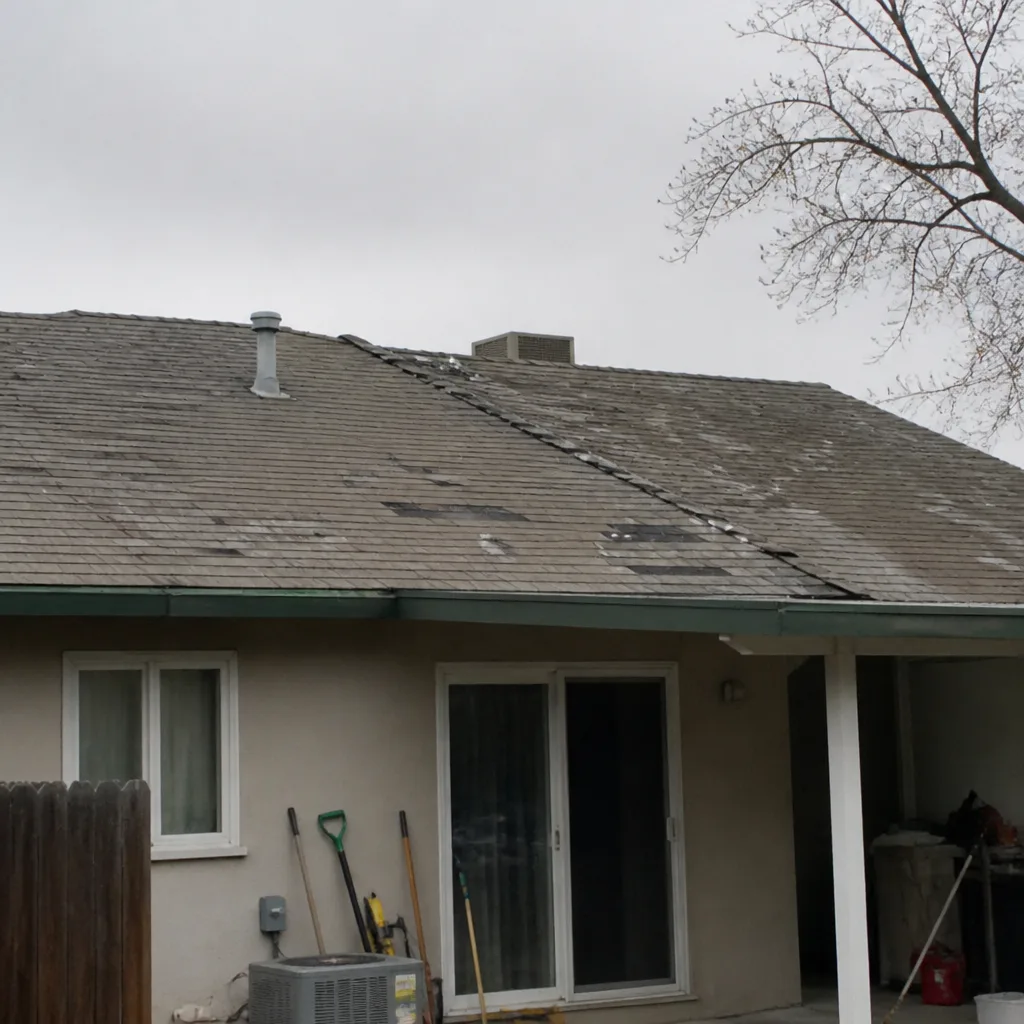 Before
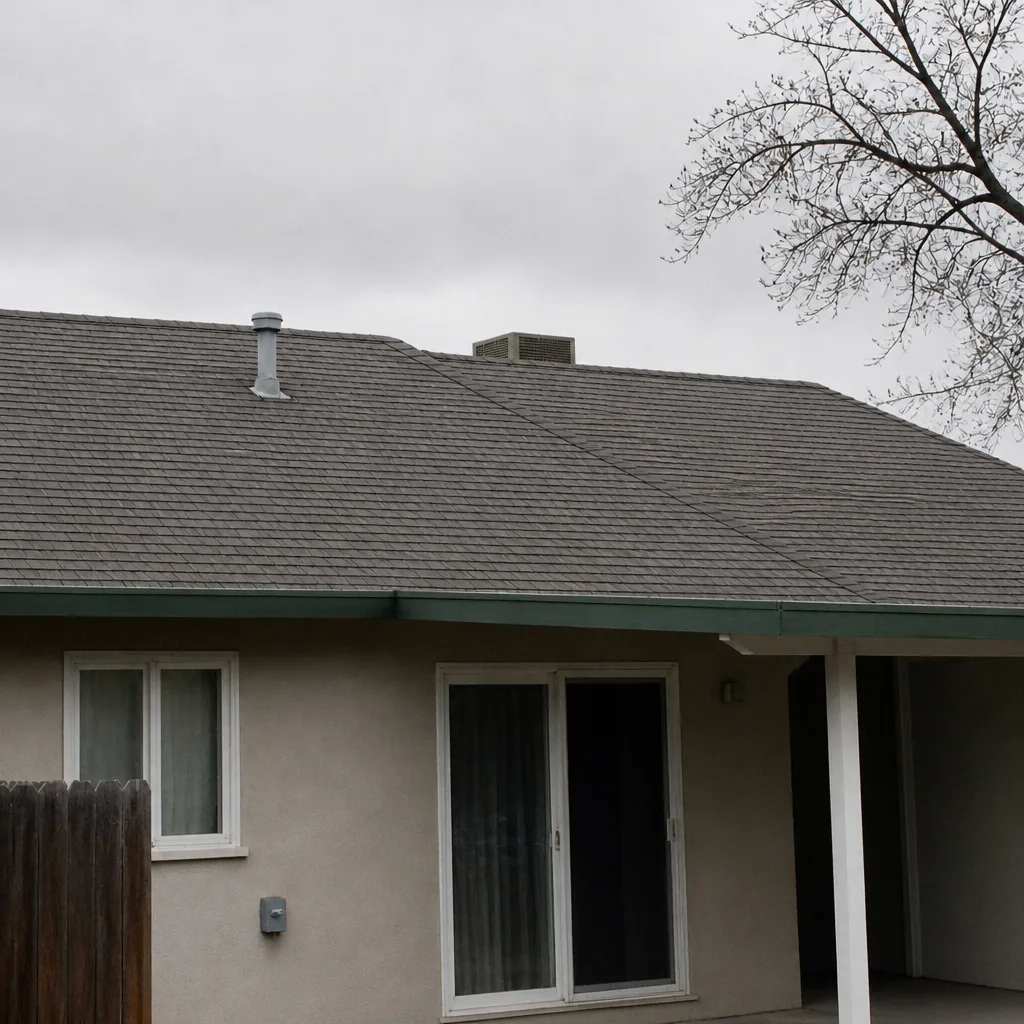 After
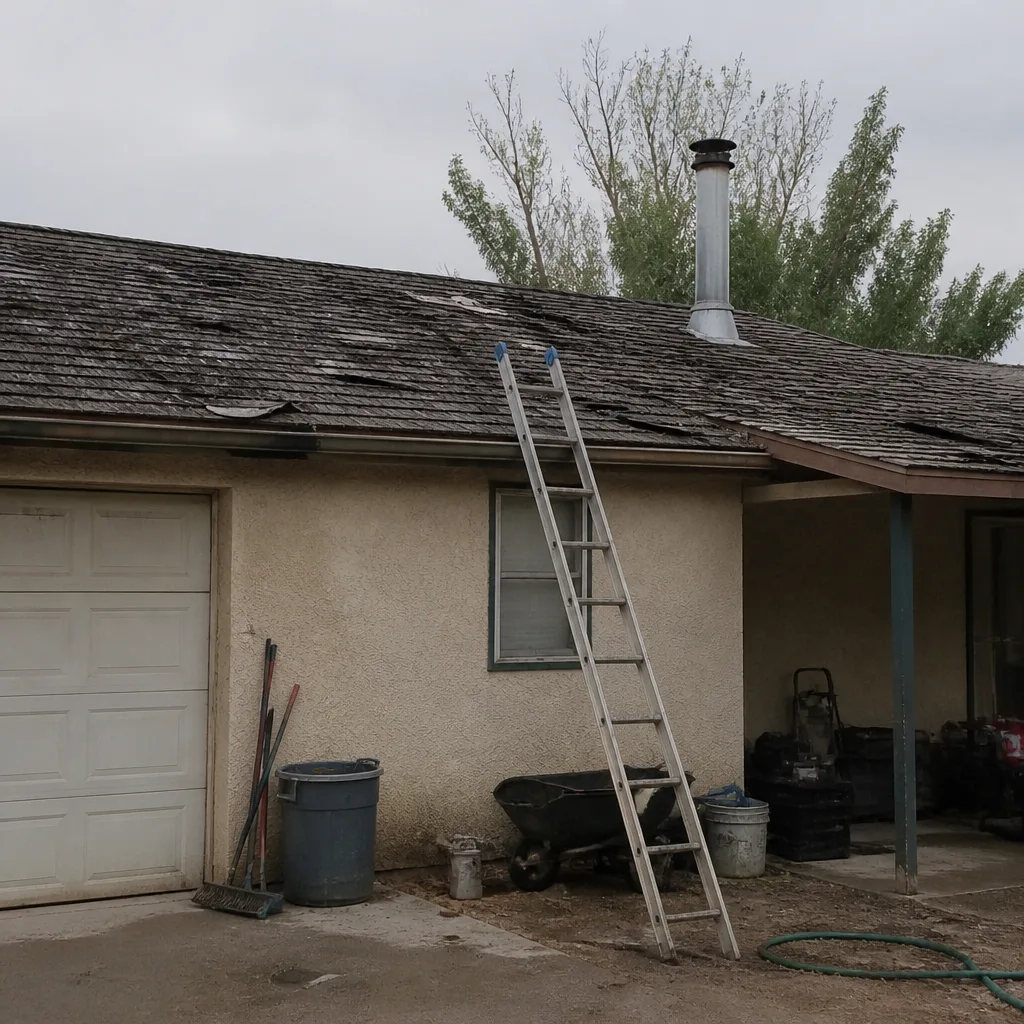 Before
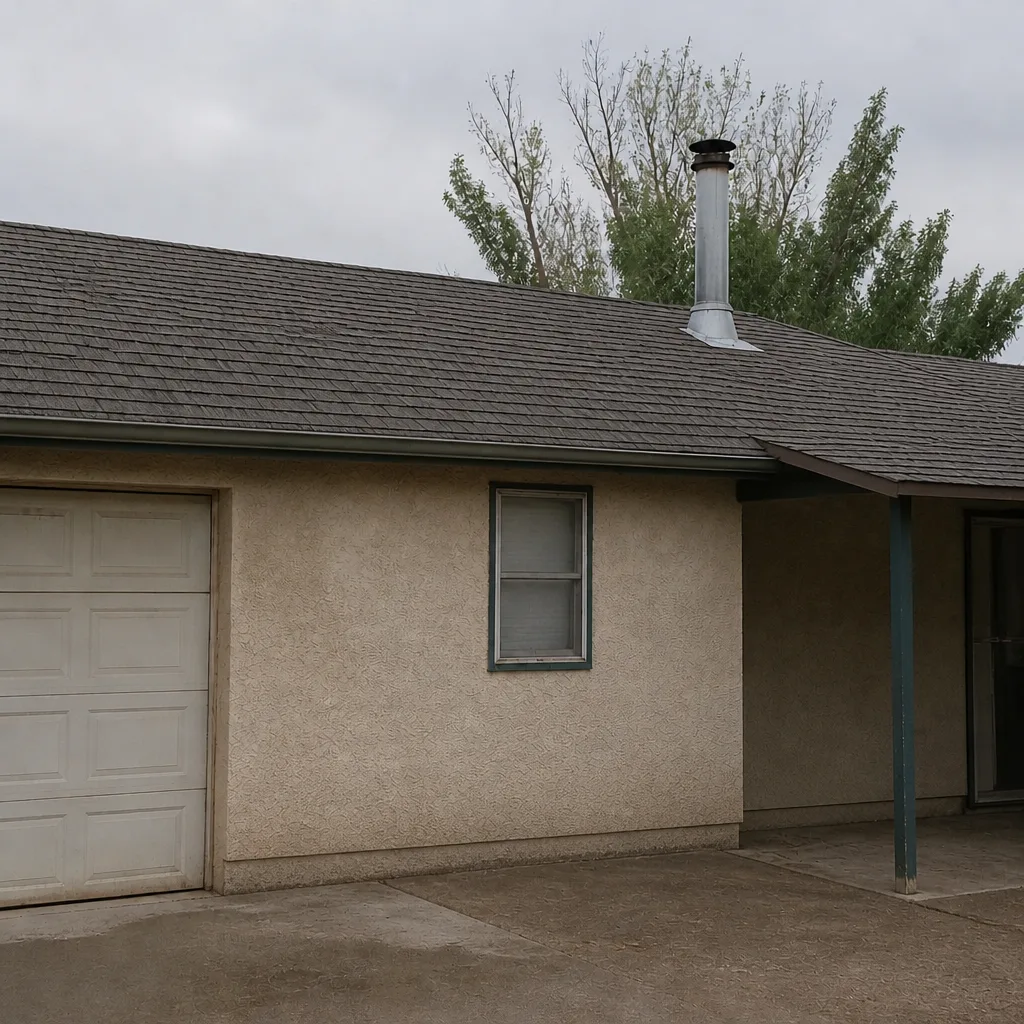 After
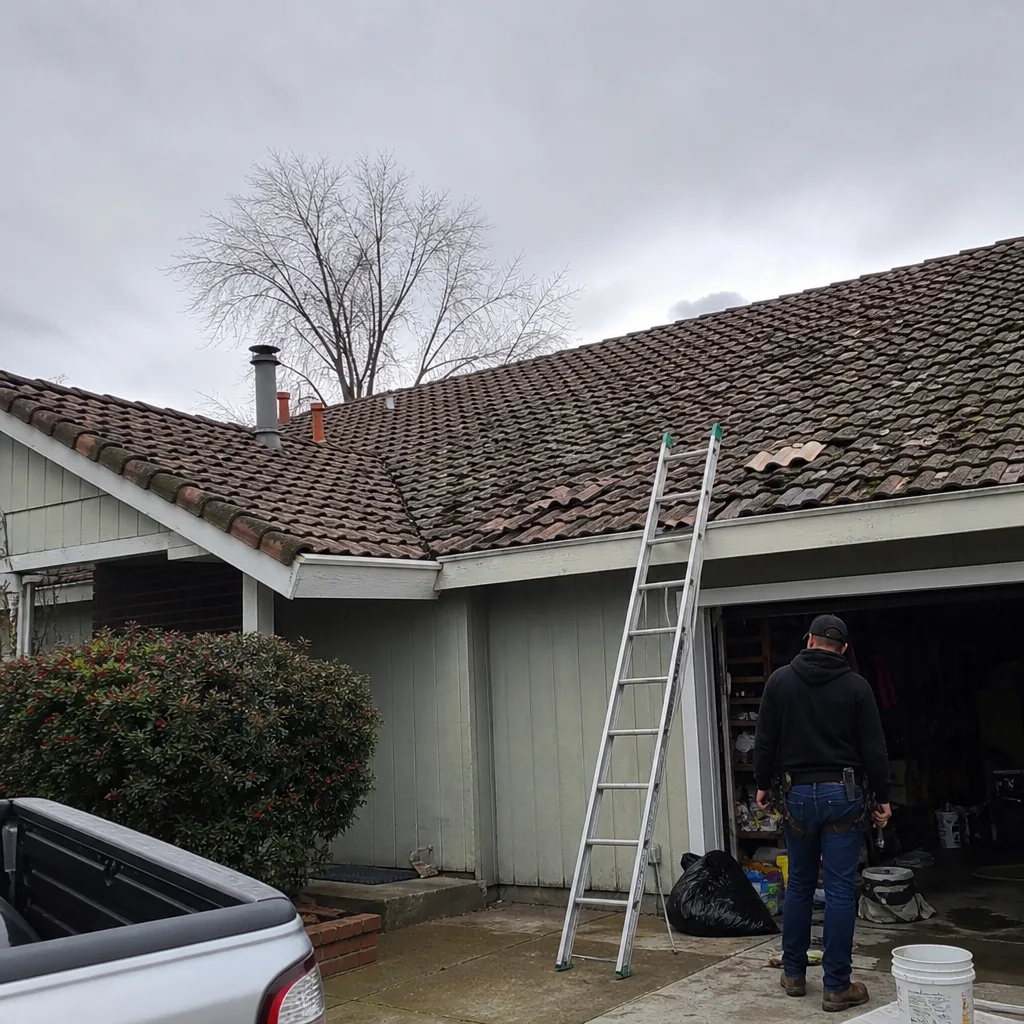 Before
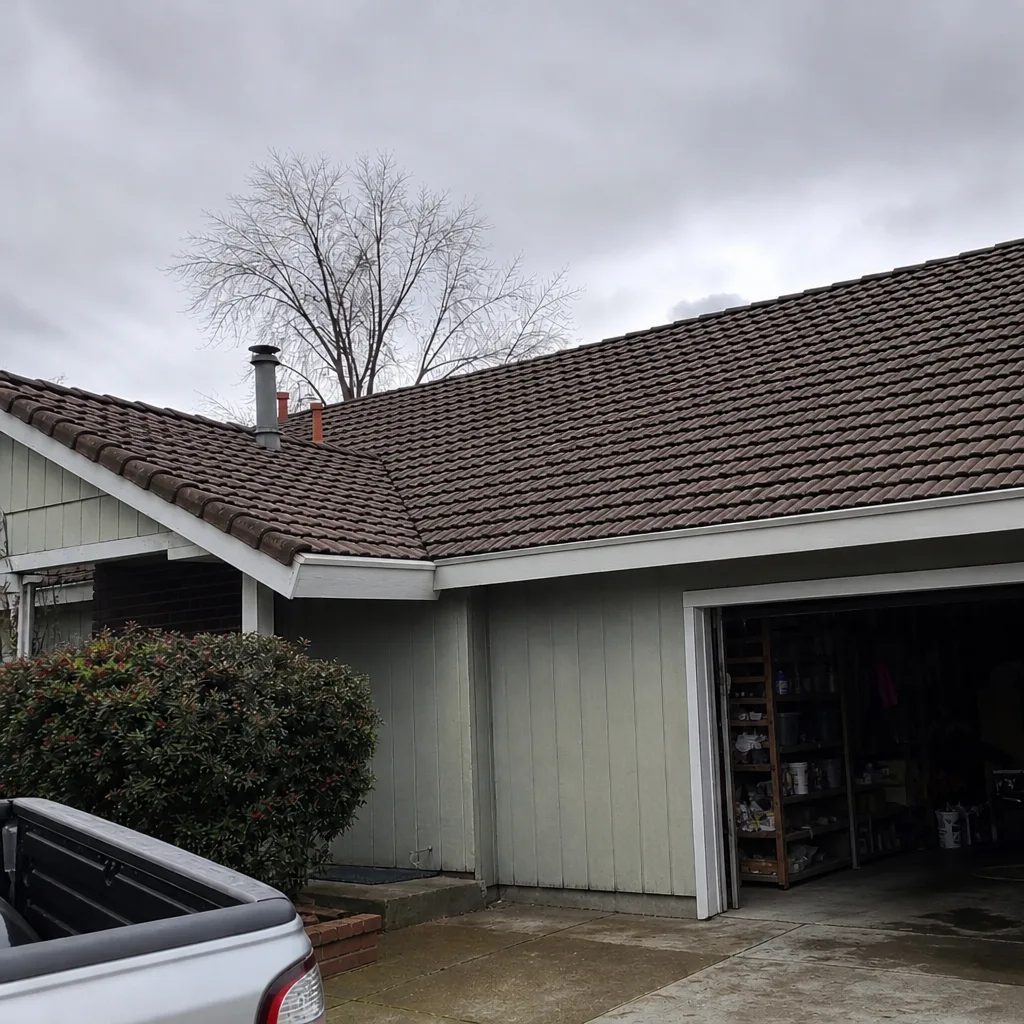 After
When to Call a Professional
Some roof situations call for a professional without delay. Call us for a same-day visit if a section of roof covering is missing or visibly lifted, if water is actively coming into the house, if you see sagging or a bowed roof line, if debris has struck the roof, or if a tarp needs installing on anything steep or high. Schedule an inspection if you’re not sure of the roof’s condition, if it’s been several years since anyone looked at it, or if you’re buying or selling a home in Whitney. And call if a contractor has knocked on your door with an urgent offer you’re not sure about – we’re happy to give you an honest second opinion with a written report.
Roofing Whitney offers free estimates in Whitney. Call (844) 320-5203. We answer 24/7. Fast dispatch from 7am to 7pm, Sunday through Friday. If you call outside dispatch hours, we’ll book you into the next opening.
Frequently Asked Questions
Make the interior safe, then document everything with dated photos before you touch anything, then call your insurer to open a claim and get a professional inspection. Temporary tarping comes next if the roof is actively leaking, and permanent repairs wait until you have a written inspection report and an estimate. Call (844) 320-5203 for an inspection and free estimate.
Take a full set from the ground on all four sides of the house, close-ups of ridge lines, valleys, penetrations, and flashing, plus photos of the attic underside if you can reach it safely. Date the photos, store them somewhere off your phone, and note any known pre-existing issues. If you’d rather not climb a ladder, a professional inspection can produce a written photo record for you.
Most homeowners policies cover sudden wind damage and typically exclude or limit damage that results from age or lack of maintenance. Whether your claim is covered depends on what the adjuster sees and how well you can document the roof’s condition before the storm. Get a written inspection report and call your insurer early, since many policies have reporting deadlines.
No. We price the job from a written estimate, and the written estimate sets the final price. Get the scope of work and the materials spelled out in writing before anyone starts, and don’t rely on a verbal number.
Most cities require a permit for roof replacement, and permit rules for repairs vary by jurisdiction, so ask your city’s building department what applies to your project. We handle the permitting as part of the work and don’t start without it.
Small repairs are often completed in a day, while larger repairs involving decking, flashing, or full slope replacement take longer. The honest answer depends on what the inspection finds, which is why we put the scope and timeline in the written estimate. Call (844) 320-5203 to schedule an inspection.
Get a heavy woven polyethylene tarp that overhangs the damaged area by at least several feet on every side, and ideally runs up and over the ridge so water can’t get under the top edge. A tarp exactly the size of the hole channels water right into it. For anything steep or high, have a professional install it.
The Bottom Line
Roofing emergencies in Whitney are rare, which is precisely why preparation pays off so well here. The homeowners who come through a wind event in good shape are the ones who documented their roof before the storm, knew the first-24-hours order, understood the difference between wind damage and age-related failure, and had an inspection report in hand. None of that requires a storm to start – it requires a quiet afternoon and a phone call. Build the plan now, when the weather is calm, and the next event becomes a manageable repair instead of a scramble. Roofing Whitney is here for the inspection, the repair, and the replacement, and we work with seven of the industry’s top manufacturers so your product choice fits your home. Call (844) 320-5203 for a free estimate.
Written by the team at Roofing Whitney.